As an Amazon Associate, we earn from qualifying purchases. Some links on this site are affiliate links at no extra cost to you. Our recommendations are based on thorough research and editorial judgment.


Detecting a Bad Cable: Symptoms, Tests, and Safe Disposal

Detecting a bad cable starts with identifying symptoms like intermittent power, visible damage, or overheating. Tests for issues include continuity checks with a multimeter and performance tests with various devices to confirm functionality. Visual inspection techniques focus on frayed wires, bent connectors, and burn marks. Safe disposal methods involve local electronic waste programs or manufacturer take-back initiatives to guarantee proper handling. To extend cable life, regular inspections and using high-quality cables are recommended. More insights follow.
Key Takeaways
- Look for symptoms like intermittent power, visible damage, overheating, and inefficient charging to identify potential cable issues.
- Perform visual inspections for frayed wires, burn marks, and connector integrity to spot immediate hazards.
- Use a multimeter for continuity tests to check for breaks; conduct performance tests with different devices for thorough evaluation.
- Dispose of faulty cables through electronic waste programs or retailer take-back programs to ensure safe and responsible disposal.
- Regularly maintain and inspect cables, choose high-quality options, and replace older cables every 5-10 years to prevent issues.
Symptoms of a Bad Cable

You may be interested


When evaluating cables for functionality, several signs can indicate that a cable is malfunctioning or potentially dangerous. Common symptoms include an intermittent power supply, where devices may work sporadically due to internal wiring issues. Visible damage, such as frayed wires, highlights wear and poses serious electrical hazards. Additionally, a power cord that sparks or produces smoke signifies severe problems like short circuits or poor insulation, requiring immediate disconnection. Overheating is another critical symptom, especially with high-wattage devices, suggesting low-quality insulation or faulty cabling. If a cable fails to charge devices efficiently, it may indicate internal damage; conducting continuity tests with different devices can provide clarity on the issue before considering replacement. To ensure safety, using UL certified surge protectors can help protect your devices from potential electrical issues caused by faulty cables.
Recommended Products

Ice-O-Matic - GEMD270A2 - 273 lb Pearl Ice Air Cooled Ice Maker with Water Dispenser

HIGH-CAPACITY COMMERCIAL DEHUMIDIFIER WITH PUMP: The Dri-Eaz LGR 2800i dehumidifier delivers exceptional water removal performance, extracting up to 30 gallons of moisture daily. Designed for industrial, commercial, and home use, it operates efficiently even in high-heat conditions, this portable dehumidifier is ideal for basements, garages, and large rooms

Motor: 5 HP 220V single-phase; Amps: 18; Arbor speed: 3600RPM; Arbor size: 1-Inch
Testing for Cable Issues

Evaluating cable issues involves a systematic approach to identify potential faults that could disrupt power supply or device functionality. Cable testing typically begins with a visual inspection for frayed wires or burn marks that indicate damage. Employing a multimeter allows one to check for continuity; the absence of continuity signals a break, necessitating further investigation. A performance test can be conducted using various devices to determine if the issue stems from faulty cables or individual components. If overheating occurs, testing under normal conditions is critical. For thorough cable testing, specialized cable testers serve as valuable diagnostic tools, identifying shorts, open circuits, and configuration errors, ensuring ideal signal integrity within the network infrastructure, regardless of environmental factors. Additionally, using high-quality cables like Monoprice and FosPower can prevent many common issues related to signal loss and interference.
Recommended Products

Versiv™ modular design supports copper certification, fiber optic loss, OTDR testing and fiber end-face inspection

Simplifies Pro optical power meter with single and Multimode light sources measures optical power and loss; Transmits 850/1300 nm Multimode wavelengths and 1310/ 1550 single mode wavelengths

Highly Accurate, Quick Responding: Measures AC/DC Voltage and Current, µA Current, Resistance, Temperature, Capacitance, Frequency, and dB/dBm
Visual Inspection Techniques

A thorough visual inspection of cables can uncover vital issues that might impair functionality or safety. Inspecting the outer sheath is essential; signs of fraying, cuts, or discoloration indicate potential damage signs that could affect cable performance. Additionally, the connectors should be examined for bent prongs and corrosion, as these can lead to connectivity problems. Check for continuity by looking for exposed wires or conductive materials that pose safety hazards. Burn marks or signs of overheating at plug points suggest prior overloading or short-circuiting issues. Finally, physical damage from pets or impacts must also be assessed, as these factors play a key role in determining the cable’s overall integrity and reliability for proper cable testing. Regularly inspecting cables for durability features can help prevent unexpected failures and ensure safe usage.
Recommended Products

🔥【All Functions of MS Ultra+EV Diagnostics Kit(1000+ Bucks), Upgrade of MS Ultra MS909 MS919 MS909EV Ultra Lite】Autel Ultra EV adds EVs diagnostics, offline battery pack diagnostics, and high voltage system testing to Ultra's already powerful diagnostic functions. Ultra EV integrates ECU programming, coding, Motor Truspeed Repair2.0, Topology 2.0, EVDiag Box, 5 in 1 VCMI (2000 bucks), Full Bidrectional 3000+ active tests, all system diagnostic, 40+ resets, lastest protocols and split screen, making the scan tool the most advanced diagnostic solution for electric vehicles. Ultra EV makes diagnostics for EVs such as Tes.la, BM.W, and V.W no longer a challenge.

[ 2026 Advanced MaxiSys Ultra EV: Autel Ultra + EV Diag KIT ] The MaxiSys Ultra EV is a state-of-the-art diagnostic tool tailored for modern vehicles, including electric, hybrid, gas, and diesel engines. It offers an extensive range of capabilities, including detailed analysis of electric and hybrid vehicle systems, expanded topology mapping, and comprehensive battery pack diagnostics. The Ultra EV allows for these tests to be performed either through the OBD port or directly using specialized cables and jumpers provided with the device.

Qualify Copper Cable to 10 Gb/s. Test Switch and Network Connectivity
Safe Disposal Methods for Faulty Cables

How should one handle the disposal of faulty cables to guarantee safety and environmental responsibility? Faulty cables contain harmful materials like lead and PVC, which can cause environmental contamination if not disposed of properly. Recycling through electronic waste programs is essential for safe disposal. Many local municipalities provide designated drop-off locations for such waste, simplifying the recycling process. Additionally, consumers should explore retailers or manufacturers that offer take-back programs for old electronics and cables. Before disposal, securely cut or remove plugs from cables to prevent safety hazards from accidental reuse. It is vital to adhere to local regulations and guidelines on electronic waste disposal, promoting sustainable practices while ensuring compliance with environmental laws. Proper disposal methods can help prevent issues such as environmental contamination and protect community health.
Preventive Measures for Cable Longevity

Ensuring the longevity of cables not only protects investments but also enhances safety and efficiency in electronic setups. Regular maintenance, including visual inspections, can help identify early signs of damage, like fraying or cuts, which can prevent costly problems. Using proper storage techniques, such as avoiding tight bends and protecting cables from pets and sharp objects, minimizes wear and tear. High-quality cables with robust insulation and connectors tailored for specific applications markedly reduce the risk of overheating issues. Additionally, cable testing helps in recognizing potential cable issues before they escalate. Implementing a proactive replacement schedule for older cables, typically every 5–10 years depending on usage, is essential in mitigating safety concerns and maintaining ideal performance under various environmental conditions. Choosing cables that are UL listed ensures compliance with safety standards, providing peace of mind during use.
Recommended Products
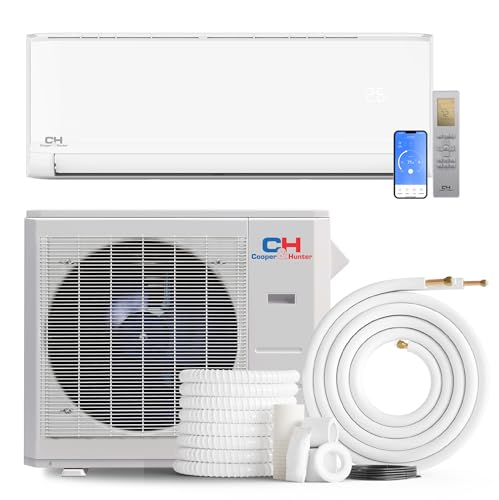
Cooper & Hunter Single Zone 24,000 BTU (2 Ton) Wall-Mount Ductless Mini Split Air Conditioner With Heat Pump, 230V, 18.9 SEER. Smart Kit included to control your system from anywhere using your smartphone and the app. UL Listed, AHRI Certified.

HEAVY-DUTY 6 GAUGE WIRE: Features 500 ft of 6/3 wire with ground, ideal for residential and commercial electrical installations requiring reliable power and durability.

Frequently Asked Questions
How to Test if a Cable Is Bad?
To test if a cable is bad, perform a visual inspection for insulation damage, conduct a continuity check for electrical resistance anomalies, and monitor for overheating issues that may indicate signal degradation or potential data loss.
What Are the Three Big Tests Performed When Testing a Cable?
When evaluating cable performance, three critical tests arise: continuity checks guarantee unbroken paths, resistance measurements reveal voltage drops, and signal quality evaluations detect degradation, electromagnetic interference, and connector integrity for peak data transmission efficacy.
How Do You Perform a Cable Test?
To perform a cable test, one conducts a visual inspection, employs continuity testing with a multimeter for electrical resistance, and assesses signal degradation, enabling effective fault diagnosis and ensuring ideal network performance or determining cable replacement needs.
What Is a Common Symptom of a Bad Network Cable?
Connection drops often parade through network issues, mocking the user’s patience. Troubleshooting tips highlight performance degradation, revealing installation quality flaws, environmental factors, and cable types as common repairs in the endless saga of signal interference.


