As an Amazon Associate, we earn from qualifying purchases. Some links on this site are affiliate links at no extra cost to you. Our recommendations are based on thorough research and editorial judgment.


Interoperability Challenges: USB‑C, Lightning, Legacy USB A

Interoperability challenges arise from the interchange between USB-C, Lightning, and legacy USB-A connectors. USB-C offers superior data speeds of up to 40 Gbps and up to 240W power delivery, surpassing USB-A’s 5 Gbps and Lightning’s 480 Mbps capabilities. Many users face compatibility issues, requiring adapters that may limit performance. The European Union’s mandate for USB-C adoption by 2026 aims to standardize charging solutions. Understanding these nuances can help consumers navigate their electronic devices more effectively.
Key Takeaways
- The transition from legacy USB-A and Micro-USB to USB-C creates substantial interoperability issues for consumers using multiple device types.
- USB-C offers significant advantages but requires adapters to work with older USB-A peripherals, limiting functionality and performance.
- Lightning connectors, while common in Apple’s ecosystem, have lower data transfer speeds and power delivery capabilities compared to USB-C.
- Inconsistent labeling of USB-C cables complicates consumer decision-making, leading to potential performance issues if improper cables are chosen.
- The EU’s push for universal USB-C adoption by 2026 aims to reduce electronic waste, but legacy devices create ongoing compatibility challenges.
Understanding USB-C and Its Advantages
You may be interested


USB-C stands out as a versatile and advanced connector, offering numerous advantages compared to previous USB standards. Its reversible design allows users to insert the connector without worrying about orientation, enhancing convenience considerably. With compatibility for data transfer speeds up to 40 Gbps through USB4 and Thunderbolt 3, USB-C provides faster data transfer than older types. Additionally, its power delivery capabilities reach up to 240W with USB Power Delivery 3.1, enabling efficient rapid charging across a wide array of modern devices, including laptops and smartphones. The 24-pin structure of USB-C accommodates advanced functionalities such as data transfer, power delivery, and video transmission, consolidating multiple roles into a single connector, thereby streamlining user experience and promoting consistency across technology. Furthermore, many modern USB-C car chargers leverage this technology to offer rapid charging capabilities, ensuring devices remain powered on the go.
The Legacy of USB-A: Strengths and Weaknesses

While many devices and peripherals still utilize USB-A connectors, the longevity of this technology showcases both its strengths and its limitations. USB-A offers backward compatibility with countless legacy peripherals, allowing connections to keyboards, mice, and flash drives. Supporting data transfer rates of up to 480 Mbps via USB 2.0 and 5 Gbps with USB 3.0, it remains useful for many existing devices. However, its one-directional design can hinder user experience, often leading to frustration during connection attempts. As manufacturers pivot towards USB-C, the need for adapters increases, given USB-A’s lack of advanced power delivery and the faster data rates provided by USB 3.1 and USB4. This situation highlights both the resilience and the challenges faced by USB-A technology. Furthermore, the high wattage capabilities of USB-C charging cables illustrate the advancements that USB technology continues to bring to modern devices.
The Role of Lightning Connectors in Today’s Devices

The Lightning connector, a compact and reversible interface developed by Apple, has played a significant role in the company’s device ecosystem since its introduction in 2012. Supporting data transfer rates of up to 480 Mbps, it matches USB 2.0 speeds but falls short of the faster charging capabilities of USB-C. While widely used in iPhones, iPads, and accessories, Lightning connectors face challenges related to compatibility with older devices and the increasing push towards universal charging solutions. The European Union’s directive for USB-C adoption by 2026 raises concerns about electronic waste and prompts Apple to reconsider its proprietary approach. This shift may influence future device designs, aligning them more closely with emerging standards and user preferences. Furthermore, the move towards fast charging capabilities is essential for accommodating the increasing power demands of modern devices.
Recommended Products

STATIK 360 Globright Pro 3ft Blue & GaN Charger 100W - We combined our STATIK 360 3ft Charger with one of its top selling accessory so you get the most convenience and maximum functionality.

Product 1: the belkin difference: pioneer in technology and innovation for over 35 years
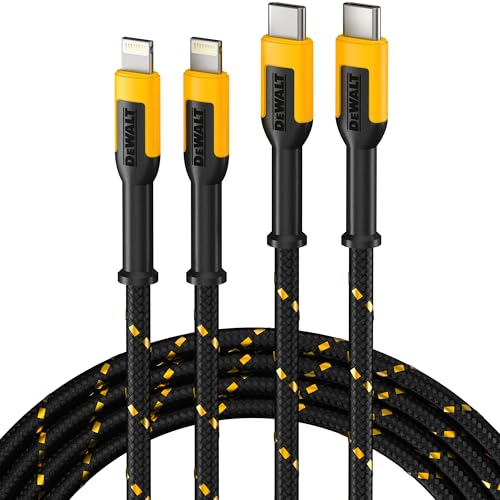
Fast Charging with USB-C Power Delivery – Supports high-speed charging when used with a PD adapter, powering up your iPhone faster than a standard iphone lightning cable
Compatibility Issues Between USB-C and Legacy Connections

Compatibility issues pose a significant challenge as consumers navigate the change from legacy USB-A and Micro-USB connections to the newer USB-C standard. USB-C connectors, with their 24-pin design, offer data transfer rates exceeding 5 Gbps and support higher power delivery, which legacy USB-A cannot match. As millions of users still rely on USB-A peripherals, a shift necessitates purchasing various adapters for compatibility. However, many USB-C to USB-A adapters only facilitate legacy transfer speeds, undermining USB-C’s advantages. Additionally, European Union regulations set USB-C as the standard charging port for mobile devices by 2026, creating urgency around this change while highlighting ongoing compatibility issues with existing USB-A devices, complicating users’ experiences during this technology evolution. Furthermore, ensuring heavy-duty construction in adapters can mitigate risks associated with frequent use and enhance overall durability.
Recommended Products

Device Ports: (1) Host Port - Thunderbolt 3 (USB-C) up to 40 Gb/s (5000 MB/s), (1) Thunderbolt 3 (USB-C) Port, (2) USB 3.2 Gen 2 Type-A Ports up to 10Gb/s (1250MB/s) - USB 2.0/3.0 backwards compatible, (1) HDMI Port, (1) 2.5 Gigabit Ethernet (2.5GbE) RJ-45 Port, (1) SD 4.0/UHS-II Media Slot; Host Port Requirements: Thunderbolt (USB-C) port (backward compatible with Thunderbolt 2/Thunderbolt)

【High-Fidelity Sound Quality】With 48,000 samples per second, listen to every note with this small USB Type-C to 3.5mm Audio Headphone Adapter. Featuring a Smart DAC Chip, this precision captures deep bass, crisp highs, and a balanced midrange, enriching your music experience.[NOTE: The volume adjustment function of Apple EarPods headphones is not supported !!!]

【More function】USB C to 3.5mm Audio Adapter can connect USB C devices that don't have a 3.5mm audio jack to Earphone, headphone, speaker,Car Stereo and other audio devices.This portable USB c to 3.5mm audio adapter enables you to not only listen to music and take calls with headphones,but also supports calling, volume control, pause, or playback functions via the function keys on the headphones.
The Impact of Adapter Solutions on User Experience

How do adapter solutions impact the user experience when connecting newer USB-C devices to older peripherals? Adapter solutions, such as USB-C to USB-A or Lightning adapters, allow for connection, but often restrict data transfer speeds to legacy standards, limiting performance to 5 Gbps at best. This necessity can complicate the user experience, creating confusion when USB-C devices do not connect effortlessly with older ports. Moreover, the quality of adapters greatly affects user satisfaction; poor-quality options may lead to issues like slow charging or incomplete data transfers. Additionally, varying availability and compatibility of adapters can challenge users in selecting the right solution, making informed purchases essential. Ultimately, while adapters aid interoperability, they introduce friction in daily technology use. Furthermore, the charging speed specifications of the connected devices can significantly influence the effectiveness of these adapters.
Recommended Products
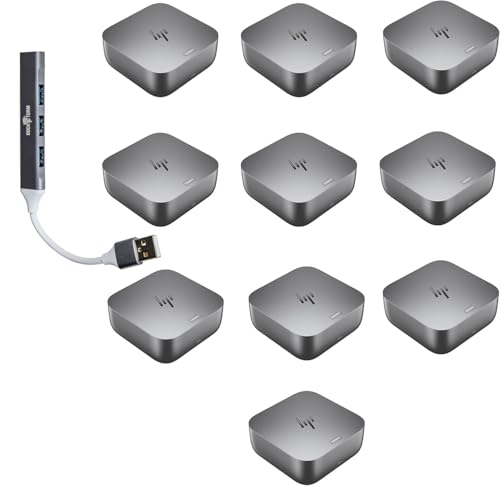
Power Connections – HP Quick Connect wakes your devices before you even take a seat. Stay in your flow all day with up to 180W of power delivery and 40 Gbps of data transfer speeds via Thunderbolt 4 technology and all the ports you need to connect your setup.

【Inte Processor】 Intel Core Ultra 7 155U, 12C (2P + 8E + 2LPE) / 14T, Max Turbo up to 4.8GHz, 12MB. This 1st Gen Core Ultra processor has come to replace 13th generation Core processors; it has 12 cores (2 + 8 + 2) and 14 threads at its disposal. Its Performance cores, of which there are 2, are HT-enabled and run at up to 4.8 GHz while its Efficient cores, of which there are 10 (8 main cores plus 2 extra ones found in the Low Power Island) run at up to 3.8 GHz.

Powerful 13th Generation Intel Core i7-1370P 14-Core (Base Clock 2.9GHz, Up to 5.2 GHz with Intel Turbo Boost Technology, 24 MB Intel Smart cache, 14 cores, 6 Performance-Cores, 8 Efficient-Cores, 20 threads )
The Need for Quality Cables and Adapters
While many consumers may overlook the importance of quality cables and adapters, selecting the right products can greatly enhance the performance of USB-C devices. USB-C cables vary considerably in data transfer capabilities and power delivery options; inferior products may limit speeds to 5 Gbps instead of utilizing USB4’s maximum of 40 Gbps. High-quality cables typically include a small chip that communicates their capabilities, ensuring top performance. Users should prioritize sourcing from reliable manufacturers to enhance charging efficiency and data transfer reliability. Clear labeling guidelines from USB-IF aim to assist consumers in identifying the right standards, but inconsistent implementation makes it challenging. Therefore, investing in high-quality USB-C cables and adapters is key for effective device operation and longevity. Additionally, fast charging capabilities in quality cables can significantly reduce charging times for modern devices.
The European Union’s Push for Standardization
As the European Union (EU) takes steps to standardize charging solutions, the mandated adoption of USB-C as the universal charging port for mobile devices by 2026 marks a significant alteration in consumer electronics. This regulation aims to simplify interoperability, allowing consumers across member states to use one type of charger for various devices. The change is expected to save users around €2.5 billion annually by eliminating the need for multiple chargers, which also contributes to reducing electronic waste. Apple’s move to integrate USB-C into its iPhone 15 series reflects this standardization trend. Overall, EU regulations not only promote consumer convenience but also support sustainability goals by minimizing obsolete chargers, enhancing an eco-friendly electronics landscape. Additionally, the high data transfer speeds of USB-C cables will further improve user experience across devices.
Future Innovations in USB Technology
Future advancements in USB technology represent a significant leap in connectivity and ease of use. The emergence of USB-C will support data transfer rates up to 40 Gbps with USB4 and Thunderbolt 4, enhancing connections among devices. Power Delivery 3.1 is also remarkable; it can deliver up to 240W, facilitating high-speed charging for various gadgets, including laptops. The European Union’s mandate for universal USB-C charging ports by 2026 is fostering industry-wide standardization. Future innovations may present improved USB-C cables with enhanced power management and data transfer capabilities, addressing compatibility issues with older USB standards. Collaborative efforts among manufacturers and regulatory bodies aim to guarantee consistent performance and usability across a diverse range of devices, simplifying user experiences. As the demand for fast charging capabilities continues to grow, manufacturers are focusing on developing chargers that can efficiently power multiple devices simultaneously.
Consumer Considerations in a Fragmented Landscape
Maneuvering the current landscape of USB connectivity presents distinct challenges for consumers, particularly due to the rapid shift towards USB-C. As millions of devices still use legacy USB-A, compatibility issues arise, often requiring adapters for seamless connections. Consumers must navigate various USB-C types, each offering different power delivery specifications and data transfer capabilities, such as USB 3.2 versus Thunderbolt 3. This complexity emphasizes the need for careful consideration when selecting cables, as incorrect choices can lead to unsatisfactory performance. In addition, the lack of consistent labeling across manufacturers increases consumer confusion, making it difficult to identify cables that meet charging and data transfer needs. Adapting to this fragmented environment is essential to maximize device functionality. Additionally, understanding fast charging capabilities is crucial to ensure that devices like Kindle operate efficiently and effectively.
Navigating the Evolving USB Ecosystem
The USB ecosystem is undergoing significant changes as USB-C becomes the predominant connector standard, primarily due to its superior capabilities. With data transfer speeds of up to 40 Gbps and power delivery reaching 240W through USB Power Delivery 3.1, USB-C offers advantages over legacy USB-A connections. However, existing devices reliant on USB-A and Micro-USB connections present interoperability challenges. Many users must navigate a mixture of old and new standards, often resorting to adapters that can hinder performance. Additionally, the European Union’s mandate for USB-C by 2026 aims to promote widespread adoption and reduce electronic waste. Clearer labeling is necessary, as not all USB-C cables support the same data rates or power delivery capacities, underscoring the importance of consumer awareness. Furthermore, understanding the charging requirements of USB-C cables is essential to maximize the efficiency of devices like the iPad Pro.
Frequently Asked Questions
Will USB-C Replace Lightning and USB-A Completely in the Future?
USB-C is likely to dominate future technology, driven by adoption trends and regulatory influences. However, Lightning’s potential and USB-A’s legacy may persist, shaped by consumer preferences, manufacturer strategies, and ongoing technology evolution predictions.
Are All USB-C Cables and Adapters Compatible With Every Device?
Not all USB-C cables and adapters guarantee compatibility across devices, as differing generations introduce potential device recognition issues. Factors like cable quality impact charging port limitations and data transfer integrity, highlighting adapter versatility challenges.
What Are the Risks of Using Low-Quality Adapters for USB Connections?
Using low-quality adapters poses risks such as reduced adapter reliability, compromised voltage compatibility, and impaired data transfer integrity. Additionally, overheating risks, warranty concerns, durability issues, and performance limitations may greatly affect device functionality and lifespan.
How Do Data Transfer Speeds Vary Between Different USB Standards?
How essential is understanding USB standards for data transfer? Variations in speed comparison reveal significant differences in performance evaluation, impacting device compatibility. Technical specifications indicate future developments may further enhance these disparities in data transfer rates.
Can I Charge My Device While Transferring Data Using USB-C?
Yes, charging while transferring data using USB-C is possible. USB-C power delivery enhances data transfer efficiency, though device compatibility issues and cable quality impact performance. Monitoring temperature during charging provides simultaneous use benefits without overheating concerns.


