As an Amazon Associate, we earn from qualifying purchases. Some links on this site are affiliate links at no extra cost to you. Our recommendations are based on thorough research and editorial judgment.


Data Lines, Power Lines, and Shielding Inside Charging Cables

Charging cables contain data lines that handle communication between devices and power lines responsible for delivering electrical current. Effective shielding is essential as it minimizes electromagnetic and radio frequency interference, preserving signal integrity. Shielding materials, such as metal foil or braided wire, protect the internal wires from disruption. This combination guarantees stable power delivery and enhances overall performance, especially in noisy environments. Further exploration reveals more about cable design advancements and best practices for selection.
Key Takeaways
- Data lines relay communication for charging specifications and data transfer rates, ensuring efficient power negotiations.
- Power lines deliver electrical current for charging but can generate noise that interferes with data line integrity.
- Shielding employs conductive layers to protect internal wires from electromagnetic and radio frequency interference, enhancing overall cable performance.
- Effective cable management helps maintain distance between power and data lines, which is crucial for high-speed data transmission.
- High-quality shielding and insulation materials enhance durability, signal integrity, and power delivery in charging cables.
Understanding the Importance of Shielding in Charging Cables
You may be interested


When evaluating charging cables, one essential aspect that often goes unnoticed is the importance of shielding. Shielding is significant for both data cables and power cables as it prevents electromagnetic interference (EMI) and radio frequency interference (RFI), ensuring stable communication. Typically made from braided mesh or metal foil, shielding reflects electrical noise away from inner conductors, thereby maintaining signal integrity. In environments with high electrical noise, such as industrial settings or data centers, effective shielding enhances performance and mitigates potential disruptions. While shielding does not influence charging speed, it plays an important role in consistent power delivery by minimizing fluctuations from external sources. Quality shielding safeguards against unwanted signal degradation, enabling reliable data transfers between connected devices. Furthermore, cables constructed with military-grade nylon provide enhanced durability and resistance to wear, which is crucial for maintaining performance over time.
The Role of Data Lines in Power Delivery

Data lines play an essential role in power delivery, as they are responsible for the communication between devices regarding charging specifications and data transfer rates. In USB cables, these data lines, typically represented by the green and white wires, facilitate negotiations for charging protocols like USB Power Delivery, which can supply up to 100W of power. When a device connects, the data lines transmit critical information about power requirements, influencing the power delivered through the power lines. High-quality data lines guarantee reliable communication, allowing devices to receive the appropriate voltage and amperage for efficient charging. Additionally, the presence of a shielding layer protects these data lines from interference, which can otherwise lead to incorrect power delivery, posing risks to both the charger and the device. Properly designed Variable Frequency Drives can enhance energy efficiency in related applications, further improving overall power delivery systems.
How Power Lines Affect Data Transmission

The interaction between power lines and data transmission plays a significant role in determining the reliability and quality of information transfer in cables. Power lines generate stronger electromagnetic fields than data lines, which can induce noise and degrade data signals. When power cables and data cables are bundled together, electromagnetic induction increases the risk of interference, negatively affecting data integrity. Maintaining a minimum distance between power and data lines is essential, as closer arrangements lead to noticeable degradation, especially with high-speed data transmission. Effective cable management, like running power and data cables in separate trays, can mitigate interference. Shielding, such as Faraday shielding, is important for protecting data lines from the external electromagnetic interference created by nearby power lines, ensuring ideal performance. Additionally, implementing energy efficiency measures can further enhance data integrity by minimizing power line interference.
Recommended Products

Premium CAT 8 Shielded (S/FTP), 22AWG solid bare copper, CMP Plenum Bare Copper cable is used for installation in plenum areas such as a space provided for air circulation for heating, ventilation, and air-conditioning which is typically the space between the ceiling. Plenum cable is jacketed with a fire retardant plastic jacket which releases less toxic fumes.

✅ HIGH-SHIELDING FARADAY FABRIC - TitanRF Faraday Fabric is trusted and used worldwide by military and law enforcement forensics investigators to block all wireless signals. Additional applications include making faraday bags, RF enclosures, signalproof rooms or tents, EMP protection, personal data and identity protection, signal isolation in secure facilities, RF isolation for hardware and software testing, harmful EMF radiation reduction, digital privacy, and more.

Premium CAT 8 Shielded (S/FTP), 22AWG solid bare copper, CMR Riser for in wall installations, between the floors in non plenum areas and can replace general use (cm rated) ethernet cables
Mechanics of Shielding in Charging Cables

Shielding in charging cables operates through a carefully designed conductive layer that typically comprises metal foil or braided wire. This layer protects the internal wires from electromagnetic interference (EMI) and radio frequency interference (RFI), which can disrupt signal integrity during data transmission. Reliable shielding is essential in environments with high interference, ensuring consistent power delivery by directing unwanted electrical noise away from critical conductors. While shielding does not directly affect charging speed, it preserves the integrity of both power and data pathways, especially in USB cables that utilize differential pairs for signaling. High-quality charging cables may feature multiple shielding layers, enhancing durability and performance, making them better suited for high-frequency data transfers and demanding applications. Additionally, cables like INIU’s 240W demonstrate how effective shielding can support high-demand devices without compromising on power delivery.
Recommended Products

40-input channel, 25-bus, 3U rack-mountable digital mixer for live and installed sound application

【RSO-73 Intelligent OTDR measurement】OTDR fiber optical tester provides wavelength of 1310/1550nm and dynamic range of 34/32dB,the max test distance 150km.For auto range mode:can one click start test,only select the wavelength and test time,quickly perform the test.For parameters setting mode:Testing after setting parameters distance scope,pulse width,duration of measurement etc.Curvest/ map are displayed simultaneously.Pls note:This mode only can detect optical signal,doesn't support live test.
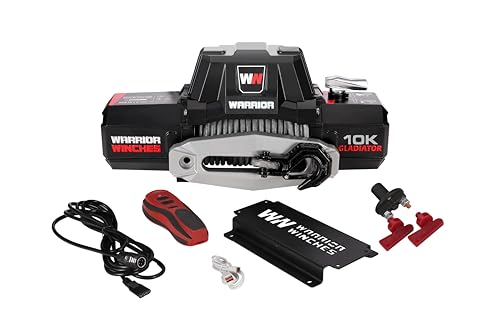
Effortless Control Anywhere: Our 2in1 wired/wireless rechargeable remote gives you the flexibility to operate the winch with ease, whether you're right by your vehicle or at a distance. Plus, conveniently recharge the remote in your vehicle using the included USB charging cable, so it's always ready when you need it.
Types of Shielding Materials Used in Cables

While various shielding materials are utilized in charging cables, each type offers distinct advantages tailored to specific applications. Braided wires provide flexibility and durability, making them suitable for cables needing frequent movement or bending. Metal foils, often made from aluminum, effectively shield against higher frequency ranges, minimizing signal loss in data cables. Spiral wire protection combines flexibility with the ability to reduce electromagnetic interference (EMI) and radio frequency interference (RFI), making it ideal for mechanically stressed environments. Combining different shielding materials, such as foil and braid, enhances overall effectiveness, maximizing protection against external interference. Each shielding type is designed to meet specific needs, reflecting a thoughtful approach to cable design and performance optimization in varied applications. Additionally, the use of high-grade materials in cable construction ensures reliability and safety during charging and data transfer processes.
Recommended Products

TOP-QUALITY GEAR - The HME Trail Camera 12V/Solar Auxiliary Power Pack is a versatile and valuable accessory designed to enhance the performance and longevity of your trail cameras, especially in remote or extended-use settings

Complete Cable Kit: Includes five essential USB cable types—USB-A to USB-A (angle) 28.5in , USB-C 8.25in, Micro USB 8.25in, Lightning-compatible to USB 8.25in, and USB-A extension 18.25in—for maximum compatibility across modern and legacy devices.

8K HDMI 2.1 Cable: JSAUX HDMI Cables supports 48Gbps high bandwidth, Mirror & Extend mode, Ultra HD 8K(4320p), Ultra HD 4K(2160p), QHD 2K(1440P), FHD 1080p, HD 720P, HDCP 2.2 & 2.3, 48-Bit Deep Color HDR, Audio Return Channel(ARC), Enhanced Audio Return Channel (eARC), Dynamic HDR, Auto Low Latency Mode (ALLM), Variable Refresh Rate (VRR), Quick Media Switching (QMS), Quick Frame Transport (QFT), HDR10, CEC, DTS:X, Dolby Atmos,Dolby Vision, Dolby TrueHD 7.1 audio, 3D, Ethernet.
Benefits of Using Shielded Charging Cables
When considering charging cables, it becomes evident that using shielded options can greatly enhance performance. Shielded cables are designed with an added protective layer that markedly reduces electromagnetic interference, ensuring stable power delivery. This shielding, often composed of braided wires or metal foils, bolsters signal integrity by reflecting unwanted electrical noise away from sensitive inner wires. As a result, users experience faster data transmission with minimized risk of data corruption, especially in high-noise environments like data centers. Additionally, shielded cables typically offer greater durability and longevity compared to unshielded alternatives, as the protective layers shield internal conductors from wear and environmental damage. Overall, the benefits of shielded cables are clear, making them a preferred choice for reliable charging solutions. Moreover, many retractable cable reels designed for outdoor use enhance the convenience of managing these cables in various settings.
Recommended Products

Reference Quality: Tuned for the studio but exciting enough for everyday use with surprisingly deep bass and little fatigue over long listening sessions - the best of both worlds | Plug & Play: With plenty of connectivity options and magnetically shielded drivers, ORA feels just as at home paired with a battle station as it does with a console from the golden age of gaming

【Powerful Function】NanoVNA-F V3 nano vna antenna analyzer is suitable for antenna testing of MF/HF/VHF/UHF/SHF bands, such as shortwave antennas, ISM band antennas, WiFi antennas, Bluetooth antennas, GPS antennas, etc. It can also be used to measure filters, amplifiers, attenuators, cables, power dividers, couplers, duplexers and other RF components. NanoVNA-F V3 supports a variety of display formats: Log Mag, Linear Mag, Phase, Smith R+jX, Smith R+L/C, VSWR, Polar, Group delay, Resistance, Reactance, etc. In addition, NanoVNA-F V3 supports TDR function which is useful for cable lengths measurement

AFFORDABLE 1D/2D SCANNER: An affordable 1D/2D imager that doesn't compromise performance or features for price. Capture barcodes from mobile devices, PDF417, 1D and 2D Paper barcodes on items for sale, coupons, loyalty cards and more
Electrical Noise and Its Impact on Performance
Electrical noise poses a significant challenge in the performance of charging cables, particularly in environments with fluctuating currents and voltages. This noise, caused by fluctuations in current and voltage, can seriously impact signal integrity. In high electrical noise settings, such as industrial areas, the use of shielded cables becomes essential to mitigate interference. Shielding acts as a protective barrier, reflecting electrical noise away from power and data lines, thereby enhancing data transmission reliability. The presence of noise can corrupt data and slow charging speeds, which underlines the need for high-quality shielding. Additionally, maintaining separation between power and data lines, alongside effective shielding, is critical for reducing electromagnetic interference and ensuring peak performance in charging cables. The use of UV-resistant cables can also enhance durability in outdoor installations, further supporting reliable performance.
Shielding Versus Insulation: Key Differences
Understanding the differences between shielding and insulation is essential for selecting the right charging cable. Shielding consists of a conductive layer that protects against electromagnetic interference (EMI) and preserves signal integrity. Typically made from materials like braided metal or foil, it reflects electrical noise away from conductors. In contrast, insulation is a non-conductive material, such as PVC or rubber, which serves as a protective barrier to prevent short circuits and physical damage. While shielding directly counters interference to guarantee reliable data transmission, insulation safely contains electrical current, preventing contact with conductive surfaces. Shielded cables often utilize both features, positioning shielding between insulation and conductors to maximize protection and electrical safety while maintaining performance in varying environments. Additionally, the choice of durable materials can significantly enhance the longevity and effectiveness of cable management solutions.
Best Practices for Selecting Shielded Cables
How does one effectively select shielded cables to meet specific needs? First, consider the specific application and environment; industrial settings often necessitate robust shielding types, such as double shielding, to combat electromagnetic interference. Grounding is vital for optimizing performance and minimizing noise, which preserves data integrity and equipment safety. Evaluate the materials used for shielding; metallic foils typically perform better than braided wire in high-frequency applications, though weight and flexibility may influence the decision. Compatibility of connectors with the selected shielding is essential, as improper connections can undermine the shielding benefits. Finally, assess the length and gauge of the cable; longer runs require thicker wire to reduce resistance while ensuring consistent power delivery and signal clarity.
Recommended Products

RG-400/U coax, 50 Ω ± 2 Ω impedance & 29.4 pF/ft capacitance
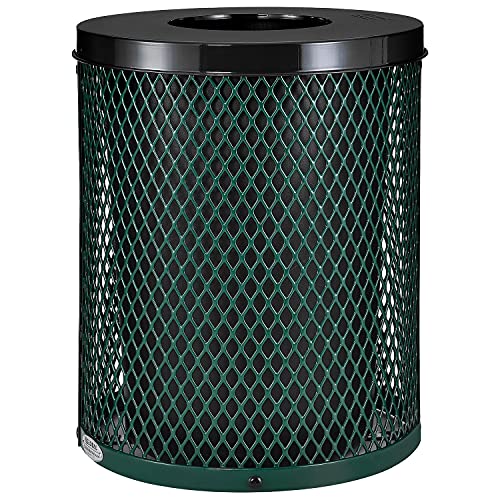
Ideal for schools, public parks, outdoor office areas and more

No Monthly Plan TOP QUALITY--Simply better---Unique Design on the RJ-45 PIN arrangement--see picture--to ensure top performance. *ONLY from R.J. Enterprises--TRULY HIGH DENSITY--Cut 50% space--48 Port Patch Panel in ONE U --Gain more space; Patented Solid Die Cast Box cut alien cross talk. * Superior Design and Manufacturing
Common Questions About Shielded Charging Cables
Many consumers and professionals alike seek to understand the role of shielded charging cables in their applications. These cables include additional layers, known as cable shielding, that effectively minimize electromagnetic interference (EMI). This shielding guarantees clean data transmission and stable power delivery, making them critical for environments with high electrical noise, such as industrial settings. Grounding is also significant; it enhances the effectiveness of the shielding, resulting in better performance during both charging and data communication. Shielding materials vary; options like braided wire, spiral wire, and metal foils each provide different levels of EMI protection. Ultimately, high-quality shielded charging cables are indispensable for preventing signal degradation and maintaining reliable connections in sensitive applications. Additionally, features such as surge protection can further enhance the reliability of power delivery in these cables.
Future Considerations for Cable Design and Technology
As the demand for efficient and reliable charging solutions continues to rise, future considerations for cable design and technology are becoming increasingly important. High-quality shielding materials will likely play a key role in enhancing resistance to electromagnetic interference, which is essential for data transfer integrity. The integration of smart technology may allow cables to monitor current flow and temperature, thereby preventing overheating and optimizing power delivery. As USB standards evolve, future cables may adopt higher wire gauges that support faster charging rates. Additionally, the development of flexible, durable materials for cable sheaths could reduce wear while maintaining effective shielding. Hybrid cables that seamlessly combine various functionalities may also emerge, addressing the growing need for versatile charging solutions. For example, cables that support fast charging up to 100W will become more prevalent, providing users with the speed and efficiency they require.
Frequently Asked Questions
How to Shield Data Cables From Interference?
To shield data cables from interference, one can employ various cable shielding techniques, such as twisted pair cabling, ferrite beads, and shielded connectors, while ensuring effective grounding methods to combat electromagnetic interference, preserving signal integrity.
Do USB Cables Need to Be Shielded?
USB cables need shielding to combat electromagnetic interference effectively, enhancing data signal integrity. Superior cable construction materials and results from shielding effectiveness studies underline its critical role in USB performance comparison across various devices and environments.
Can Data and Power Go in the Same Conduit?
Data and power should not intertwine in the same conduit; their entangled dance poses signal integrity challenges. Adhering to cable conduit regulations and employing interference mitigation techniques guarantees ideal electromagnetic compatibility and supports innovative hybrid cable designs.
How Does the Shielding in Cables Improve Data Transmission?
Shielding in cables markedly enhances data transmission by increasing shield effectiveness, employing various shielding materials to combat electromagnetic interference. This process reduces signal degradation and preserves data integrity across different cable types, ensuring reliable performance.


