As an Amazon Associate, we earn from qualifying purchases. Some links on this site are affiliate links at no extra cost to you. Our recommendations are based on thorough research and editorial judgment.


When to Use Isolation Transformers in Home Labs

Isolation transformers should be used in home labs to enhance electrical safety, reduce noise, and protect sensitive equipment. They offer electrical isolation from mains supply, preventing electric shocks and confining faults to individual devices. This is particularly important for sensitive instruments where noise reduction is essential, as they block electromagnetic interference and eliminate ground loops. Proper installation and grounding practices further enhance safety. Exploring specific applications and best practices can help maximize their effectiveness in a home lab environment.
Key Takeaways
- Use isolation transformers when working with sensitive equipment to protect it from AC mains voltage and electrical noise.
- Implement isolation transformers to eliminate ground loops, ensuring better data accuracy and signal integrity in measurement setups.
- Apply them in audio and video applications to suppress interference and enhance overall performance of connected devices.
- Install isolation transformers for safety, containing faults locally and minimizing risk of electric shock during experimental work.
- Ensure a clean power supply by utilizing isolation transformers to filter out electromagnetic interference, benefiting sensitive laboratory instruments.
Understanding Isolation Transformers for Home Labs
You may be interested


Isolation transformers serve an essential role in home labs by providing electrical isolation from the mains supply, which greatly enhances user safety. These transformers maintain a constant voltage ratio of 1:1, ensuring that the voltage on the secondary side remains identical to that of the input supply. This consistent voltage helps reduce the risk of electric shock, especially when working with sensitive measurement equipment. Additionally, isolation transformers effectively suppress electrical noise, which is particularly beneficial in audio and video applications, enhancing overall performance. By eliminating direct connections to the power grid, they confine faults to individual devices. Finally, adherence to proper grounding practices when utilizing these transformers further minimizes risks, promoting a safer and more reliable laboratory environment. Moreover, using power line conditioners in conjunction with isolation transformers can significantly improve the performance of sensitive electronic devices.
Recommended Products

THE POWERHOUSE FOR YOUR HOME THEATER, this 7-CHANNEL AMPLIFIER delivers immense power and detail at 150 watts per channel into 8 ohms. Audiophiles get enough instant, pristine sound you expect from Marantz

Delivers up to 3600W of power, at either 115V or 230V.

Complete line isolation, noise filtering and surge suppression; ideal for sensitive equipment
Enhancing Safety With Isolation Transformers
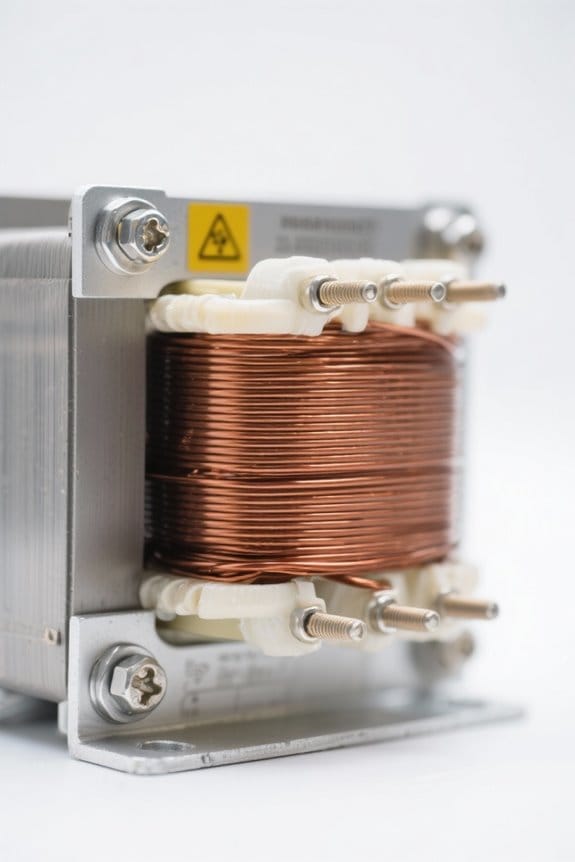
In home laboratories, enhancing safety through the use of isolation transformers is essential for protecting both users and sensitive equipment. These devices provide a safety barrier by achieving electrical isolation between the power supply and connected instruments, greatly reducing the risk of electric shock from live conductors. By preventing direct connections, isolation transformers facilitate fault containment, minimizing broader electrical hazards. They also eliminate the ground reference, further safeguarding users when interacting with potentially live components. Additionally, these transformers enhance the performance of sensitive equipment by filtering out electromagnetic interference, which is critical in lab settings. However, proper grounding considerations are fundamental; incorrect grounding can undermine their safety features, stressing the importance of careful installation and routine safety evaluations. Furthermore, using high-quality cables can contribute to a safer and more reliable lab environment.
Recommended Products

2000W Isolation transformer 120v to 120v: This isolation transformer can effectively filter out noise, improve sound quality, reduce distortion, and purify the power supply


1000W Isolation Transformer 120v to 120v: This isolation transformer can effectively filter out noise, improve sound quality, reduce distortion, and purify the power supply
Applications of Isolation Transformers in Experimental Setups
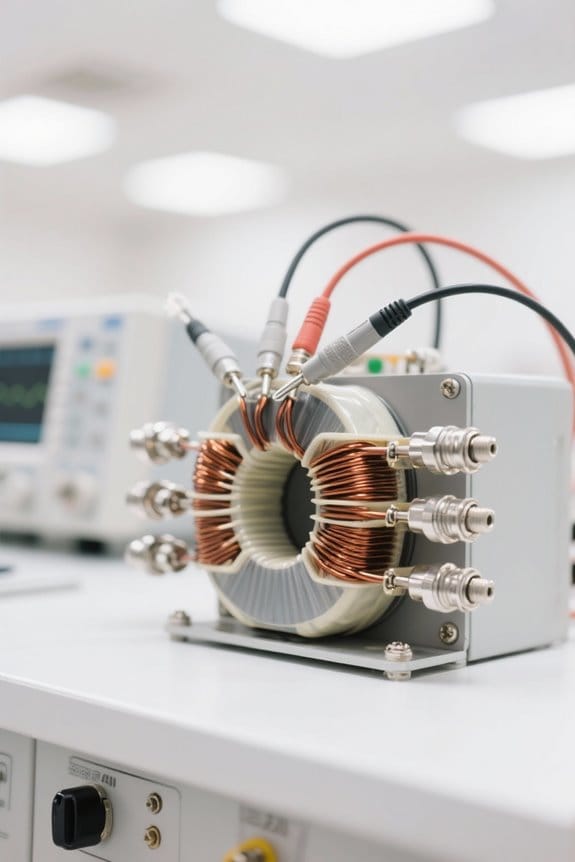
Utilizing isolation transformers can greatly enhance the reliability of experimental setups in home laboratories. These devices effectively protect sensitive equipment by electrically isolating it from the AC mains, reducing the risk of electric shock. By using isolation transformers, users can eliminate ground loops that introduce noise, thereby improving data accuracy in measurement tools like oscilloscopes. In audio and video applications, isolation transformers prevent interference, ensuring unhindered signal transmission. Additionally, for experiments involving high-frequency signals, isolating transformers suppress the impact of magnetic fields, reducing electromagnetic interference. Using these transformers for each device allows for localized fault containment, ensuring that hazards do not adversely affect nearby medical equipment or sensitive electronic components during testing, keeping experiments safe and reliable. Furthermore, employing heavy-duty extension cords alongside isolation transformers can further enhance overall safety and performance in laboratory settings.
Recommended Products

Ideal UPS protection for applications in patient-care areas where UL 60601-1 3rd edition listed medical electrical equipment is required

【Single-Phase Isolation Transformer】Effectively suppresses electrical interference, filters harmonics, blocks leakage current, and delivers purified power output. by isolating dirty power sources.

Reducing Electrical Noise in Sensitive Equipment
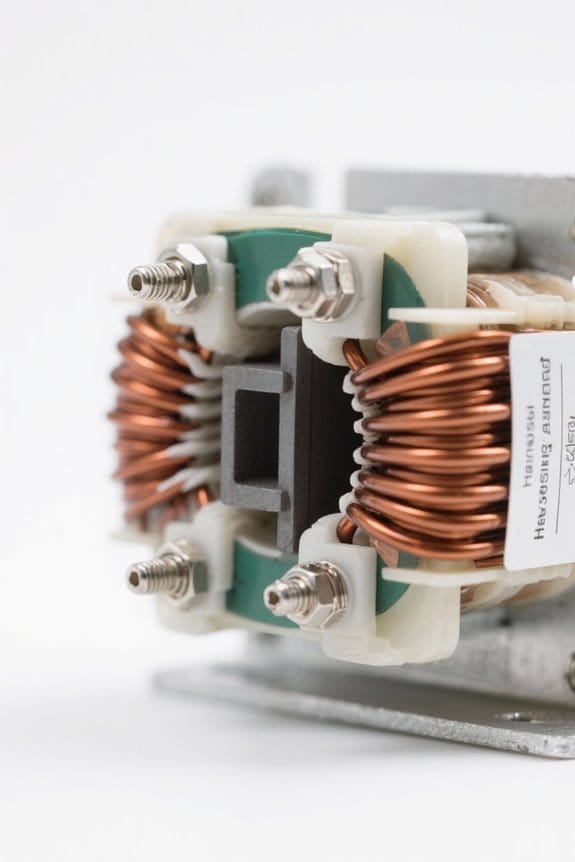
How can electrical noise be effectively reduced in sensitive laboratory equipment? Isolation transformers play an essential role by blocking electrical noise and minimizing electromagnetic interference (EMI). They create a barrier against high-frequency signals, enabling precise measurements and stable signal integrity for sensitive equipment like oscilloscopes and data acquisition systems. By providing a clean power supply, isolation transformers markedly reduce ground loop noise, which can adversely affect audio and video equipment. Additionally, they filter out harmful electrical transients and protect against power surges, enhancing the durability of laboratory equipment. Ultimately, implementing isolation transformers guarantees a stable reference point for measurements, which is crucial for accurate and reliable data collection in various experimental setups. Furthermore, choosing cables with fast charging capabilities can also contribute to minimizing electrical interference in laboratory environments.
Recommended Products
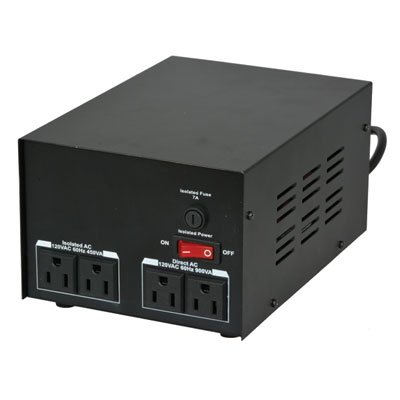
Product type: Power transformer | Primary side voltage: 110 VAC | Primary side current: 14 Amps | Primary side frequency: 50 to 60 Hz | Secondary side voltage: 110 VAC | Secondary side current: 7 Amps | Size: 8.86"L x 6.10"W x 4.33"H

1️⃣ Signal isolation: The most important function of an audio isolator is to isolate audio signals from each other. This is usually accomplished through the use of transformers.
Best Practices for Grounding and Bonding in Home Labs
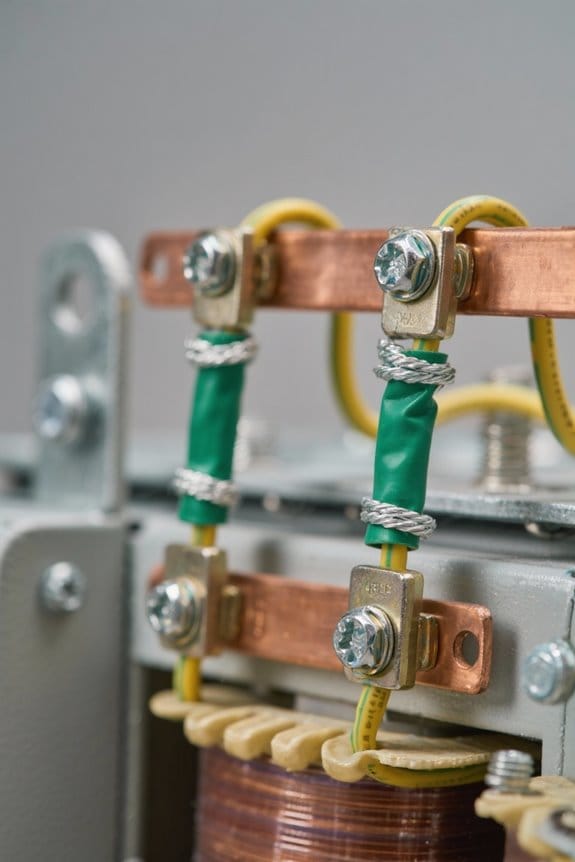
Grounding and bonding are critical components for guaranteeing safety and functionality in home labs, particularly when dealing with sensitive electrical equipment. It is essential to connect the chassis ground of each device to the circuit ground to avoid unintentional short circuits, which pose significant hazards. Implementing a single grounding point helps prevent ground loops, reducing electrical noise in sensitive setups. When using isolation transformers, make sure the secondary side is grounded properly, while avoiding connections to the primary side ground to maintain effective isolation. Employ color-coded wiring schemes that adhere to local electrical codes for clarity in grounding connections. Regular inspections of grounding connections for tightness and signs of corrosion are crucial to ensuring safety and preventing potential electrical hazards. Additionally, using surge protectors with high joule ratings can further safeguard sensitive equipment from power spikes.
Recommended Products

Complete Tissue Culture Kit – All-in-one solution for plant cloning, preservation, and propagation; ideal for home growers and labs.

ESD SAFE: These ESD Anti-Static General-Purpose Table Mat Rolls are made and assembled in USA and are designed to provide a static work surface to protect static sensitive devices. These ESD Anti-Static Mats are low cost, durable, easy to cut, and reversible.

✅ HIGH-SHIELDING FARADAY FABRIC - TitanRF Faraday Fabric is trusted and used worldwide by military and law enforcement forensics investigators to block all wireless signals. Additional applications include making faraday bags, RF enclosures, signalproof rooms or tents, EMP protection, personal data and identity protection, signal isolation in secure facilities, RF isolation for hardware and software testing, harmful EMF radiation reduction, digital privacy, and more.
Frequently Asked Questions
When Should I Use an Isolation Transformer?
When should one use an isolation transformer? During lab setups involving sensitive equipment, where safety equipment is essential for testing. Dramatic voltage fluctuations and noise reduction demand proper electrical grounding for effective circuit protection and power management in home projects.
Where Do We Use an Isolation Transformer?
Isolation transformers are used in laboratories and audio/video setups to enhance power safety, guarantee equipment compatibility, reduce electrical noise, stabilize voltage, protect circuits, and maintain signal integrity during testing procedures, thereby improving equipment longevity and performance.
What Are the Disadvantages of an Isolation Transformer?
Isolation transformers, like mythical beasts, harbor disadvantages such as significant safety concerns, cost implications, size limitations, and maintenance requirements. They also present grounding challenges, noise issues, and potential voltage instability, complicating their design and application.
What Is the Difference Between Isolation Transformer and Normal Transformer?
Isolation transformers provide electrical safety through galvanic isolation, maintaining voltage levels and enhancing noise reduction, unlike normal transformer types, which focus on voltage regulation and energy efficiency in standard power supply and circuit design applications.


