As an Amazon Associate, we earn from qualifying purchases. Some links on this site are affiliate links at no extra cost to you. Our recommendations are based on thorough research and editorial judgment.


Understanding Harmonics, Noise, and Filtering in AC Lines

Harmonics in AC lines are currents or voltages at multiples of the fundamental frequency, often caused by non-linear loads like rectifiers. They can lead to increased thermal stress on conductors and malfunctioning of sensitive equipment. Noise in electrical systems further complicates power quality, often arising from ungrounded systems. Effective filtering techniques, including passive and active methods, are essential for mitigating these issues and maintaining system reliability. To understand these strategies, further exploration is beneficial.
Key Takeaways
- Harmonics are voltage or current distortions at multiples of the fundamental frequency, often caused by non-linear loads like rectifiers and VFDs.
- Total Harmonic Distortion (THD) measures the level of harmonic distortion and impacts power quality, leading to equipment overheating and malfunctions.
- Noise in electrical systems arises from sources like switching power supplies and can degrade signal quality without proper filtering and grounding.
- Filtering techniques include passive filters, which stabilize predictable loads, and active filters, which inject counteracting currents to mitigate harmonics.
- Smart power strips enhance energy management by providing monitoring and control features, improving efficiency and reducing costs in electrical systems.
Sources and Effects of Harmonics
You may be interested


Harmonics in electrical systems emerge from non-linear loads that transform electrical energy in ways that can distort current and voltage waveforms. Common sources of harmonics include Variable Frequency Drives, rectifiers, and switch-mode power supplies. These non-linear loads often generate significant current harmonics, particularly strong 5th, 7th, and 11th order harmonics. This harmonic distortion negatively affects power quality by causing increased power losses and higher heating in conductors. Additionally, triplen harmonics, which are multiples of the 3rd harmonic, can accumulate in neutral conductors, worsening the situation. Such distortions can interfere with sensitive electronic equipment and communication systems, leading to operational issues. Thus, harmonic filtering becomes essential in mitigating these effects while enhancing overall system performance. Power Line Conditioners are vital tools that can help improve the quality of the power supplied to sensitive devices.
Recommended Products

A better option: Create a vacuum state with the NAVAC NRP8Di Smart Vacuum Pump. Removes moisture and non-condensables, while tracking evacuation progress with its integrated micron sensor. At 25 pounds, it’s lightweight and easy to use.
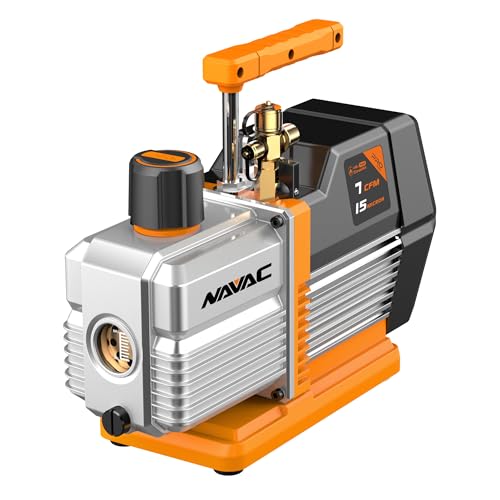
Welcome to the NP7DP2: This is the ultimate tool for eliminating contaminants and non-condensable materials from refrigeration lines. Since it features a flow rate of 7 CFM, a dual-stage AC motor, and is A2L Refrigerants compatible, it’s the ideal tool.

Robinair’s LD7 Premium Refrigerant Leak Detector features a color graphic display that highlights leak sizes in two unique ways – bar graph and sweep modes
Impacts of Harmonics on Power Quality

How does the presence of harmonics impact the overall quality of power systems? Harmonic distortion can greatly degrade power quality, primarily due to nonlinear loads that introduce total harmonic distortion (THD). Increased THD can cause excessive thermal stress on conductors, leading to higher resistive losses. These effects may interfere with sensitive electronic equipment, resulting in malfunctions and shorter device lifespans. Triplen harmonics, which are odd-number multiples of the fundamental frequency, accumulate in neutral conductors, increasing the risk of overheating. Additionally, high harmonic levels can trigger resonance phenomena, generating excessive voltages and currents that threaten component integrity. To mitigate these risks, compliance with harmonic limits, such as those established by IEEE 519, is essential for effective filtering and maintaining power quality in electrical systems. Furthermore, using heavy-duty construction materials in power cords can help improve the durability and reliability of electrical connections, ultimately enhancing overall power quality.
Recommended Products
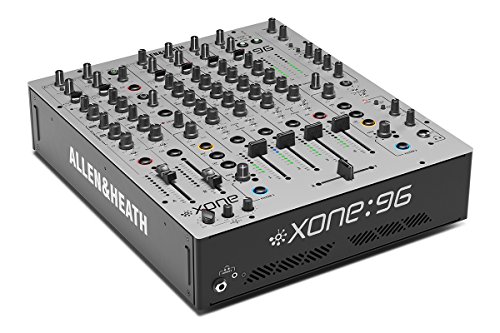
Legendary Xone analog design with 6 + 2 Channel layout

【Strong Load Capacity】GM10500iETC has the maximum power among single cylinder silent inverter generator, the whole machine can work stably at 8500w running watts and 10500w starting watts on gasoline, 8000w running watts and 9500w starting watts on LPG, 6800w running watts and 8400w starting watts on Natural Gas, so large load starting current equipment, air compressor/blower/air conditioner can carry at one time.THD less than 3% perfect for sensitive equipments such as computer and cell phone.

IntelliMix technology that allows sound system installers to eliminate common problems such as insufficient gain before feedback and muddy speech quality
Understanding Noise in Electrical Systems

Noise in electrical systems poses significant challenges, particularly as technology continues to advance. Various sources, including switching power supplies and non-linear loads, contribute to harmonic distortion, adversely affecting signal quality. Harmonic currents can introduce interference, degrading power quality vital for sensitive equipment, especially in medical and communication applications. Ungrounded systems, lacking proper grounding and shielding, are particularly vulnerable to noise, experiencing heightened interference and signal distortion. To combat these issues, regular monitoring of harmonics and noise levels at the Point of Common Coupling (PCC) is essential. Utilizing power quality analyzers can help identify and address these disturbances. Ultimately, effective filtering strategies are necessary to guarantee reliable operation in modern electrical systems, promoting enhanced performance and consistency. Additionally, implementing surge protectors with high joules ratings can significantly mitigate the risk of damage from voltage spikes in sensitive devices.
Recommended Products

Key power measurements-All measurements are measured and logged to eliminate the risk of not recording the important parameters
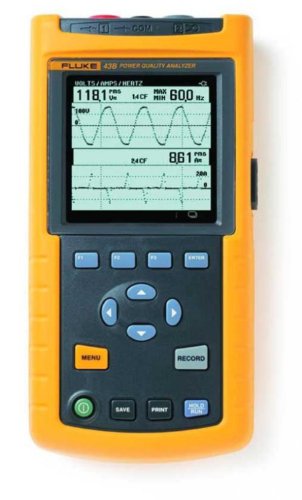
Your unit is calibrated prior to shipment with a new nist-traceable calibration Certificate with data

Mi550 handheld three phase power quality analyzer, externally connected with open type Rogowski coil or voltage type CT, it can realize none dismantling wire test, simplify test steps, save construction cost, and is more convenient for engineering test as well as the inspection and maintenance of distribution system.
Filtering Techniques for Harmonic Mitigation

When addressing the issues of harmonic distortion in power systems, various filtering techniques can be implemented to enhance power quality. Passive harmonic filters, including line reactors and tuned filters, effectively stabilize systems with predictable load profiles, while active power filters utilize power electronics to inject counteracting currents, thereby canceling out harmonics from non-linear loads. This results in improved voltage and load current quality. Hybrid harmonic mitigation approaches combine both methodologies, enhancing system efficiency and addressing dynamic load challenges. IEEE 519 outlines permissible levels of voltage distortion, ensuring compliance and reliable performance. Proper sizing of these filters and conductor selections also play a pivotal role in minimizing energy losses and optimizing harmonic performance across electrical systems.
Recommended Products

Light and Powerful All Around Cutting Performance.

Smart tension, is a semi automatic belt tensioning system that allows easy belt change and easy belt tension.
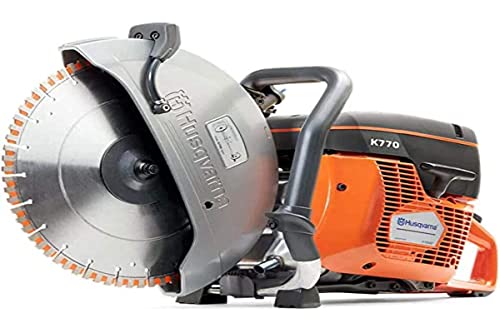
Easy and optimal belt tensioning: semi-automatic smart tension minimizes the risk of under- and over tensioning
Passive vs. Active Filtering Methods

The discussion of harmonic mitigation naturally leads to an examination of passive and active filtering methods, each with distinct advantages and limitations. Passive filters utilize basic components like capacitors and inductors, effectively reducing harmonic distortion by providing low impedance paths for specific frequencies. However, they are often limited to fixed harmonic frequencies, which may lead to tuning issues. In contrast, active filters employ advanced power electronics to generate harmonic currents that cancel unwanted harmonics from non-linear loads. This allows for more dynamic and precise power quality control. Hybrid filtering systems combine both approaches, optimizing harmonic reduction in complex environments. Effective use of these filtering methods minimizes energy losses, prevents overheating, and extends equipment lifespan, enhancing overall harmonic mitigation. Furthermore, maintaining surge protection ratings is crucial to ensure that sensitive devices are safeguarded against power fluctuations and potential damage.
Recommended Products
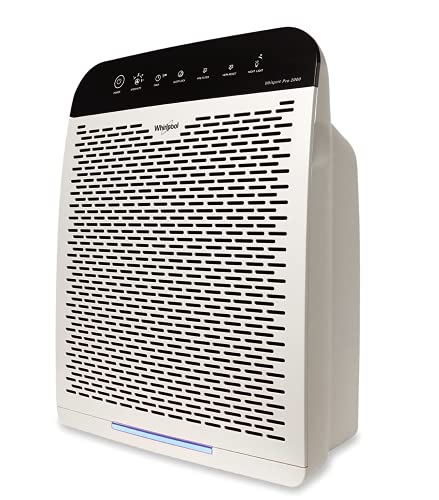
[ Best in its Class ] — Cleans air in a 508 sq. ft. space. For allergy sufferers, best use in 508 sq. ft. space. CADR rated 328. This makes the Wppro2000 the most powerful air purifier in its class.

Ideal replacement - this harmonic balancer assembly exactly matches the fit and function of the original harmonic balancer for a direct replacement

Reduces torsional vibration and serves as a pulley for the engine drive belts
Power Factor Correction Strategies
Enhancing power system efficiency through power factor correction (PFC) strategies is crucial for maintaining ideal performance and reducing energy losses. Passive PFC techniques, such as capacitors or inductors, effectively balance reactive power demands, rectifying low power factors at a lower cost. In contrast, active PFC employs power electronics to manage the power factor dynamically, offering precise correction in complex load scenarios, thereby reducing harmonic distortion and voltage harmonics. Hybrid PFC combines both methods, optimizing system efficiency while addressing power factor correction and harmonic mitigation measures. Improving power factor not only increases power system capacity but also reduces electricity costs and guarantees compliance with utility regulations, effectively avoiding penalties associated with low power factors in electrical systems. Additionally, implementing intelligent safety features in power systems can further enhance reliability and efficiency, similar to how they protect battery chargers from damage.
Future Trends in Harmonic Management
As industries continue to advance and embrace modern technologies, future trends in harmonic management reflect a significant shift towards more efficient and adaptive solutions. The increasing use of Active Front End (AFE) variable frequency drives (VFDs) will minimize harmonic distortion, enhancing both electrical power efficiency and power supply voltage stability. In addition, hybrid harmonic mitigation systems will integrate passive and active methods for thorough solutions. The adoption of smart grid technologies and real-time monitoring will enable precise control of harmonic distortion levels, allowing for dynamic adjustments. Additionally, the rise of renewable energy sources and electric vehicles necessitates advanced strategies for managing non-linear loads. Compliance with evolving legislation, including updated IEEE 519-2014 guidelines, will drive continued innovation in noise filtering and harmonic management techniques. Furthermore, the integration of smart power strips into home and industrial settings supports enhanced energy management and monitoring capabilities.
Frequently Asked Questions
What Are Harmonics in an AC System?
Harmonics in an AC system represent harmonic distortion originating from non-linear loads, affecting power quality through voltage variations and current harmonics. Waveform analysis reveals resonance issues, while harmonic cancellation techniques mitigate phase shift effects in the frequency spectrum.
How to Filter Out Harmonics?
To filter out harmonics, one may employ harmonic analysis techniques, utilizing passive and active filters to reduce harmonic distortion. These strategies enhance power quality by addressing circuit resonance, ensuring electrical efficiency and effective load balancing through frequency response management.
How to Detect Harmonics in AC Circuits?
Harmonics in AC circuits can be detected through circuit analysis, utilizing measurement techniques like FFT for waveform characteristics. Instrumentation methods assess harmonic distortion, identify distortion sources, and evaluate load effects on the frequency spectrum, aiding harmonic mitigation and power quality.
What Is the Difference Between Harmonics and Noise?
Harmonics, stemming from non-linear loads, create predictable distortion, negatively impacting efficiency and causing thermal stress. In contrast, noise, arising from various sources, results in random interference, requiring different reduction techniques to maintain signal integrity.


