As an Amazon Associate, we earn from qualifying purchases. Some links on this site are affiliate links at no extra cost to you. Our recommendations are based on thorough research and editorial judgment.


Measuring Power Quality at Home: Tools and Methods

Measuring power quality at home is vital for efficiency and protecting equipment. Essential tools include digital multimeters for voltage checks and power quality analyzers that monitor multiple electrical parameters. True RMS meters accurately measure voltage and current in non-sinusoidal waveforms. Users should look for symptoms of poor power quality, such as flickering lights or equipment overheating. Regular monitoring and analysis can help detect and rectify issues, enhancing electrical stability. Further insights on specific tools and methods await exploration.
Key Takeaways
- Utilize digital multimeters for quick voltage and current measurements to assess basic power quality issues at home.
- Employ true RMS meters for accurate readings on non-sinusoidal waveforms, crucial for sensitive electronic devices.
- Consider power quality analyzers to record various metrics over time, capturing detailed anomalies and trends.
- Use thermal imagers to identify overheating equipment that may indicate underlying power quality problems.
- Implement data loggers to monitor power quality trends, helping analyze recurring issues and optimize electrical system performance.
Importance of Measuring Power Quality at Home
You may be interested


Measuring power quality at home is crucial for maintaining electrical system efficiency and preventing equipment damage. Conducting a power quality analysis enables homeowners to identify issues such as voltage dips, swells, and current harmonics that can disrupt devices. By utilizing multimeters and power quality analyzers, individuals can capture important parameters like voltage levels and power factor, providing an extensive assessment of electrical supply. Regular monitoring reveals trends in energy consumption, allowing homeowners to optimize electricity costs and manage peak usage times effectively. Furthermore, understanding power quality aids in detecting potential problems, such as faulty wiring or appliance malfunctions, before they escalate. Ultimately, ensuring good power quality enhances the reliability of electronic devices and minimizes the risk of performance degradation or data loss. Additionally, investing in power adapters with safety certifications can further protect devices from electrical risks, ensuring a stable power supply.
Common Symptoms of Poor Power Quality

Symptoms of poor power quality can manifest in various ways within a household, making it essential for homeowners to recognize these signs. Frequent flickering or dimming of lights often indicates voltage drops or sags, impacting the electrical supply. Appliances may display erratic behavior, such as unexpected shut-offs, tied to voltage transients or fluctuations. Sensitive electronics, like computers, can freeze or crash due to harmonic distortion or voltage imbalances affecting their operation. Additionally, increased energy bills might reveal a low power factor caused by high reactive power from harmonic distortion. Finally, equipment overheating can occur, attributed to excessive harmonic currents, leading to equipment damage and higher maintenance costs, diminishing overall efficiency in households. Identifying these symptoms can guide necessary interventions; using power consumption monitors can help track and improve energy efficiency in homes.
Recommended Products

QD-MINI LED: TCL's QD-Mini LED combines the merits of QLED and OLED technologies, transforming the traditional backlight into lighting that is close to pixel-level precision.
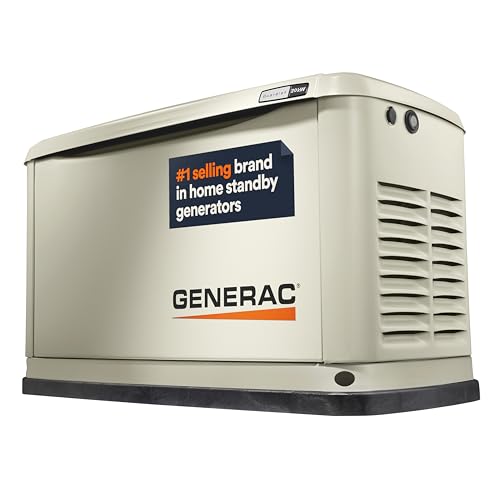
Remote Monitoring Anywhere: With Generac 7077 20kW Mobile Link Wi-Fi connectivity, effortlessly track generator performance from anywhere. Stay updated on status and maintenance alerts, ensuring peace of mind even when you’re away

Remote Monitoring Anywhere: With Generac 7042 22kW Mobile Link Wi-Fi connectivity, effortlessly track generator performance from anywhere. Stay updated on status and maintenance alerts, ensuring peace of mind even when you’re away
Essential Tools for Power Quality Measurement

Understanding the tools available for measuring power quality is essential for homeowners seeking to diagnose and address electrical issues effectively. A basic digital multimeter (DMM) can measure voltage and current, offering quick insights but lacking the depth needed for dynamic events. True RMS meters are important for accurately measuring non-sinusoidal waveforms, ensuring accurate readings in complex situations. For thorough analysis, a power quality analyzer records multiple parameters over time, including harmonics and power factor, aiding in analyzing power quality. Thermal imagers can reveal overheating equipment, while data loggers track power quality trends, capturing data on dips and swells. Together, these tools empower homeowners to measure power quality effectively and improve electrical system reliability. Additionally, incorporating surge protection in power management can help safeguard sensitive electronics from voltage spikes.
Recommended Products

(1)POA-3H Power Quality Analyzer is a comprehensive test instrument,designed for field test of three phases, multi-functional and intelligent, concise man-machine operation. It is easy to use, large LCD screen display, high resolution, interface in both Chinese and English, shock-proof shell structure and so on.
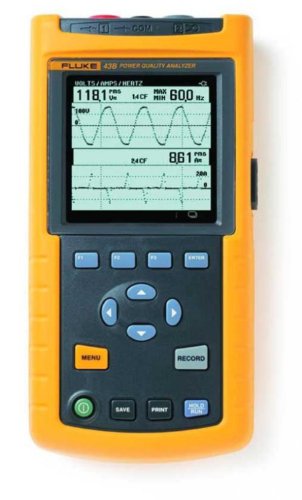
Your unit is calibrated prior to shipment with a new nist-traceable calibration Certificate with data

Digital multimeter measures AC/DC voltage, AC/DC current, resistance, capacitance, frequency, and temperature
Understanding Voltage and Frequency Measurements

Voltage and frequency measurements are fundamental components of power quality assessment, offering essential insights into the electrical conditions within a home. Typically, devices like multimeters or voltmeters are used to measure supply voltages, which may range from 110 V to 220 V, and frequencies of 50 Hz or 60 Hz. These measurements help identify issues such as overvoltage or undervoltage, which can damage appliances and disrupt power quality. While voltage measurements provide a momentary snapshot, they do not capture transient events like spikes or dips. Meanwhile, monitoring frequency is vital, as variations can lead to equipment malfunctions. However, basic measurements do not assess waveform shape, harmonic distortion, or overall power factor, underscoring the need for advanced tools for thorough analysis. Additionally, utilizing power strips with surge protection ratings can further safeguard your devices from voltage spikes.
Exploring Waveform Analysis Techniques

Home electrical systems often experience issues that standard voltage and frequency measurements cannot fully address. Waveform analysis techniques utilize waveform analyzers to capture voltage and current waveforms, essential for identifying power quality problems. These tools reveal abnormalities like harmonics, interharmonics, and high-frequency noise that can affect electronic equipment efficiency. By examining the shape and distortion of waveforms, homeowners gain insights into issues that may lead to equipment overheating or malfunctions. Advanced analysis can measure high-order harmonics, providing a detailed view of power supply conditions. Although utilizing sophisticated waveform analysis equipment may require investment and expertise, the data collected markedly enhances troubleshooting efforts and improves overall power quality management at home. Additionally, maintaining surge protection is crucial for safeguarding sensitive electronics from potential damage caused by power quality issues.
Evaluating Power Factor Measurement Methods
Evaluating power factor measurement methods is essential for ensuring the efficiency of electrical systems within residential settings. Power factor meters and analyzers measure the ratio of real power to apparent power, indicating how effectively electrical energy is converted into work. A power factor close to 1 signifies high efficiency, while values below 0.9 can lead to increased utility costs due to penalties from energy providers. True RMS meters become vital in environments with non-linear loads, as they accurately capture the real heating effects of distorted waveforms. Additionally, these devices analyze total harmonic distortion, which can further impact efficiency by distorting current waveforms and reducing effective power use. Accurate evaluations help homeowners optimize their energy consumption and potentially avoid unnecessary expenses. Incorporating power line conditioners can also greatly enhance the overall quality of electrical supply in the home.
Comprehensive Power Quality Metering
While many homeowners may not fully realize it, extensive power quality metering plays an essential role in understanding the performance of their electrical systems. Thorough power quality metering involves dedicated instruments that measure voltage, current, frequency, and power factors. These advanced meters capture significant data, including transient events, which helps identify issues like voltage sags and harmonic distortions. By analyzing this information, users can understand trends affecting their power supplies over time. Additionally, many power quality meters store and transmit data for further analysis, ensuring precise monitoring. Regular use of these tools can enhance system performance, reduce equipment damage, and minimize disruptions, proving valuable for effective electrical management in homes. Furthermore, implementing surge protection ratings can further safeguard devices from potential electrical damage caused by power quality issues.
Recommended Products

FAST SETUP AND OPERATION: One person, 2 minute set up and operate. Quickly adapts from underground to overhead pulls

Fully balanced circuitry to deliver impressively low signal-to-noise ratio and improved channel separation

Fully balanced circuitry to deliver impressively low signal-to-noise ratio and improved channel separation
Steps for Analyzing Power Quality Issues
Analyzing power quality issues involves a systematic approach that begins with a detailed assessment of the home’s electrical system. Homeowners should gather essential information, such as circuit wiring details, nominal voltage levels, and frequency. Documenting timing and occurrences of power quality issues, like flickering lights, assists in identifying patterns. Designate specific measurement locations to evaluate voltage trends, noting discrepancies across circuits. Utilizing specialized tools, like power quality analyzers, allows for capturing thorough power quality metrics, including waveforms and harmonics. After identifying potential power quality concerns, it is imperative to correlate recorded anomalies with equipment usage patterns. Understanding the causes of power quality issues will aid in addressing them effectively, ensuring a stable electrical environment in the home. Additionally, using surge protectors with adequate surge protection can help minimize the impact of voltage spikes on sensitive electronics.
Recommended Products

Your unit is calibrated prior to shipment with a new nist-traceable calibration Certificate with data

Efficient: The combustion analyzer hvac was made for the challenges of intensive daily use and measures carbon monoxide and O2 level, temperature, draft, and differential pressure

Compact 40-input channel, 25-bus digital mixing console for Studio and Live application
Proactive Maintenance for Improved Power Quality
To maintain ideal power quality in a home, proactive maintenance is essential, as it can prevent minor issues from escalating into significant electrical problems. Regularly monitoring voltage, current, and frequency with power quality meters allows homeowners to identify potential disruptions in their power supply. Keeping an up-to-date one-line diagram of the electrical system simplifies troubleshooting and distinctly indicates areas needing attention. Scheduled routine inspections help detect overheating and worn components, thereby reducing risks associated with power quality. Additionally, implementing harmonic analysis and mitigation strategies enhances the efficiency and lifespan of appliances affected by harmonic distortion. By utilizing data loggers to record and analyze power quality trends, homeowners gain insights that inform decisions about necessary electrical system upgrades or modifications. Ensuring that devices have fast charging capabilities can also help in maintaining consistent power quality for sensitive electronics.
Recommended Products
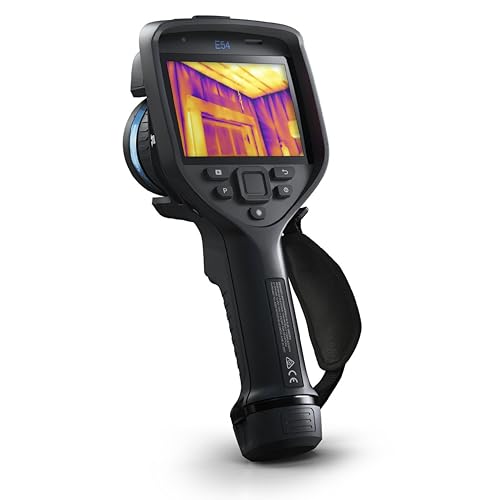
320 x 240 infrared pixel resolution with FLIR patented MSX visual enhancements

28,000 Peak Watts and 20,000 Running Watts; Easy-Access Start Panel with Keyed Electric Start, Choke Knob, and Fuel Control Valve; Up to 15 Hours of Run Time at 25% load on a 17 Gallon Fuel Tank With Fuel Gauge

Simultaneous 120V and 240V output High quality automatic voltage regulated heavy duty single phase PTO generator with 16KW continuous output 100% copper windings Pre-sealed maintenance-free bearings Lightweight aluminum and steel housing for maximum durability Magnetic circuit breaker with individual circuit protection for safety and accurate overload protection Drip-proof design Three Bar LED meter provides accurate display of Hertz, Volts, and Amps output Full power outlet Standard 1-3/8", 6-spline input shaft 540 RPM PTO Speed Assembled in the USA with local sales and technical support
Frequently Asked Questions
What Equipment Is Used to Measure Power Quality?
In a world where electrical disturbances whisper through circuits, power quality measurement techniques involve tools like power quality analyzers, true RMS meters, oscilloscopes, and data loggers, ensuring precise monitoring and identifying potential issues in electrical systems.
How to Measure Power Quality?
To measure power quality, one conducts power quality analysis through voltage fluctuation monitoring, harmonic distortion assessment, and frequency stability testing. This thorough approach identifies issues affecting performance and efficiency in electrical systems.
What Tool Is Used to Measure Power?
The tool used for power measurement encompasses multimeters for energy analysis, alongside sophisticated devices for voltage monitoring and current sensing. These instruments delicately unravel the intricacies of electrical dynamics within households, ensuring reliability and efficiency.
What Are Some of the Different Ways to Measure Electricity?
Various methods to measure electricity include utilizing power quality analyzers for voltage fluctuations and current harmonics, alongside frequency analysis for evaluating electrical stability, and calculating power factor to guarantee efficient energy usage in systems.


