As an Amazon Associate, we earn from qualifying purchases. Some links on this site are affiliate links at no extra cost to you. Our recommendations are based on thorough research and editorial judgment.


UPS Monitoring and Alerting: Avoiding Silent Battery Failure

Effective UPS monitoring and alerting are vital for avoiding silent battery failures. Regular monitoring tracks essential parameters like voltage, temperature, and internal resistance to prevent unexpected outages. Advanced systems provide real-time alerts, enabling proactive maintenance and timely interventions. Understanding signs of battery degradation, such as drops in backup power time, aids in early detection of issues. Utilizing remote management enhances oversight and guarantees battery health, prolonging UPS lifespan. There is more to explore about ideal UPS monitoring solutions.
Key Takeaways
- Implement advanced UPS monitoring systems to track voltage, temperature, and internal resistance for proactive management of battery health.
- Utilize real-time alerts to detect voltage drops and excessive temperatures, preventing silent battery failures before they impact performance.
- Regularly monitor individual cell voltages, as the failure of one cell can compromise the entire battery array.
- Incorporate diverse notification methods, like SNMP alerts, to ensure quick responses to critical battery issues.
- Conduct ongoing technical support and routine checks to extend the lifespan of UPS systems and mitigate risks of silent failures.
The Importance of UPS Monitoring for Battery Health
You may be interested


How can effective monitoring guarantee the longevity and reliability of UPS batteries? Reliable battery health is essential, as batteries are often the least dependable part of a UPS system. Utilizing advanced battery monitoring systems allows for continuous oversight of key parameters. This includes tracking voltage and temperature, which are critical in preventing failing batteries that threaten overall system integrity. Automated performance solutions deliver daily measurements and alerts, enabling proactive management. Data analysis reveals trends in battery behavior, facilitating predictive maintenance that can identify potential battery failure before it disrupts critical power supply. Consequently, systematic monitoring not only extends battery life but also mitigates financial losses associated with unplanned power outages and unnecessary replacements of functioning units. Additionally, implementing features like Automatic Voltage Regulation (AVR) can help protect sensitive electronics and further enhance battery performance.
Recommended Products

【10 Years of Peace of Mind】Trusted by 6M+ users worldwide, our leading PV inverter brand provides a 10-year product quality assurance and local support, ensuring fast, reliable service and assistance whenever you need it, right in your area.
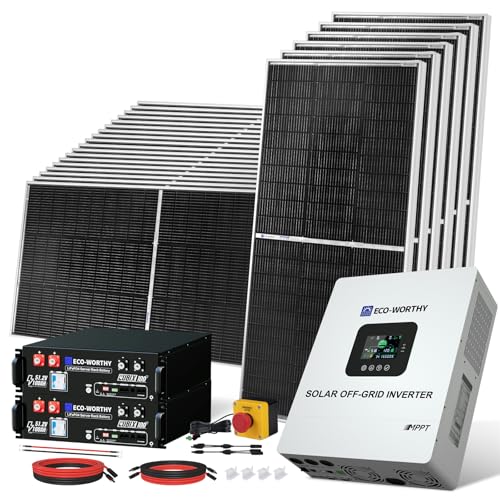
Full Off-Grid Solar Solution: Achieve energy independence with a robust renewable solution! Take control of your energy independence with the ECO-WORTHY comprehensive off-grid solar kit. This package includes two 48V 100Ah LiFePO4 integrated communication batteries, 24pcs 195W N-Type bifacial solar panels, and a powerful 5000W off-grid solar inverter equipped with a 100A MPPT solar charge controller, as well as all the necessary cables and mounting brackets.

ECOFLOW 12kWh Power Station: DELTA Pro Ultra with Extra Battery
Common Signs of Silent Battery Failure

Silent battery failure can often occur without any warning, presenting significant risks to power reliability. One common sign is a noticeable drop in backup power time; batteries may struggle to supply adequate energy during even brief outages. Increased internal resistance is another indicator, signaling that a battery is silently degrading, which leads to reduced efficiency and lifespan without external alerts. Additionally, abnormal temperature readings during regular operation can hint at potential battery failure, as excessive heat negatively impacts battery capacity. Regular monitoring of individual cell voltage is essential, as a single compromised cell can drastically affect the performance of the entire battery string, consequently emphasizing the need for robust monitoring systems to protect critical equipment from silent battery failure. Understanding battery management technology can further enhance the effectiveness of monitoring systems in identifying these silent issues before they lead to failure.
Techniques for Effective UPS Monitoring

Effective UPS monitoring is vital for maintaining power reliability across various environments. Many network managers depend heavily on built-in interfaces, which risk failure during an outage. A robust battery monitoring solution should utilize remote monitoring and employ Remote Terminal Units (RTUs) to guarantee thorough oversight. Real-time voltage monitoring is essential, as it helps prevent full discharges that can harm batteries. An effective system must analyze individual battery cell health, since one degraded cell can lead to critical failure. Incorporating diverse notification methods, such as SNMP alerts and battery alarm systems, enhances responsiveness, allowing users to receive important updates through text messages or web interfaces. Additionally, understanding surge protection ratings can help ensure that connected devices remain safe during power anomalies. In this way, proactive UPS monitoring supports efficient power management and reduces potential risks.
Recommended Products

Large 5000VA/4000W output capacity with full-time sine wave output offers guaranteed compatibility with all equipment types

ADVANCED PURE SINE WAVE UPS: 5000VA/4500W line interactive system compensates for power fluctuations, protects against equipment damage, and prevents data loss in the event of a power disturbance

【Long Lifespan & Cost Efficiency】With 6,000 deep cycles at 80% depth of discharge—equivalent to 10+ years of reliable service, this 12v 640Ah 4 PACK lifepo4 battery far outperforms lead-acid alternatives while significantly reducing long-term costs. Its massive 640Ah capacity delivers 8,192Wh of energy storage with over twice the energy density of comparable lead-acid batteries, all backed by a 5-year warranty and 24/7 customer support.
Benefits of Real-Time Battery Alerts

Real-time battery alerts offer significant advantages for UPS systems, enhancing overall operational reliability. These alerts allow operators to monitor the battery continuously and identify potential problems before they escalate. A robust battery monitoring system provides daily performance data, ensuring early detection of voltage drops and excessive temperatures, which aids in preventing deep discharges that can damage the batteries. In addition, alerts regarding individual cell health enable technicians to address issues before they compromise the battery array’s integrity. By utilizing multiple notification methods—such as SNMP, email, and text messages—responsiveness in critical situations is improved, ensuring that the right personnel can act quickly. Ultimately, these strategies support proactive maintenance, prolonging battery lifespan and minimizing the risks of battery failure. Moreover, implementing surge protection for appliances can further safeguard sensitive equipment against electrical disturbances, enhancing overall system reliability.
Key Parameters to Monitor in UPS Batteries

Monitoring key parameters in UPS batteries is important for ensuring their ideal performance and longevity. Key aspects include internal resistance, charge voltage, and temperature monitoring. Regular checks on internal resistance can indicate deterioration within battery cells, signaling the need for replacement before critical failure occurs. Charge voltage should also be monitored to prevent overcharging, as this can greatly reduce the lifespan of UPS systems. In addition, temperature monitoring is essential, since excessive heat accelerates battery aging and compromises reliability. Finally, keeping track of discharge cycles helps avoid excessive cycling, which can shorten battery lifespan. For data centers relying on uninterrupted power, understanding these parameters is fundamental to maintain operational efficiency and reliability. Additionally, implementing real-time monitoring can enhance proactive maintenance and timely interventions.
Recommended Products

Easily Scales Up. Adapt power to your lifestyle with expandable capacity from 3kWh to 11kWh. Add extra batteries to cover multi-day blackouts, RV living, or extended outdoor trips. Flexible, future-proof design grows with your needs—no compromises.

Unmatched Power & Versatility - With an impressive 3400W continuous output in X-Boost mode, the DELTA 3 Max effortlessly powers over 99% of home appliances and tools—from heavy-duty refrigerators and microwaves to professional power equipment. It's the all-in-one power solution for both unexpected home outages and planned outdoor adventures.

Version Update: As of June 4, 2026, the 12V 280Ah LiFePO4 Bluetooth battery has been upgraded to a metal case design, replacing the previous plastic enclosure. The metal housing provides improved durability and better thermal resistance for enhanced structural safety.The 280Ah metal case version is available in two exterior label styles shipped randomly; both versions have identical internal structure, capacity, and performance.
Advanced Monitoring Solutions for Data Centers
How can data centers guarantee peak performance from their uninterruptible power supply (UPS) systems? Advanced monitoring solutions play an essential role by utilizing real-time data analytics to track battery health assessments accurately. These systems enable the identification of trends that can predict battery failure, allowing for proactive replacements before issues arise. Automated alerts inform stakeholders of potential problems based on preset thresholds, enhancing the response to failures. Integrating with Data Center Infrastructure Management (DCIM) tools facilitates a thorough overview of critical power parameters, boosting operational efficiency and reliability. Continuous monitoring of performance metrics helps optimize battery lifespan, ensuring an uninterrupted power supply to essential IT infrastructure and ultimately safeguarding business continuity. Additionally, implementing safety features in charging hubs can further enhance system reliability and protect against unexpected power fluctuations.
Recommended Products

HIGH POWER FACTOR (0.9-1.0): More usable power allows more connected loads saving space and costs.

Energize Almost Everything. The EcoFlow DELTA Pro 3 supports 120V/240V voltage and has a 4000W output (6000W with X-Boost, scalable up to 12000W), powering nearly all essential home appliances, such as a 3-ton* central AC or a 1 HP water pump.

Output Power Capacity: 2100 Watts / 3000 VA Max Configurable Power: 2100 Watts / 3000 VA Nominal Output Voltage: 208 V Output Voltage Note: Configurable for 208 or 240 nominal output voltage
The Role of Remote Management in UPS Systems
Effective management of uninterruptible power supply (UPS) systems greatly enhances the reliability of data centers. Remote management allows for real-time monitoring of battery health, voltage, and environmental conditions, thereby facilitating proactive maintenance. Utilizing a web interface, technicians can control and monitor UPS systems without the need for onsite visits, improving response times to battery-related issues. Advanced battery monitoring systems track individual cell voltages, ensuring even minor irregularities are detected early. Remote Terminal Units (RTUs) enhance this monitoring by collecting data across multiple systems, sending alerts through text, email, and SNMP. Continuous tracking can reveal trends and potential failures, allowing for timely battery replacements before a larger system failure occurs, enhancing overall UPS reliability and performance. Moreover, incorporating features like Automatic Voltage Regulation (AVR) can help maintain power supply stability, further reducing the risk of battery failure.
How Unified Power Can Enhance Your UPS Monitoring
By integrating advanced technology with traditional UPS management, Unified Power enhances UPS monitoring through a thorough approach that emphasizes proactive maintenance and real-time data analytics. Their system offers in-depth monitoring of batteries, providing daily reports on essential metrics such as cell voltages, internal resistance, and temperature. This data enables users to maintain peak UPS battery health and prevent silent failures. Additionally, Unified Power’s extensive UPS battery testing adheres to IEEE standards, ensuring reliable evaluations. With remote monitoring capabilities, users receive immediate alerts regarding potential battery issues, facilitating timely responses. Ongoing technical support further aids in battery maintenance and helps extend the lifespan of UPS systems, ultimately ensuring dependable backup power during critical situations. Moreover, incorporating safety features in monitoring systems can significantly enhance reliability and performance longevity.
Recommended Products

Display & App Monitoring: dé lifepo4 battery equipped with 3''touchscreen display for direct control and status display. In addition, WLAN, CAN, RS485 and RS232 enable intelligent system monitoring via app - with real-time data on charge status, voltage, current and power, easy to manage your home storage.

3000VA/2700W Smart App Online Battery Backup Uninterruptible Power Supply (UPS) System uses sine wave output to safeguard mission-critical servers, storage appliances, network devices, and telecom installations

BYD Cells & Absolutely Reliable: Power your system with premium BYD LiFePO4 cells, outperforming many lithium-ion products on the market. Built with a high-performance 100A BMS, it offers comprehensive protection for reliable operation. The system safeguards against overcharging, over-discharging, overload, and short circuits, while its low-temp cutoff and overheat protection ensure adaptability to extreme weather and emergency outages. It also provides dual safety guarantees: power forced off/on and an air switch for auto-shut off when overload.
Frequently Asked Questions
How Do I Get My APC Battery Backup to Stop Beeping?
To stop the APC battery backup from beeping, check battery status and load. Effective power management strategies and battery replacement indicators guarantee ideal UPS operation. Familiarizing oneself with beeping troubleshooting tips can enhance overall battery lifespan and efficiency.
What Happens When an UPS Battery Fails?
When UPS battery failure occurs, symptoms include unexpected shutdowns and alerts. Monitoring battery health and testing performance are essential for troubleshooting issues, guiding timely replacement, and extending battery life through preventive maintenance and recognizing signs of degradation.
How to Stop UPS Beeping During Power Outage?
To stop a UPS beeping during a power outage, users can activate quiet mode via the UPS configuration settings or consult the user manual for alarm troubleshooting, adjusting battery settings and beep notifications based on equipment compatibility.
How Do I Stop My Vertiv UPS From Beeping?
To silence a Vertiv UPS’s persistent beeping, one must explore UPS alarm settings and apply effective UPS troubleshooting. Proper battery management strategies and routine maintenance checks guarantee ideal battery health, enhancing silent operation during power outages.


