As an Amazon Associate, we earn from qualifying purchases. Some links on this site are affiliate links at no extra cost to you. Our recommendations are based on thorough research and editorial judgment.


Maintenance Best Practices for Small Office UPS Units

Regular maintenance of small office UPS units is vital for peak performance and reliability. Monthly visual checks for dust and swelling are essential. Every three months, battery voltage and terminal corrosion must be assessed. Annual inspections should cover fan operations and internal connections. Proper load management guarantees that total usage does not exceed the UPS’s rated capacity, preventing overheating. For further insights on effective maintenance practices and their benefits, additional information is available.
Key Takeaways
- Conduct monthly visual checks for dust accumulation and signs of swelling to maintain optimal airflow and component health.
- Test battery voltage and inspect terminals for corrosion every three months to ensure battery reliability.
- Perform annual thorough inspections to assess fan operation and internal connections for potential issues.
- Document maintenance activities to monitor performance trends and inform future upkeep strategies.
- Maintain proper load management to prevent overheating and ensure the UPS unit operates within its rated capacity.
Importance of Regular UPS Maintenance
You may be interested


When considering the reliability of power supply systems, the importance of regular UPS maintenance cannot be overstated, as it serves to prevent unexpected downtimes that could disrupt critical operations. Regular maintenance guarantees that UPS systems remain in peak performance, allowing them to efficiently provide reliable power. Following a well-structured maintenance schedule enables proactive identification of potential issues, which can lead to costly repairs if neglected. Battery replacement, typically every three to five years, is a key aspect, helping to avoid sudden failures. Such preventive maintenance not only extends component life but also increases overall system efficiency, lowering energy consumption and operational costs. Consequently, regular UPS maintenance is essential for sustained performance and reliability in any small office setup. Additionally, ensuring that your UPS uses pure sine wave output can significantly enhance the protection of sensitive electronics during power fluctuations.
Recommended Maintenance Schedule

A robust maintenance schedule is essential for ensuring the reliable operation of small office UPS units. The recommended maintenance schedule includes monthly maintenance checks, where users should visually inspect the UPS unit for signs of swelling or dust buildup around vents. Every three months, conducting battery voltage checks and checking terminals for corrosion is important to identify potential issues. An annual thorough UPS inspection should test fan operation, examine internal connections, and confirm cable torque specifications. Additionally, maintenance programs should establish a timeline for battery replacement every three to five years, factoring in usage patterns and environmental conditions. It’s also important to monitor the battery capacity to ensure optimal performance during outages. Documentation of all maintenance activities is crucial for trend analysis, enhancing the effectiveness of future UPS system maintenance efforts.
Routine Inspections and Battery Management

How can routine inspections and effective battery management enhance the reliability of small office UPS units? Regular UPS maintenance involves routine inspections that check for dust accumulation and guarantee cleanliness around vents for maximum performance. This process includes conducting voltage checks on UPS batteries to identify wear signs such as bulging or corrosion, with typical battery replacement recommended every three to five years. Additionally, inspecting electrical connections for tightness prevents potential failures. Implementing a proactive approach to battery management allows for self-testing, evaluating battery health and reliability during outages. Finally, documenting inspection results and maintenance performed helps track trends, improving future maintenance schedules and enhancing power protection strategies effectively. Regular inspections can also ensure that the UPS meets the recommended capacity of at least 1500VA/900W for optimal performance in high-demand environments.
Recommended Products

2200VA / 1920W Sine Wave UPS battery backup

15 year maintenance free design life

15 Year Maintenance Free Design Life
Proper Load Management Practices

Proper load management practices are essential for the ideal performance of small office UPS units. It is vital to guarantee that the total load does not exceed the UPS’s rated capacity, typically measured in volt-amperes (VA), to avoid overheating and potential system failure. Utilizing appropriate circuit breakers, like Miniature Circuit Breakers (MCBs) or Molded Case Circuit Breakers (MCCBs), helps protect the UPS from overloads. Regular monitoring of load levels allows for trend identification, guaranteeing future devices remain within specifications. Implementing a load shedding strategy during peak times assists in maintaining UPS performance while extending battery life. Routine assessments to balance loads across multiple UPS units optimize power distribution and maximize overall efficiency in small office settings. Additionally, smart power strips can enhance energy management by enabling remote monitoring and scheduling to prevent overloads.
Benefits of Professional Maintenance Services

Professional maintenance services for small office UPS units offer significant advantages that contribute to the reliability and efficiency of power protection systems. These UPS maintenance services include thorough inspections that identify potential risks, preventing equipment failures. Timely battery replacement, a key feature of these services, guarantees that batteries, which generally need changing every three to five years, remain effective. Additionally, tailored preventive maintenance programs reduce downtime by scheduling necessary inspections and repairs, extending the equipment’s lifespan. Advanced remote monitoring technologies provide real-time oversight, allowing for immediate responses to faults. Moreover, 24/7 support services enhance reliability, assuring troubleshooting and emergency repairs for critical business operations, thereby safeguarding continuous power protection. Furthermore, surge protectors with timers can be integrated into office setups to optimize energy efficiency and protect sensitive electronics.
Recommended Products
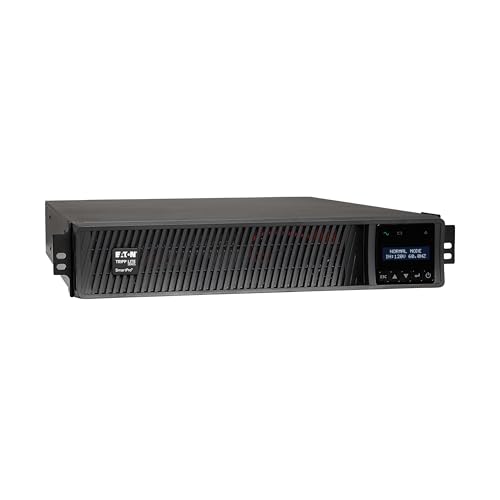
3000VA RACK MOUNT UPS: Battery backup features 3000W capacity, 7 outlets (one L5-30R and six 5-20R), and a 10ft power cord (L5-30P). Offers Pure Sine Wave output, Automatic Voltage Regulation (AVR), EMI/RFI noise filtering, and surge protection.

Bundle Items Include: Ethernet Cable + Wire Ties + Cleaning Kit

Easy Fit & Common Replacement — Designed to replace standard Group 24 battery for home UPS, security systems, sump pumps, RVs, trolling motors, and mobility wheelchairs. Size 10.76 × 8.46 × 6.61 in with T14 terminals ensures straightforward installation—please verify dimensions and terminal type before purchase
Frequently Asked Questions
What Maintenance Does an UPS Need?
A UPS requires routine maintenance including battery replacement, load testing, environmental monitoring, cable inspection, firmware updates, performance evaluation, surge protection, cooling system checks, visual inspections, and power audits to guarantee peak operation and longevity.
What Is the General Maintenance of UPS?
The symphony of maintenance for UPS requires regular testing, voltage regulation, and monitoring systems. Environmental factors influence UPS battery lifespan while adhering to battery replacement schedules and surge protection measures guarantees readiness against power quality issues and emergency preparedness.
How Often Should UPS Preventive Maintenance Be Done?
Preventive maintenance should occur annually, complemented by quarterly and semi-annual professional inspections. This schedule enables ideal battery health through visual checks, connection cleaning, load assessment, climate control, testing frequency, firmware updates, and thorough documentation practices.
What Is UPS Preventive Maintenance?
UPS preventive maintenance involves regular battery health checks, load testing, visual inspections of cable connections, cooling systems management, firmware updates, and staff training, all within ideal environmental conditions to guarantee power quality and timely battery replacement.


