As an Amazon Associate, we earn from qualifying purchases. Some links on this site are affiliate links at no extra cost to you. Our recommendations are based on thorough research and editorial judgment.


Understanding Cable Certification: USB‑IF and MFi Basics

USB-IF and MFi certifications guarantee the quality and safety of cables and accessories. USB-IF certification verifies compliance with performance and safety standards, allowing products to display an official logo after rigorous testing. MFi certification, created by Apple, validates compatibility and quality for accessories used with iPhones and iPads. Both certifications protect consumers from unreliable products while enhancing user experiences. Exploring these certifications further reveals essential insights about the products that meet these high standards.
Key Takeaways
- USB-IF certification evaluates the quality and reliability of USB devices, ensuring compliance with strict performance and safety standards.
- MFi certification, established by Apple, guarantees that accessories are compatible and have passed rigorous safety and performance testing.
- Certified cables enhance reliability and safety, protecting consumers from counterfeit products that may be substandard or unsafe.
- Recognizing genuine certifications involves looking for official logos like USB-IF and MFi, indicating adherence to industry norms.
- Prioritizing certified cables ensures optimal charging and data transfer compatibility, enhancing overall user experience.
What Is USB-IF Certification?
You may be interested


USB-IF Certification serves as a critical benchmark for evaluating the quality and reliability of USB devices. The USB Implementers Forum conducts this approval process, ensuring compliance with strict quality standards, performance standards, and safety standards. Certified cables and USB products undergo thorough testing for electrical and mechanical compliance, promoting interoperability with various hosts and devices. Successful certification allows products to display the USB-IF logo, highlighting their adherence to established protocol standards. This certification encompasses a diverse range of items, including high-quality cables, hubs, and chargers, all designed for reliable performance. By opting for USB-IF certified products, consumers can confidently reduce the risk of device damage and expect peak performance when using advanced USB technology. Additionally, these certifications ensure that cables can support fast charging capabilities, which is essential for users with high-capacity devices.
What Is MFI Certification?

MFi Certification, which stands for “Made for iPhone/iPad,” is an essential standard established by Apple to validate the quality and compatibility of third-party accessories and cables designed for Apple devices. This licensing program guarantees that products bearing the MFi logo have undergone rigorous testing, confirming their performance and safety for use with Apple gadgets. MFi-certified cables support features such as fast charging and data transfer, combating issues like overheating and potential battery damage. The certification process protects consumers by reducing the risk of counterfeit and substandard products, ultimately enhancing user experience. Manufacturers must apply for MFi Certification and adhere to Apple’s strict guidelines to maintain their use of the logo, assuring ongoing compliance with quality standards. Additionally, using MFi certified cables ensures compatibility with a wide range of Apple devices, enhancing reliability and performance.
Recommended Products

The Anker Advantage: Join the 50 million+ powered by our leading technology.

Up to 240W PD3.1 Fast Charging: Utilizing the advanced USB PD 3.1 fast charging protocol, our extension cable & short cables support high-speed charging up to 240W (48V 5A) output when used with a compatible charger, compatible with virtually any USB-C device from phones and tablets to laptops

DURABLE MATERIAL: Phone cable With 8000+times bend lifespan and integrated molding process, the nylon braided jacket is super smooth and comfortable, more durable than standard Phone charger cord.
Importance of Cable Certifications

Cable certifications play a key role in ensuring reliability and safety in technology accessories. Standards set by organizations like USB-IF guarantee compliance with performance and safety metrics. Certified cables undergo rigorous performance testing, enhancing product reliability and user experience through expected interoperability across various devices. This certification process not only signifies quality and performance but also helps consumers avoid counterfeit products, which often lack adequate durability and safety features. By selecting certified cables, users benefit from compatibility standards that secure peak performance while reducing risks associated with low-quality alternatives. In addition, purchasing certified cables often includes added advantages such as warranties and access to dedicated customer support, ultimately increasing consumer confidence in their technology investments. Furthermore, many certified cables, such as those from Anker’s durable design, reflect positive user experiences and reliability.
Recommended Products

【15KM (9.32 miles) Radio】E1 GNSS Surveying System supports up to 15KM range in base-rover mode, unaffected by network or environment. Can also connect to CORS/NTRIP for centimeter-level accuracy.
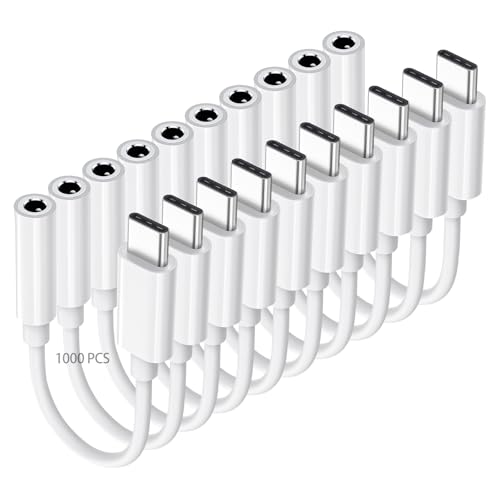
【Universal Compatibility】This headphone audio adapter compatible with most of the type c phones Compatible with iPhone 17/iPhone Pro/ iPhone 16/iPhone 16 Pro/ iPhone 15/ 15 Pro/ 15 Pro Max, Galaxy S21 Ultra/ S21 Plus/ S21 5G 2021, Google Pixel 5, 4, 4 XL, 3, 3 XL, 2, 2 XL, S20 FE 5F 2020, S20 5G, S20 Plus, S20 Ultra, Note 20, Note 20 Ultra, Note 10, Note 10+, Galaxy Tab S5e, Tab S6, Huawei P40 Pro, P30 Pro, P20 Pro, Mate 20 Pro, Mate 30 Pro, Mate 40 Pro, HTC, More.

This device is locked to AT&T only and not compatible with any other carrier.
Recognizing Genuine Certifications

How can consumers guarantee they are purchasing genuine certified cables? One effective way is by looking for the official logos and labels associated with recognized certifications like USB-IF and MFi. These markings indicate that the products have passed stringent testing standards, ensuring both quality and performance. USB-IF certification demonstrates adherence to industry norms, allowing manufacturers to use the logo only after successful evaluations. Similarly, MFi certification signifies compatibility with Apple devices, highlighting safe usage and dependable quality. To avoid counterfeit cables, consumers should prioritize these recognizable certifications, as non-certified products often lack the reliability and safety required for peak device performance. Certified cables offer enhanced user experiences and necessary manufacturer support, ensuring peace of mind and efficiency. Additionally, consumers should check for charging and transfer compatibility, as this ensures the cables meet the required specifications for optimal performance with their devices.
Recommended Products

This pre-owned product is not Apple certified, but has been professionally inspected, tested and cleaned by Amazon-qualified suppliers.

This device is locked to T-Mobile only and not compatible with any other carrier.

ALL YOU NEED: Everything you need to create a professional videography rig with headphone monitoring. Just add phone. Additional SE215 Earphones and fur windshield included.
Related Products and Resources

Purchasing certified cables is not only about understanding logos and labels; it also involves exploring a variety of related products designed to enhance performance and guarantee compatibility. USB-IF certification applies to high-speed USB cables, hubs, and chargers, ensuring adherence to strict electrical and mechanical standards. Additional products include the Ultra High Speed HDMI Certified 3-Pack, ideal for 8K performance, and the VESA Certified DisplayPort 2.1 Cable, which maximizes display technology compatibility. For Apple users, the MFi certification signifies superior performance with iPhones and iPads. Consumers can utilize the USB-IF integrators list as a valuable resource, providing a directory of certified cables and devices, thereby enabling informed purchasing decisions regarding compatibility and performance. Moreover, considering grounded plug adapters can further enhance safety during charging by preventing electrical issues with devices that require secure connections.
Frequently Asked Questions
What Does USB-IF Certified Mean?
USB-IF certification illuminates the path of technology evolution, ensuring cables meet industry standards. This seal of approval guarantees quality assurance, enhances device compatibility, and optimizes cable performance for reliable charging speed and data transfer, protecting consumers.
How to Tell if a Cable Is USB-IF Certified?
To determine USB-IF certification, check for the official logo, verify product descriptions, assess cable compatibility, and consult the USB-IF website. This promotes consumer awareness of quality assurance, ensuring adherence to industry testing standards and manufacturer guidelines.
What Does MFI Certified Mean?
MFi certified means accessories meet Apple’s stringent compatibility standards, ensuring ideal performance and greatly impacting safety. The MFi certification process involves rigorous testing, bolstering consumer trust and considerably affecting the market, despite licensing fees incurred by manufacturers.
What Is the Purpose of USB-IF?
The purpose of USB-IF mirrors a modern lighthouse, guiding USB standards evolution and ensuring data transmission, power delivery, and interoperability across devices, thereby addressing compatibility issues and fostering market trends for future developments in technology.


