As an Amazon Associate, we earn from qualifying purchases. Some links on this site are affiliate links at no extra cost to you. Our recommendations are based on thorough research and editorial judgment.


Line Conditioners Vs Voltage Regulators: What Each Solves

Power conditioners enhance overall power quality by filtering electrical noise and addressing voltage fluctuations, making them ideal for sensitive audio equipment. They often include surge protection features. In contrast, voltage regulators maintain a stable output voltage and protect devices from overvoltage or low voltage situations. Both are essential in environments with inconsistent power. Understanding these differences helps in selecting the right device for specific needs, guaranteeing peak performance and longevity of equipment. More insights await on how to secure effective integration.
Key Takeaways
- Line conditioners enhance power quality by filtering noise and addressing voltage fluctuations, making them ideal for sensitive electronics.
- Voltage regulators maintain a consistent output voltage, protecting equipment from low and high voltage scenarios.
- Line conditioners can alter waveform characteristics while voltage regulators stabilize existing waveforms.
- Both devices provide surge protection, but line conditioners often have additional filtering features to maintain clean power.
- Choosing between them depends on specific needs, such as noise filtration versus the need for precise voltage maintenance.
Understanding Power Conditioners
You may be interested


A power conditioner serves as an essential tool in modern electrical systems, specifically designed to enhance the quality of electrical power. By addressing voltage fluctuations and filtering out electromagnetic interference (EMI) and radio frequency interference (RFI), power conditioning guarantees that sensitive electronic equipment operates smoothly. This approach to power quality is particularly important in environments prone to electrical disturbances, such as homes with multiple devices. Additionally, many power conditioners include features like surge protection and isolation transformers, further safeguarding valued equipment. While they can modify voltage waveform characteristics, their primary function differs from voltage regulation, which solely stabilizes output voltage. Investing in high-quality power conditioning can significantly improve the reliability and performance of audio and electronic gear, contributing to peak operational efficiency. Moreover, selecting devices with surge protection ratings is crucial for ensuring the safety of sensitive electronics against power disturbances.
The Role of Voltage Regulators

Although often overlooked, voltage regulators play an integral role in maintaining the stability of electrical systems, especially in homes and businesses. These devices guarantee that equipment receives a consistent voltage, typically at either 120V or 240V, regardless of fluctuations in incoming power. Voltage regulators effectively safeguard sensitive electronic gear from low voltage and overvoltage situations, which can lead to permanent damage. Many models also include power conditioning features, enhancing surge protection and filtering, which improves overall power quality. They are particularly beneficial in environments where voltage fluctuates frequently, making them vital for protecting vintage gear and studio equipment. By stabilizing voltage, these regulators help prevent performance issues and secure reliability for connected devices. Additionally, advanced models often integrate Automatic Voltage Regulation (AVR) to enhance their protective capabilities further.
Key Differences Between Power Conditioners and Voltage Regulators

Understanding the key differences between power conditioners and voltage regulators requires examining their distinct functions and benefits in electrical systems. Power conditioners are designed to enhance overall power quality by filtering electrical noise and managing surges, while voltage regulators maintain consistent output voltage levels amid incoming fluctuations. This means that power conditioners can alter waveform characteristics, effectively addressing voltage spikes, whereas voltage regulators stabilize existing waveforms without modification. Additionally, power conditioners offer features like surge suppression and filtering of harmonics, making them ideal for sensitive electronic equipment. In contrast, voltage regulators are commonly utilized in applications, like automotive systems, where precise voltage maintenance is essential. The choice between the two largely depends on specific needs and environmental conditions, and understanding fast charging capabilities can help in selecting the right device for optimal performance.
Recommended Products

Furman F1500-UPS Home Theater Uninterruptible Power Supply with Battery Backup and Power Conditioner
Furman's exclusive SMP technology provides the highest level of surge and spike protection available.

-AC Current Capacity: Input - 15 Amp capacity required -Output - 11-15 Amps RMS (maximum, all outlets combined - continuous) -Linear Noise Attenuation: Transverse (Differential) Mode: ->40 dB from 10Khz. - 100 kHz. ->80 dB from 2 KHz. - 100 kHz. 1GHz.

120 volt, 15 amp with NEMA 5-15P plug and (10) 5-15R receptacles.
Applications of Power Conditioners

Power conditioners serve a variety of applications, particularly in environments where the integrity of electrical supply is vital. They are essential for high-end audio equipment, filtering out electrical noise and interference to guarantee clean power, which optimizes performance. In professional audio setups, these devices help reduce ground loop issues through the use of isolation transformers, thereby enhancing sound quality. Additionally, power conditioners protect delicate electronic equipment by shielding against voltage fluctuations, power surges, and EMI/RFI interference, making them invaluable in studio environments. Many models also feature voltage meters that continuously monitor incoming power levels, providing extra layers of safety. Beyond audio, power conditioners are beneficial for any sensitive electronics that require reliable and consistent clean power for operation. Moreover, understanding the wattage capacity of power conditioners ensures that they can adequately support the devices they’re meant to protect.
Applications of Voltage Regulators

Voltage regulators play an essential role in ensuring that electronic devices receive a consistent and stable output voltage, typically maintained at either 120V or 240V. These devices are vital for protecting sensitive equipment from damage due to low voltage or overvoltage scenarios. In environments like audio studios, voltage regulators mitigate the effects of input voltage fluctuations, which can adversely impact vintage gear. Additionally, many regulators incorporate features such as integrated surge protection, enhancing overall power supply quality by reducing electromagnetic interference (EMI). Common applications include automotive systems, where they stabilize battery charging despite varying alternator output. The Furman M-8X AR exemplifies the functionality of these regulators, maintaining voltage stability while protecting against electrical disturbances effectively. Moreover, incorporating surge protection features into voltage regulators can significantly enhance the safety and reliability of connected devices.
Recommended Products
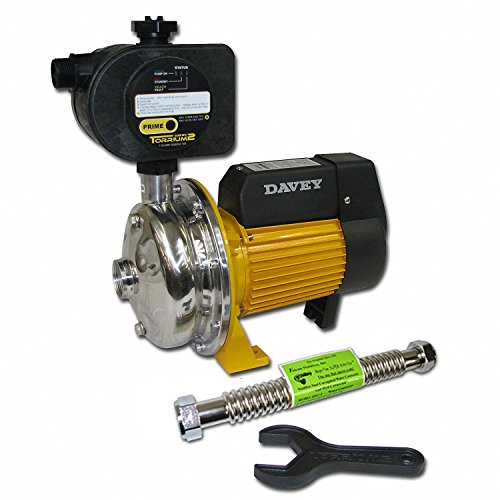
Pressure Boost = 50 psi (30 psi at 30 gpm)

Pressure Boost = 50 psi (30 psi at 20 gpm)

60A, 600V MPPT CONTROLLER: Morningstar TriStar Maximum Power Point Tracking (MPPT) 60A, 600V solar charge controller is perfect for larger solar systems with multiple panels or high-voltage outputs. It boosts energy output and accelerates charging times. Compatible with a wide variety of solar modules and array configurations, it ensures optimal energy harvest.
Choosing the Right Equipment for Your Needs
Selecting the right equipment for electrical stability and noise reduction involves careful consideration of individual needs and specific applications. Voltage regulating devices are essential in settings where consistent output voltage is crucial, particularly for sensitive equipment like tube amplifiers. These regulators guarantee stable voltage levels amid fluctuations. In contrast, power conditioners tackle a wider array of power quality issues, effectively filtering out interference and noise for high-end audio systems that demand clean power signals. For peak performance, users should note that models like the Furman AR 2306 offer specific input and output capacities, which affect compatibility with devices. A combination of both equipment types can provide a thorough solution, delivering voltage stability alongside noise filtering and surge protection. Additionally, understanding the importance of safety features in electrical devices can greatly enhance user experience and protect sensitive equipment from damage.
Recommended Products

Surge Protector with Input Voltage

11 protected and filtered outlets featuring exclusive Automatic Voltage Monitoring (AVM), Protect or Disconnect technology and Panamax Level 5 Noise Filtration.

Linear AC power conditioner
Integrating Power Surges and Voltage Stability Solutions
Securing ideal performance in audio setups necessitates a thoughtful approach to integrating devices that mitigate power surges and maintain voltage stability. Power conditioners primarily enhance overall power quality by filtering out electrical noise, including interference from electromagnetic and radio frequency sources. They effectively withstand high levels of interference, making them essential for sensitive audio equipment. Conversely, voltage regulators are vital for maintaining consistent voltage levels, protecting devices by adjusting fluctuations around the standard 120V or 240V. Integrating both solutions guarantees extensive protection against power surges and unstable voltage, which can cause damage over time. For vintage gear and sensitive systems, employing both a power conditioner and a voltage regulator is highly recommended for optimal performance and durability. Additionally, utilizing surge protectors with high Joule ratings ensures robust defense against voltage spikes that could compromise your audio equipment.
Recommended Products

Provides nine regulated, conditioned AC outlets-eight on the rear panel and one on the front

Advanced automatic voltage regulation corrects brownouts and overvoltages

Surge Protection: With 15A surge protection, this power conditioner protects your equipment from power surges and spikes.
Frequently Asked Questions
What Is the Purpose of a Line Conditioner?
A line conditioner serves to enhance power quality by mitigating voltage fluctuations and reducing electrical noise. It provides critical equipment protection, ensuring sensitive devices operate efficiently and safeguarding them from harmful disturbances in the power supply.
What Does a Line Voltage Regulator Do?
A line voltage regulator guarantees electrical stability by maintaining consistent line voltage, mitigating harmful voltage fluctuations. This enhances overall power quality, protecting sensitive equipment from damage and guaranteeing peak performance during critical operation periods.
What Two Events Can a Power Line Conditioner Compensate For?
A power line conditioner compensates for voltage sags and transient spikes, improving power quality. It effectively reduces electrical noise, ensuring stable operation of sensitive equipment while protecting against potentially harmful voltage fluctuations during power disturbances.
Do Power Conditioners Improve Sound Quality?
Power conditioners greatly improve sound quality by minimizing electrical interference, enhancing audio performance, and ensuring clean power delivery. Additionally, they promote equipment longevity through surge protection and consistent voltage levels, benefiting high-end audio systems.


