As an Amazon Associate, we earn from qualifying purchases. Some links on this site are affiliate links at no extra cost to you. Our recommendations are based on thorough research and editorial judgment.


Building a Compact Travel Charging Kit: Cable and Hub Tips

A compact travel charging kit enhances power management by including high-quality 3ft cables, a universal adapter with at least 45W output, and a versatile charging hub capable of charging multiple devices simultaneously. A portable power bank, such as the Anker PowerCore II Slim 10000, guarantees backup power on long trips. Organizing cables in a durable case and conducting regular inventory checks promotes efficiency. By utilizing these strategies, travelers can optimize their charging experience while minimizing hassle. Additional tips can amplify setup efficiency.
Key Takeaways
- Choose high-quality, durable cables like Anker’s PowerLine II to ensure reliability and reduce clutter in your travel kit.
- Include a multifunctional USB hub to charge multiple devices simultaneously, enhancing efficiency during travel.
- Opt for a universal adapter with at least 45W USB-C output to accommodate various global power requirements.
- Use packing cubes with mesh tops to organize and provide visibility, preventing tangled cables and accessories.
- Regularly check your inventory to maintain a compact collection and prevent duplication of cables and adapters.
The Importance of a Compact Charging Kit
You may be interested


How essential is a compact charging kit for modern travelers? A well-designed compact charging kit maximizes efficiency by including a universal travel adapter, high-quality charge cables, and a portable battery. This setup minimizes excess weight while ensuring that multiple devices can be charged simultaneously through high-speed USB ports. Durable cables, such as Anker’s PowerLine II, provide reliability and long-term savings, reducing the need for frequent replacements. Additionally, a portable power bank with at least 10,000mAh capacity is vital for maintaining device power during long travel days or in locations with limited outlets. Regular inventory checks help keep the charging kit organized, preventing duplication of cables and adapters, thereby promoting a streamlined approach to mobile power management. Moreover, understanding charging capabilities and compatibility ensures that all devices are adequately powered regardless of their respective charging needs.
Essential Components of Your Charging Kit

A well-rounded travel charging kit includes several essential components that cater to various needs for modern travelers. It should contain high-quality charging cables, such as the 3ft Anker PowerLine II Lightning Cables, which guarantee reliability while reducing clutter. Additionally, a universal adapter with at least 45W USB-C output is crucial for meeting diverse global power requirements. A powerful portable battery, like the Anker PowerCore II Slim 10000, offers 10,000mAh capacity to recharge devices multiple times without adding much weight. Incorporating a USB hub allows users to charge up to seven devices simultaneously, streamlining the travel experience. Finally, conducting regular inventory checks helps to maintain a minimalist approach by avoiding unnecessary duplicates in cables and adapters. Furthermore, selecting cables with fast charging capabilities ensures efficient power delivery for high-capacity devices during travel.
Recommended Products

DJI Authorized - Includes Full USA Warranty + 2 Year CPS Extended Warranty | DJI Mavic 4 Pro | MASTER ANY SHOT WITH A PRO-GRADE TRIPLE CAMERA SYSTEM - The massive 100MP 4/3 CMOS Hasselblad main camera delivers breathtaking detail and true-to-life color, while 2 telephoto lenses unlock dramatic zoom and cinematic perspectives. Advanced features like Dual Native ISO and RAW stacking ensure unparalleled image quality and dynamic range, giving you the power of an entire camera bag in the sky.
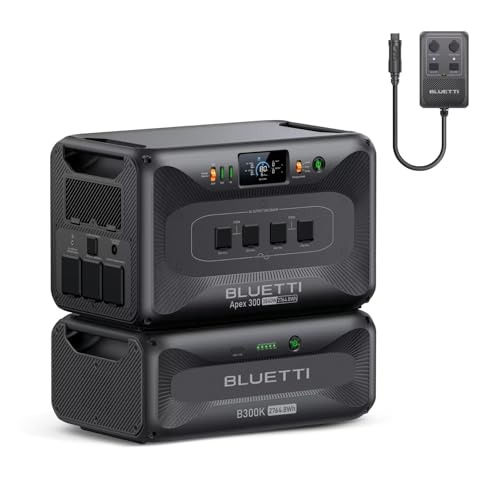
[All-Scenario Power] - Apex 300 (2764.8Wh, 3840W) keeps homes lit, RVs rolling & off-grid sites running. Parallel 2-3 units (5.5-8.3kWh), expand to 58kWh with B300K. Never powerless.

[All-Scenario Power] - Apex 300 (2764.8Wh, 3840W) keeps homes lit, RVs rolling & off-grid sites running. Parallel 2-3 units (5.5-8.3kWh), expand to 58kWh with B300K. Never powerless.
Choosing the Right Carrying Case

When it comes to maintaining an organized travel charging kit, selecting the right carrying case plays a significant role. Prioritize cases that offer organization and visibility; options like packing cubes with mesh tops help users identify contents quickly. A carrying case made from high-denier nylon provides durability, reducing wear and tear during travel while keeping weight below 200 grams. It is crucial to choose a case with compartments or elastic bands to prevent cables and chargers from tangling, minimizing the risk of damage. Additionally, consider cases with features like water resistance or shock absorption to protect charging gear against various travel conditions. These attributes guarantee that your charging kit remains functional and secure throughout your journeys. Moreover, ensuring your gear is protected from electrical spikes can enhance the longevity of your devices, making surge protection essential for sensitive electronics during travel.
Recommended Products

Package Includes: (2) Mackie SRM450V3 12" Powered Speakers Totaling 2000 Watts. (2) Mackie Travel Speaker Bags For Srm450-V3. (1)RockvilIe PRO-M50 Studio Headphones w/ Detachable Coil Cable, Case+Extra Ear Pad. (2)RockvilIe RMM-XLR Dynamic Cardiod Professional Metal Microphone W/10' XLR Cable. (2) RockvilIe RCXFM20E-B 20 Foot Nickel Plated Female to Male XLR Microphone Cable. Features: Mackie SRM450V3 SRM450-V3 1000 Watt 12 Powered Active PA Speaker. Power Handling 1000W Peak / 500W RMS

DELUXE WARDROBE LUGGAGE - Bring your formal wardrobe around the world with the Baseline Deluxe Wardrobe Spinner. This extra large garment bag with wheels makes it easy to transport six to eight pieces

Premium Travel Suitcase: Splitcase zip entry to main compartment, Built-in TSA combination dual lock, Built in USB-C charging port (supports up to 65W USB-C 2.0 cables and fast charging up to 65W 3A), Large front U-zip pocket, Front U-zip pocket, Front straight-zip pocket, Zip expansion (up to 2” or 5 cm), Retractable carry handles, Bottom grab handle
Organizing Cables and Accessories

Organizing cables and accessories effectively enhances the travel experience by minimizing clutter and ensuring quick access to essential charging tools. Using durable, 3ft cables helps reduce tangling while ensuring versatility for various USB charging scenarios. It is also beneficial to designate a specific packing cube or pouch for cables, ideally using color-coded items to simplify identification and eliminate duplicates. Regular inventory checks on charging supplies maintain an organized collection and confirm that products are functioning correctly. Additionally, incorporating magnetic wireless chargers can enhance accessibility, providing rapid charging without the hassle of plugged connections. By employing these strategies, travelers can streamline their cable management and enhance the overall efficiency of their charging setup. Furthermore, using customizable lengths for cable management solutions can further optimize space and organization within your travel kit.
Selecting a Versatile Charging Hub

Selecting the right charging hub is essential for efficient travel, especially as technology demands an increasing number of devices. A versatile charging hub should feature multiple USB ports, ideally accommodating at least seven devices simultaneously, to reduce clutter. Choosing models with GaN (gallium nitride) technology guarantees faster charging speeds in a compact design, perfect for on-the-go use. Additionally, the hub must support both 5V and USB-C outputs for compatible charging of laptops and smartphones. Opting for an integrated power adapter negates the need for bulky AC adapters, maintaining a streamlined travel kit. Finally, a lightweight design enhances portability, making it a practical choice for any traveler needing a reliable charging station or power bank. Many models also incorporate built-in safety features, ensuring protection against overheating and overcharging, which is crucial for safeguarding your devices during travel.
Recommended Products

SMALL AND MIGHTY — Measuring 2.44" x 3.03" x 1.26" and weighing 0.35g this GaN charger is pocket sized and 48% smaller than other USB-C chargers

𝗗𝗲𝘀𝗶𝗴𝗻𝗲𝗱 𝗳𝗼𝗿 𝗠𝘂𝗹𝘁𝗶-𝗗𝗲𝘃𝗶𝗰𝗲 𝗖𝗵𝗮𝗿𝗴𝗶𝗻𝗴 – Power laptops, tablets, and phones simultaneously with 6 ports and up to 200W total output. GaN technology delivers efficient, intelligent charging in a compact desktop design with smart auto-detection for each connected device.

7-IN-1 USB-C HUB: This multifunctional Belkin hub accounts for all your connection needs, built for fast and convenient connectivity with 7 ports including 2x USB-A, 4K HDMI, and USB-C 100W ports so you can get the most out of your laptop's USB-C port.
The Role of Portable Power Banks
Portable power banks play a significant role in maintaining device functionality while traveling, complementing charging hubs effectively. To guarantee adequate charging capacity, travelers should seek power banks with a minimum of 10,000mAh, capable of recharging smartphones multiple times. Opt for models featuring USB-C ports to enhance compatibility and achieve faster charging rates for various devices, including laptops. A desirable travel power bank should be lightweight, ideally around 210g, and have a slim profile for easy portability. Selecting power banks that support fast charging technology allows devices to recharge quickly, which is vital during busy travel schedules. Finally, consider the number of output ports available to enable simultaneous charging for multiple devices without compromising performance. Many models offer multi-device charging capabilities, ensuring that all your essential devices remain powered throughout your journey.
Recommended Products

[17.2 lbs Ultra-Light] Our OptiSolex 440W Solarbag is 𝟕𝟓% 𝐬𝐦𝐚𝐥𝐥𝐞𝐫 and 𝟔𝟐% 𝐥𝐢𝐠𝐡𝐭𝐞𝐫 than comparable 400W systems, freeing up space for your essential gear so you no longer ave to choose between solar panels and your cooler.
![[FishPRO® 𝟐𝟎𝟐𝟔 New] [Adjustable Focus] NO.1 HD 1080P Underwater Fishing Camera 7'' IPS, w/DVR-32GB -10,000mAh, Ice Fishing Camera Underwater, Fish Finder for Boat Ice Lake Fish, USB-C/LED+IR/82FT](https://m.media-amazon.com/images/I/51IP2uKdJ9L._SL500_.jpg)
【2026 NEW Exclusive Optical Adjustable Tech】 Powered by FishPRO exclusive optical adjustable tech, FocusX fishing camera move its focus and zoom lens groups to expand the focal range from 0.4" to 19.6"—far beyond the fixed 3.9" of traditional fish cameras, which only stay clear at 3.9"–9.8" in clean water and blur in murky conditions. FocusX delivers true 0.4"–∞ clarity: 0.4" for close fish details, 3.9" for bite capture, and 19.6" for long-range scouting—Be PRO on the ice with a simple click.
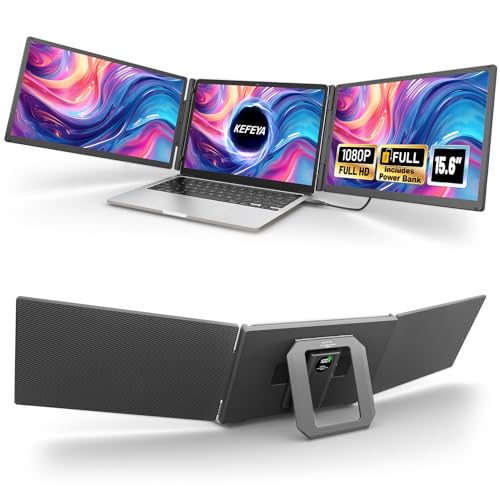
🚀【Triple-Screen Productivity Unleashed】Effortlessly expand workspace with 15.6" Laptop Screen Extender - single-cable connectivity (Type-C/USB-A). Ideal for spreadsheet management, coding marathons, or extended video calls while maintaining primary screen functionality. Boost efficiency with seamless multi-device workflow.
Best Practices for Cable Management
Maintaining an organized charging setup is essential for efficient travel, especially when multiple devices are involved. To optimize cable management, users should choose durable, 3ft cables, which minimize clutter while ensuring adequate reach. Storing cables in a dedicated pouch or organized packing cube keeps them visible and prevents duplication. Regular assessments of charging gear help identify excess or unused cables, adhering to minimalist principles for a streamlined kit. Additionally, opting for a USB hub or multi-port charger consolidates multiple charging options, thereby reducing the number of AC adapters needed. Implementing color-coding or labeling for cables enhances organization, enabling quick identification of compatible devices, further improving efficiency in any travel scenario. Using a hub with dedicated charging ports can also improve the charging speed and efficiency for multiple devices in your travel kit.
Tips for Traveling With Your Charging Kit
When planning to travel with a charging kit, it is essential to prioritize efficiency and organization to guarantee devices remain powered throughout the journey. Using a universal travel adapter with multiple USB ports streamlines charging options, accommodating various devices worldwide. High-quality charging cables, such as Anker’s PowerLine II, offer durability and a lifetime warranty, making them a reliable choice. Incorporating a portable battery like the Anker PowerCore Lite 10000mAh provides essential backup power, reducing reliance on available wall outlets. To keep charging accessories organized, employing a compact cable storage solution, such as a packing cube, prevents tangling and duplication. Regularly evaluating the kit ensures unnecessary items are removed, helping maintain a minimalist approach while traveling. Additionally, opting for high-quality USB-C cables can enhance the performance of devices during travel, ensuring optimal charging speeds and reducing wear and tear.
Recommended Products

🔥𝐞𝐀𝐡𝐨𝐫𝐚 𝐑𝐨𝐦𝐞𝐨 𝐏𝐫𝐨 𝟑 -- 𝟲𝟬𝟎𝟎𝐖 𝐃𝐮𝐚𝐥 𝐌𝐨𝐭𝐨𝐫 | 𝟓𝟮𝐌𝐩𝐡|𝟯𝟬𝟬𝗡.𝗠 | 𝟔𝟎𝐕 𝟖𝟎𝐀𝐡 𝐁𝐚𝐭𝐭𝐞𝐫𝐲 | 𝟯𝟬𝟬 𝐌𝐢𝐥𝐞𝐬 𝐋𝐨𝐧𝐠 𝐑𝐚𝐧𝐠𝐞🔥

Briefcase Design for on the go

Intel Ultra 7 258V Processor: 8-core performance with a 2.2GHz base clock and 4.8GHz boost, featuring 12MB SmartCache and integrated Intel Arc 140V graphics.
Maintaining Your Minimalist Charging Setup
An organized and efficient charging setup can greatly enhance the travel experience, allowing individuals to focus on their journey rather than technical difficulties. To maintain a minimalist charging kit, regularly assess cables and adapters to prevent duplication, which can cause clutter. A compact universal travel adapter, such as the CARD Travel Adapter 4-Pro, provides multiple USB outputs and weighs only 155g, ensuring a lightweight configuration. Investing in high-quality cables, like Anker PowerLine II Lightning Cables with a lifetime warranty, guarantees durability and reduces the need for replacements. Using a packing cube or transparent bag helps to organize and visually manage charging components, simplifying identification and use. Periodically reevaluate gear for compatibility with new devices to avoid unnecessary additions. Additionally, consider incorporating a compact UPS model to safeguard your devices during unexpected power interruptions.
Frequently Asked Questions
How to Create an EV Charging Station?
Creating an EV charging station symbolizes the bridge to the future of electric vehicle infrastructure. Thoughtful charging station design incorporates renewable energy integration, ensuring efficient performance while adhering to building regulations and enhancing sustainable energy use.
How Can I Make a Homemade Power Bank?
To create a DIY power solution, one must gather components like a lithium-ion battery and USB circuit board. Following battery storage tips, they can assemble a portable charging option, ensuring safety and functionality through careful connections.
How to Make a Mobile Charging Station?
Approximately 67% of travelers seek portable charging solutions. To create a mobile charging station, integrate multi-device chargers, incorporate high-quality cables, and include dividers for organization to meet travel charging essentials efficiently and effectively.
How to Make a Nightstand Charging Station?
To create a nightstand charging station, prioritize efficient nightstand design featuring cord management solutions. Incorporate charging organization with a compact power strip and utilize adhesive clips to keep cables tidy and accessible for multiple devices.


