As an Amazon Associate, we earn from qualifying purchases. Some links on this site are affiliate links at no extra cost to you. Our recommendations are based on thorough research and editorial judgment.


Brownouts Vs Sags Vs Surges: Symptoms and Mitigations

Brownouts, voltage sags, and surges each cause distinct power issues that can harm electronics. Brownouts involve a voltage drop of 10-25%, leading to flickering lights and potential equipment failure. Voltage sags cause momentary reductions in voltage, risking data loss for sensitive devices. Surges exceed normal voltage by more than 10%, potentially damaging electronic components. Mitigation strategies include using Uninterruptible Power Supply (UPS) systems and surge protectors to enhance equipment safety. Understanding these differences can markedly improve power reliability.
Key Takeaways
- Brownouts cause sustained voltage drops (10-25%), leading to flickering lights and potential device malfunctions.
- Voltage sags result in temporary voltage reductions, risking shutdowns and data loss for sensitive equipment.
- Voltage surges exceed 10% of normal voltage, threatening electronic components with overheating and operational disruptions.
- Mitigating brownouts involves using Uninterruptible Power Supply (UPS) systems and voltage regulators to maintain consistent voltage levels.
- Surge protectors are essential for preventing damage from voltage surges by redirecting excess voltage safely.
Understanding Brownouts
You may be interested


A brownout represents a significant electrical phenomenon characterized by a sustained drop in voltage, typically falling between 10-25%. Unlike brief voltage dips, brownouts endure for minutes to hours, leading to operational issues for sensitive electronic devices. During such events, these devices may malfunction due to inadequate voltage, resulting in premature wear and potential data loss, particularly in computer disk drives that experience write failures. Brownouts often arise from heavy power draw or inadequate utility service, frequently exacerbated by severe weather conditions affecting electricity demand. The noticeable effects include flickering lights, indicating a sustained voltage deficiency. Unlike temporary fluctuations, a brownout represents a troubling condition that can disrupt normal device functionality and overall household performance. Effective surge protectors with high Joule ratings can help mitigate the risk of damage during these voltage drops.
Recommended Products

AudioQuest PowerQuest 3 8-Outlet Power Conditioner & Non-Sacrificial Surge Protector (North America)
Complete Protection from Surges and Spikes

12 Grounded Outlets: Power multiple tools, devices, or electronics from one central location. Ideal for workbenches, AV setups, and server rooms.

Enhanced Safety Alerts: Stay ahead of electrical issues by receiving timely wireless fault alerts, ensuring your camper is always protected from unexpected power anomalies.
Symptoms of Brownouts

Symptoms of brownouts manifest through various noticeable signs that can impact the performance of electrical devices. A brownout involves a voltage drop of 10-25% below normal levels, leading to flickering lights and dimming of incandescent bulbs. Sensitive equipment, such as computers and disk drives, may suffer write failures and data loss due to inadequate voltage. Additionally, electric motors can overheat while maintaining the same horsepower, heightening the risk of premature failure and presenting operational inefficiencies. Prolonged brownouts pose lasting risks, as they can cause damage to electrical systems and shorten equipment lifespan. Early detection and mitigation strategies are crucial to protect devices from these detrimental effects and guarantee smoother operation during low voltage conditions. High-quality subwoofer cables can also help reduce interference and enhance the performance of audio systems during power fluctuations.
Causes of Brownouts

Understanding the causes of brownouts reveals vital insights into electrical system dynamics and power management. Brownouts occur when voltage levels drop by 10-25% due to excessive power demand, often during peak usage periods. This drop can last from minutes to hours, disrupting sensitive electronic equipment. Common contributors to brownouts include inadequate utility service and heavy power draw from industrial sectors. Additionally, systemic failures within the electrical grid exacerbate the issue. Unlike brief voltage sags, prolonged brownouts lead to operational inefficiencies and potential equipment damage. The repeated occurrence of brownouts can greatly shorten the lifespan of appliances, particularly those reliant on precise voltage levels, such as computers and medical devices, which are vital in various settings. Implementing surge protectors with high joule ratings can help safeguard devices during voltage fluctuations and mitigate damage.
Recommended Products


Continuously monitors for and displays voltage and amp draw (RMS)
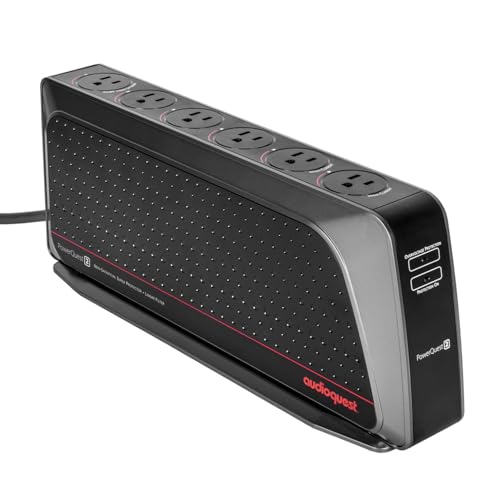
4K/8K Video Optimized Linear Filter: Best when connected to video screens televisions projectors or universal players.
Mitigating Brownouts

Mitigating brownouts requires a strategic approach to managing electrical demands and ensuring reliable power supply. Installing Uninterruptible Power Supply (UPS) systems is essential, as these devices keep critical equipment operational during voltage drops lasting from minutes to hours. Regularly monitoring power consumption helps identify potential brownout risks, allowing for proactive load reduction during peak demand. Voltage regulators can maintain consistent voltage levels, preventing equipment malfunctions linked to brownouts. Utilizing energy-efficient technologies decreases overall power consumption, subsequently lowering the chances of brownouts. Additionally, educating staff on brownout impacts promotes practices to power down non-essential equipment during anticipated voltage drops, effectively protecting sensitive systems. Implementing these measures can notably improve power management and enhance electrical infrastructure reliability. Moreover, selecting a UPS with line interactive technology can provide better management of power fluctuations, ensuring stable performance during brownouts.
Recommended Products

All-Weather Durability: Pro-Tect tested and proven to withstand up to 9,200 pounds or 30 inches of snow load, and winds up to 100 mph (product must be anchored as specified in the Backyard Discovery instruction manual); Patent pending

Large 5000VA/4000W output capacity with full-time sine wave output offers guaranteed compatibility with all equipment types

5000VA/4500W Sinewave Uninterruptible Power Supply (UPS): Uses sine wave output to provide battery backup power for Active PFC & conventional power supplies; REMOTE MANAGEMENT: Requires optional RMCARD205 management card (sold separately)
Exploring Voltage Sags

Voltage sags, often referred to as dips, present significant challenges to both residential and commercial systems, especially when they occur unexpectedly. These temporary reductions in voltage, lasting longer than half a cycle but under a minute, can severely impact electrical equipment. Sensitive devices, such as computers and medical systems, may experience equipment malfunction or data loss due to voltage sags, particularly when triggered by sudden changes in load demand or grid faults. Increased current draw during these events can strain power supply units, leading to overheating and potential failures. Mitigating strategies, including the use of uninterruptible power supplies and voltage regulators, can provide essential support, ensuring continuous operation even during these voltage dips, thereby protecting critical equipment from damage. Additionally, implementing devices with overload protection can help safeguard against the adverse effects of voltage sags.
Symptoms of Voltage Sags
Symptoms associated with voltage sags can manifest in various forms, often making their presence known through observable effects on electrical equipment. Voltage sags, defined by a temporary drop in voltage, can lead to dim lights and increased operational inefficiencies. Sensitive equipment, particularly computers and healthcare devices, may experience unexpected shutdowns or system restarts during these voltage fluctuations. The risks of critical data loss are heightened, especially for devices like computer disk drives that are actively writing data. Furthermore, non-linear loads tend to struggle more with these fluctuations, leading to performance degradation. Additionally, overheating motors are a common symptom due to increased strain during a voltage sag, presenting further challenges for equipment maintenance and reliability. Implementing surge protectors with high joule ratings can greatly mitigate the impact of voltage sags on sensitive equipment.
Causes of Voltage Sags
How do voltage sags occur, and what factors contribute to these electrical disturbances? Voltage sags typically result from sudden changes in load demand, such as the starting or stopping of large motors, which leads to transient power fluctuations. In addition, grid faults, including outages and short circuits, greatly impact voltage stability within the electrical supply. Moreover, switching operations that activate or deactivate industrial equipment can create abrupt shifts in voltage levels, contributing to these disturbances. According to IEEE Standard 1159, voltage sags last longer than half a cycle but do not exceed one minute. Common symptoms of voltage sags include dim lights and unexpected shutdowns of sensitive equipment, which can lead to operational inefficiencies for businesses relying on stable power. When experiencing voltage sags, using heavy-duty extension cords can help maintain power stability and protect sensitive devices from damage.
Recommended Products

2200VA/2200W Smart App Sinewave Uninterruptible Power Supply (UPS): Uses sine wave output to provide battery backup power for Active PFC & conventional power supplies; REMOTE MANAGEMENT: Pre-installed RMCARD205 management card

3000VA/3000W 30A Smart App Sinewave Uninterruptible Power Supply (UPS): Uses sine wave output to provide battery backup power for Active PFC & conventional power supplies; REMOTE MANAGEMENT: Pre-installed RMCARD205 management card

Mitigating Voltage Sags
To effectively mitigate voltage sags, organizations can implement a range of practical solutions that enhance power stability. Utilizing an Uninterruptible Power Supply (UPS) guarantees continuous power for sensitive equipment during brief voltage drops. Power conditioning devices, such as voltage regulators, stabilize voltage levels, boosting equipment performance and guarding against operational disruptions. Regular maintenance of electrical systems can identify issues that lead to voltage sags and facilitate timely interventions. In addition, employing surge protectors with a high joule rating protects electronic devices from the stress associated with voltage sags, thereby reducing premature wear. By monitoring power quality and utilizing real-time data analysis, organizations can become more resilient to voltage sag incidents, ultimately improving reliability and operational efficiency. Furthermore, using surge protectors with UL certification ensures adherence to safety standards and enhances consumer confidence in protecting valuable electronics.
Recommended Products

11 protected and filtered outlets featuring exclusive Automatic Voltage Monitoring (AVM), Protect or Disconnect technology and Panamax Level 5 Noise Filtration.

Advanced automatic voltage regulation corrects brownouts and overvoltages

2400W LINE CONDITIONER: Corrects voltage output by boosting undervoltages by 9%, reducing overvoltages by 10%, and boosting severe undervoltages by 19%. EMI/RFI filter removes up to 80 dB of line noise for audio equipment and other sensitive electronics.
Analyzing Voltage Surges
Voltage surges, which occur when electrical voltage levels suddenly exceed normal thresholds by more than 10%, pose significant risks to sensitive electrical equipment. These surges can arise from lightning strikes, abrupt load changes, or utility switching operations, leading to potential damage. They often last from microseconds to seconds, which can harm electronic components and result in data loss. Utilizing surge protectors as protective devices is essential for effective mitigation against these voltage spikes. These devices absorb or redirect excess voltage to prevent irreversible damage and system malfunctions. If left unaddressed, voltage surges can lead to equipment overheating and reduced lifespan, emphasizing the importance of robust protective measures in maintaining electrical integrity and functionality. Models with higher joule ratings provide enhanced protection against these surges, ensuring better safety for valuable electronics.
Frequently Asked Questions
What Is the Difference Between a Sag and a Brownout?
A sag involves brief voltage dips caused by power fluctuations, while a brownout is a prolonged decrease in voltage. Both affect electrical safety, appliance sensitivity, and power quality, impacting energy efficiency and equipment lifespan due to utility interruptions.
What Is the Difference Between a Brown Out and a Surge?
A brownout involves sustained voltage drops affecting equipment stability, while a surge presents brief voltage spikes that can cause immediate damage. Effective power management through safety measures guarantees electrical appliances operate reliably amidst power fluctuations, enhancing grid reliability.
What Are the First Signs of a Brownout?
The first signs of a brownout include flickering lights, abnormal appliance behavior, and noticeable voltage drops. Multiple occurrences may indicate prolonged duration, prompting consumers to monitor energy usage and alert utilities to mitigate impacts on electrical devices.
Does a Surge Protector Protect Against Brownouts?
Surge protectors do not protect against brownouts, which involve power fluctuations and voltage drops. For electrical safety and device efficiency, additional protective devices, such as UPS systems, are essential for managing brownout effects and preventing equipment damage.


