As an Amazon Associate, we earn from qualifying purchases. Some links on this site are affiliate links at no extra cost to you. Our recommendations are based on thorough research and editorial judgment.


Do Surge Protectors Prevent Electrical Fires? Risk Factors Explained

Surge protectors help reduce the risk of electrical fires by limiting transient overvoltage that can damage devices and wiring. They contain components like metal oxide varistors and thermal disconnects, which enhance safety by redirecting excess voltage. However, they do not prevent fires caused by overloads or short circuits. Low-quality units may increase fire hazards, so it is vital to select models with high joule ratings and proper certifications. Understanding their limitations can inform better safety practices. More insights on selecting surge protectors follow.
Key Takeaways
- Surge protectors limit transient overvoltage, reducing electrical failures that can lead to fire risks.
- They help prevent insulation breakdown, thus minimizing the chances of spark formation.
- High-quality surge protectors include thermal disconnects to shut off power during overheating, enhancing safety.
- Regular inspection and replacement of surge protectors are crucial to ensure they remain effective in fire prevention.
- However, surge protectors do not prevent fires caused by overloads or short circuits, requiring additional safety measures.
Understanding Power Surges and Their Causes
You may be interested


Although power surges are often short-lived, lasting only microseconds, their potential to cause significant damage to home electronics cannot be overlooked. These voltage spikes can arise from various common causes, including lightning strikes, grid fluctuations, and high-powered appliances cycling on and off. Such surges can travel through electrical systems, increasing the risk of overheating and potentially damaging devices beyond repair. Faulty wiring amplifies the likelihood of these occurrences, underscoring the necessity of regular inspections for electrical safety. By understanding common risk factors associated with power surges, homeowners can better implement a surge protection system. Surge protectors act as crucial barriers, safeguarding sensitive electronics from damage caused by unexpected voltage spikes. Investing in a surge protector with a high joules rating is essential for maximizing protection against these dangerous fluctuations.
Recommended Products

AudioQuest PowerQuest 3 8-Outlet Power Conditioner & Non-Sacrificial Surge Protector (North America)
Complete Protection from Surges and Spikes

12 Grounded Outlets: Power multiple tools, devices, or electronics from one central location. Ideal for workbenches, AV setups, and server rooms.

Enhanced Safety Alerts: Stay ahead of electrical issues by receiving timely wireless fault alerts, ensuring your camper is always protected from unexpected power anomalies.
The Functionality of Surge Protectors

Surge protectors play an essential role in safeguarding electronic devices from the damaging effects of power surges. They function by detecting excess voltage and redirecting it to the ground, thereby mitigating electrical surges. Key components like metal oxide varistors (MOVs) and gas discharge tubes absorb excess energy, protecting devices during voltage spikes. Quality surge protectors often have a joule rating of 2000 or more, indicating their capacity to absorb energy, while a clamping voltage of 400 volts or lower enhances their protective capabilities. Additionally, many models feature thermal disconnects that enhance safety measures by shutting off power if overheating occurs. While they markedly reduce risks to devices, they do not prevent electrical fires related to overloaded circuits or faulty wiring.
Recommended Products


Continuously monitors for and displays voltage and amp draw (RMS)
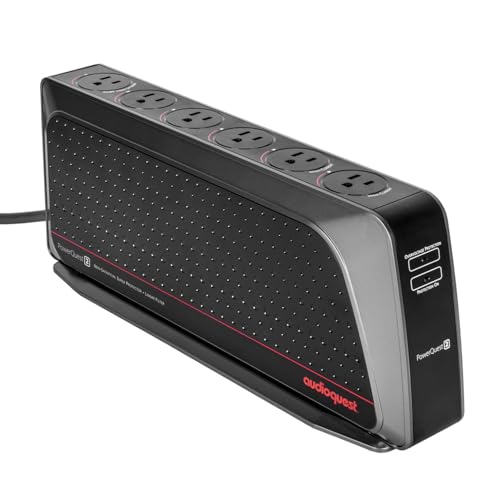
4K/8K Video Optimized Linear Filter: Best when connected to video screens televisions projectors or universal players.
How Surge Protectors Mitigate Fire Risks

To effectively mitigate fire risks, surge protectors are engineered to limit transient overvoltage by diverting excess energy safely to the ground. This energy diversion helps prevent insulation breakdown and spark formation, which could lead to dangerous electrical failures. High-quality surge protectors are equipped with thermal disconnect mechanisms that cut power when protective capabilities are compromised, considerably reducing overheating risks. By quickly discharging surge energy, these devices act as a first line of defense against electrical fires. Regular inspection and timely replacement of aging surge protectors are essential to maintain their effectiveness in preventing electrical fires. Defective units pose fire hazards due to potential thermal runaway, highlighting the importance of proper maintenance for safety and reliability. Additionally, models with higher joule ratings offer enhanced protection against surges, ensuring better safety for connected devices.
Recommended Products


RACKMOUNT ISOBAR SURGE PROTECTOR: Rack-mount surge strip helps protect Audio/Video, IT hardware, and other electronics from dangerous surges & line noise. Features 12 outlets in exclusive isolated filter banks, 2 front 15A and 10 rear 20A outlets.

DESIGNED FOR DATA CENTER & IT ENVIRONMENTS Engineered for data centers, server rooms, network closets, and MSP deployments, delivering stable 200–240V single-phase power for mission-critical IT infrastructure.
Limitations and Risks of Surge Protectors

Many consumers may not realize that surge protectors possess inherent limitations and risks despite their vital role in electrical safety. While they primarily limit transient overvoltage and divert excess energy, they do not prevent electrical fires caused by overloads or short circuits. Aging surge protectors can become fire hazards if they fail, emphasizing the need for regular inspections. Additionally, low-quality surge protectors may lack essential features like thermal disconnects or fuses, increasing susceptibility to overheating. To effectively mitigate fire risks, these devices should be complemented with circuit breakers and regular maintenance of electrical systems. Understanding these limitations is fundamental in deploying effective safety measures to protect against potential fire hazards associated with outdated or defective surge protectors. Furthermore, ensuring surge protectors have a high surge protection rating is crucial for safeguarding valuable electronics.
Identifying Signs of Aging or Failure in Surge Protectors

While routine inspections can guarantee electrical equipment remains safe, identifying signs of aging or failure in surge protectors is crucial for maintaining ideal protection. Common indicators include discoloration of the indicator window, which may suggest compromised functionality. Reduced performance can be observed when alarm records don’t respond adequately after a surge, signaling the protector has reached its effective limit. Physical damage, such as frayed cords or signs of overheating, necessitates immediate inspection and possible replacement. Additionally, odd smells or flickering status lights warrant attention during routine checks. Surge protectors equipped with thermal disconnect features can pose hazards if they age without upkeep, potentially leading to overheating and fire, emphasizing the importance of diligent inspection for effective fire protection. Regular checks should also consider the durability ratings of the surge protectors to ensure optimal performance over time.
Recommended Products

1500VA/900W UPS: Eight NEMA 5-15R outlets provide reliable UPS battery backup & surge protection for servers, computers, and peripherals. The six-foot NEMA 5-15P input power cord ensures easy connection to compatible AC outlets

POWERFUL PROTECTION: Includes our proven Super Antioxidant Complex and Broad Spectrum SPF 15 sunscreen.
Selecting High-Quality Surge Protectors for Safety
Selecting high-quality surge protectors is essential for safeguarding electronic devices from unexpected power surges, especially considering the varied environments in which these devices operate. To effectively protect your home, choose surge protectors with a joule rating of 2000 or higher, ensuring their capacity to absorb energy from surges. Additionally, prioritize models with a low clamping voltage, specifically 400 volts or less, to shield sensitive electronics effectively. UL 1449 certified surge protectors meet rigorous safety standards, providing verified performance. Look for safety features like a thermal disconnect, which reduces the risk of electrical fires by cutting off power when necessary. Regularly inspect for signs of wear, as surge protectors can wear out over time, and replace them every three to five years for ideal safety. Using surge protectors with high surge protection levels can further enhance the safety of your devices during electrical disturbances.
The Importance of Comprehensive Electrical Safety Measures
A well-rounded approach to electrical safety encompasses more than just the use of surge protectors; it requires integrating multiple safety devices to mitigate various hazards. Combining high-quality surge protectors, circuit breakers, and residual current devices (RCDs) offers thorough protection against electrical hazards and fire risks. Regular inspections of electrical systems are essential to uncover issues like faulty wiring or overloads that surge protectors alone cannot address. Furthermore, surge protectors featuring thermal disconnect mechanisms enhance safety by cutting power when necessary. Routine maintenance, including replacing surge protectors every three to five years, is crucial for peak performance. Education on safe practices, like avoiding daisy-chaining, further reduces risk factors associated with electrical fires in residential settings. Additionally, using high wattage options ensures that your devices can handle intensive power needs without posing a risk of overheating or malfunction.
Frequently Asked Questions
What Does a Surge Protector Prevent?
Surge protectors shield household devices from voltage spikes, enhancing device compatibility and energy efficiency. Their surge response safeguards equipment longevity, while promoting electrical safety within power circuits, ensuring ideal appliance protection from damaging surges and fluctuations.
What Should Never Be Plugged Into a Surge Protector?
Electrical appliances like refrigerators, space heaters, air conditioners, heavy machinery, and certain kitchen equipment, including high wattage tools and medical devices, should never connect to surge protectors due to potential overheating and fire hazards.
How to Reduce the Risk of an Electrical Fire?
To reduce the risk of electrical fires, guarantee proper grounding, conduct regular electrical inspections, maintain appliances, avoid circuit overloads, replace faulty wiring, use extension cords cautiously, install smoke detectors, have fire extinguishers, and prepare emergency plans.
Can a Power Surge Cause a Fire?
Power surges can indeed cause fires, with nearly 25% of electrical fires linked to surges. Insulation breakdown and wiring hazards increase risks. Surge protector safety improves device protection, but vigilance is essential for fire prevention tips.


