As an Amazon Associate, we earn from qualifying purchases. Some links on this site are affiliate links at no extra cost to you. Our recommendations are based on thorough research and editorial judgment.

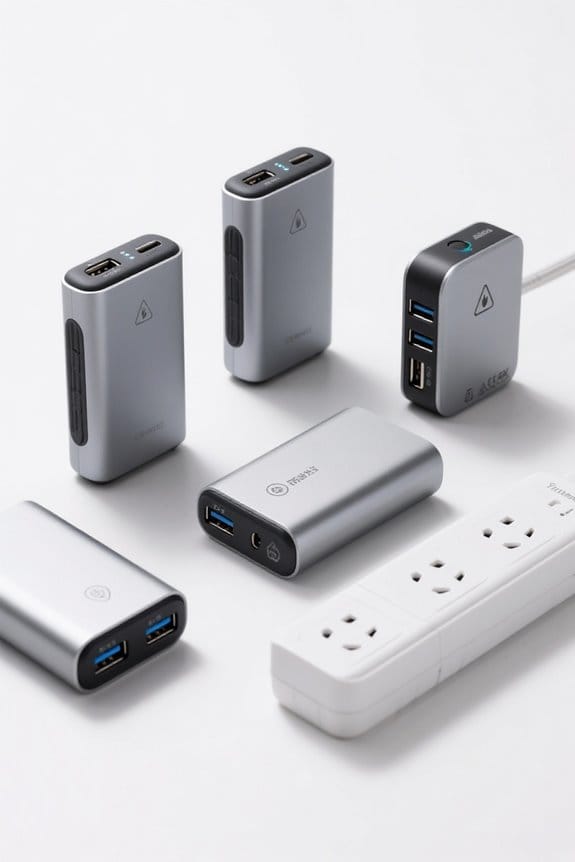
Airline and Cruise Policies for Power Banks and Surge Devices

Airlines and cruise lines have specific regulations for transporting power banks and surge devices due to safety concerns with lithium batteries. Most airlines, like Emirates, require power banks to remain in carry-on baggage and may allow only one unit under 100 watt-hours. Cruise lines also impose similar restrictions, typically not exceeding 100 watt-hours, and require these devices to be packed in carry-on luggage. Understanding policies can prevent complications and guarantee a safe travel experience. More details on compliance and safety follow.
Key Takeaways
- Airlines typically require power banks to be packed in carry-on luggage, prohibiting them in checked baggage due to fire hazards.
- Most cruise lines allow portable chargers under 100 watt-hours, but they should also be kept in carry-on luggage.
- Emirates plans to ban power banks entirely starting October 1, 2026, enforcing strict watt-hour limits for traveling.
- Different airlines and countries may have unique regulations for power banks; check each airline’s policy before traveling.
- Always ensure spare batteries are protected from short circuits and packed in accessible locations during flights for safety.
Understanding Lithium Battery Regulations
You may be interested

When considering the regulations surrounding lithium batteries, it is essential for travelers to understand the guidelines set forth by aviation authorities. The Federal Aviation Administration mandates that lithium batteries, including power banks, must remain in carry-on baggage due to potential fire hazards linked to overheating. Passengers are allowed to bring one power bank not exceeding 100 watt-hours (Wh), though some airlines may permit two, provided they meet size regulations. Additionally, spare lithium batteries must be well protected to prevent short circuits and should also be kept in carry-on bags, not in checked luggage. Each airline may impose varied restrictions; therefore, it is vital for passengers to verify specific policies related to lithium battery use prior to traveling. Safety features are crucial for ensuring the reliability of power converters and batteries while traveling.
Airline Policies for Power Banks
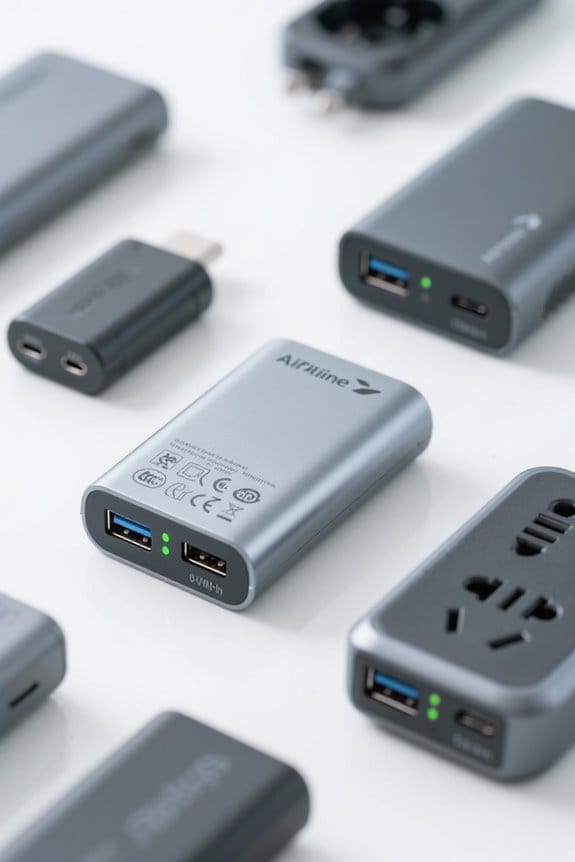
Airline policies regarding power banks have become increasingly stringent as safety concerns rise. Many airlines, including Emirates, plan to enforce a ban on power banks starting October 1, 2026, allowing only one unit under 100 watt-hours in carry-on luggage. This power bank must remain under the seat or in the seat pocket during the flight. Additionally, power banks are prohibited in checked luggage and overhead bins due to lithium battery hazards. Airlines like Etihad and FlyDubai have similar restrictions, permitting up to 20 spare lithium batteries, but adhere to strict packaging guidelines to prevent short circuits. The Transportation Security Administration (TSA) further prohibits power banks exceeding 160 watt-hours, illustrating a trend in tightening regulations across airlines. As a result, users should be aware of the safety features that protect against potential hazards when using power banks.
Recommended Products

The information below is per-pack only
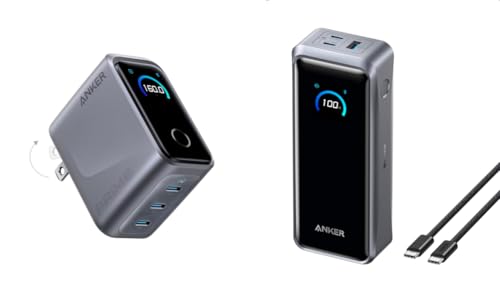
AirPods-Size 160W Power: Delivering 1.35W/cm³ of power density, this sleek 3-port USB-C charger provides a total output of 160W while being as compact as an AirPods Pro 3 case, making it easy to carry yet powerful enough to handle your devices.
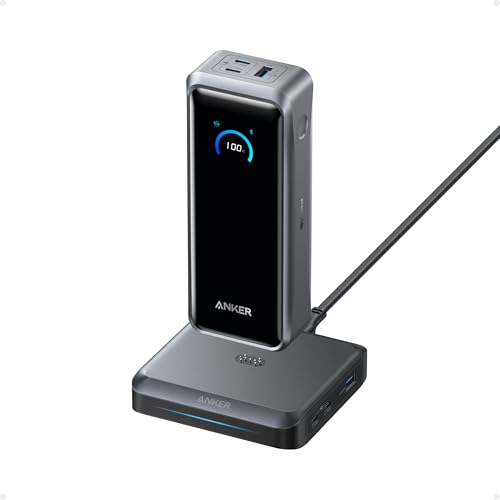
300W Total Output Power: Offers 300W max output across two USB-C and one USB-A port, keeping two MacBook Pros running at full speed.
Cruise Line Restrictions on Portable Chargers
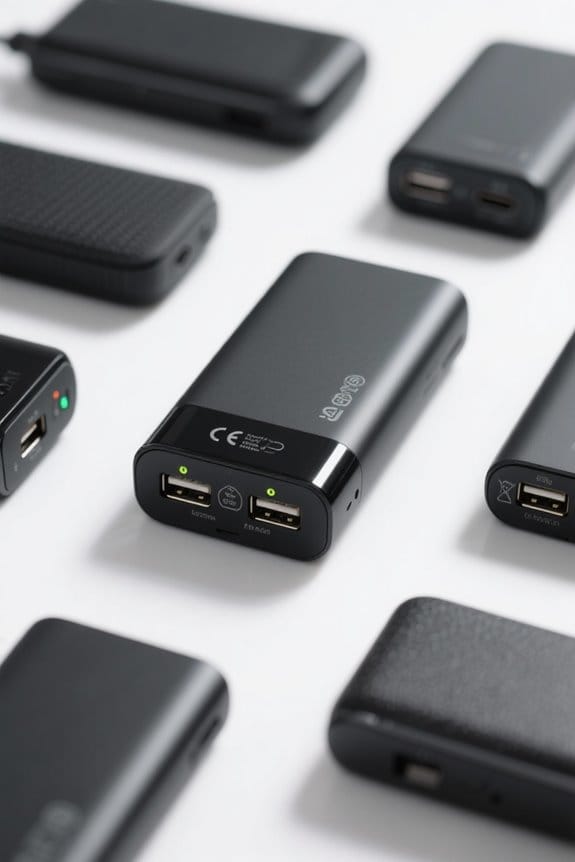
Cruise lines frequently allow passengers to bring portable chargers on board, but they impose specific restrictions to enhance safety. Most cruise lines require that power banks do not exceed 100 watt-hours, in compliance with safety regulations. This limitation aims to prevent potential hazards associated with high-capacity batteries. Additionally, passengers are often instructed to pack these portable chargers in carry-on luggage rather than checked baggage, making them more accessible and reducing safety risks during transit. Importantly, rules may vary by cruise line, so passengers should confirm their specific device policies before sailing. Finally, the use of power banks during emergency drills and safety briefings is generally prohibited, necessitating fully charged devices prior to boarding. Furthermore, travelers should be aware of the surge protection rating recommended for electronic devices to ensure safety during their journey.
Recommended Products

【Easy-to-Use Pass-Through Charging】 Keep your devices running even while the power bank itself is recharging. When the unit is plugged in, the LED screen will display the battery level along with "IN" (Input mode). To begin charging your external devices simultaneously, simply press and hold the power button for 2 seconds until the screen switches to display "OUT" (Output mode). This seamless function ensures your laptops, smartphones, or CPAP machines stay powered on overnight or during unexpected outages

【21700 Cells & 160W Power】 This ZOUPW power bank is driven by premium 21700 EV-grade Li-ion cells with a 3C high-discharge rating, enabling a massive 160W total output. This advanced core supports stable 140W PD 3.1 USB-C performance for laptops, ensuring consistent power delivery even under heavy loads.
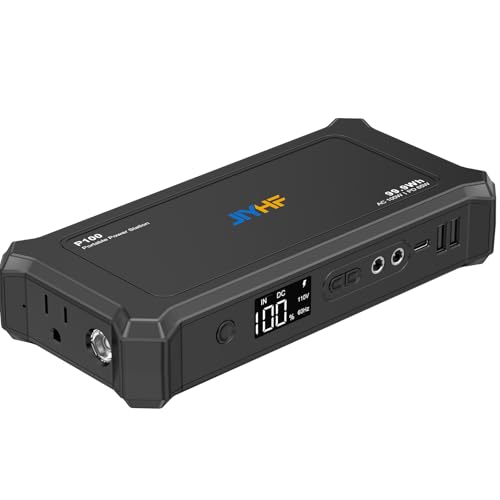
99.9Wh Capacity: This portable laptop power bank comes with a 99.9Wh capacity lithium-ion battery pack, stays under the 100Wh FAA limit for air travel, Compatible with iPhone 16, iPad, MacBook, Laptop,Samsung Galaxy etc
Differences Between Domestic and International Guidelines
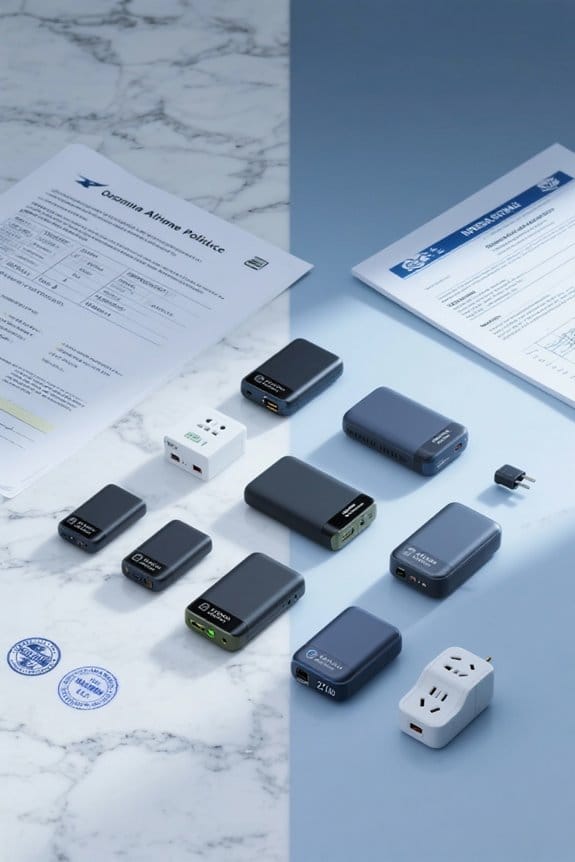
Although regulations regarding power banks vary widely, understanding the differences between domestic and international guidelines is crucial for travelers. Domestic airlines, such as Southwest Airlines and Delta, have imposed stricter regulations due to safety concerns surrounding lithium batteries. In contrast, international carriers like Emirates have outright banned power banks starting October 1, 2026, while permitting one device under 100 watt-hours per passenger. Additionally, some nations, including South Korea and numerous Southeast Asian countries, have enacted nationwide bans on power banks to promote passenger safety. Unlike domestic guidelines, international regulations often have stricter watt-hour limits, requiring awareness of each airline’s policies for power banks, especially regarding their storage in carry-on bags and in-flight usage. Furthermore, surge protectors are essential for ensuring that devices remain safe from electrical issues during travel.
Safe Packing Practices for Power Banks
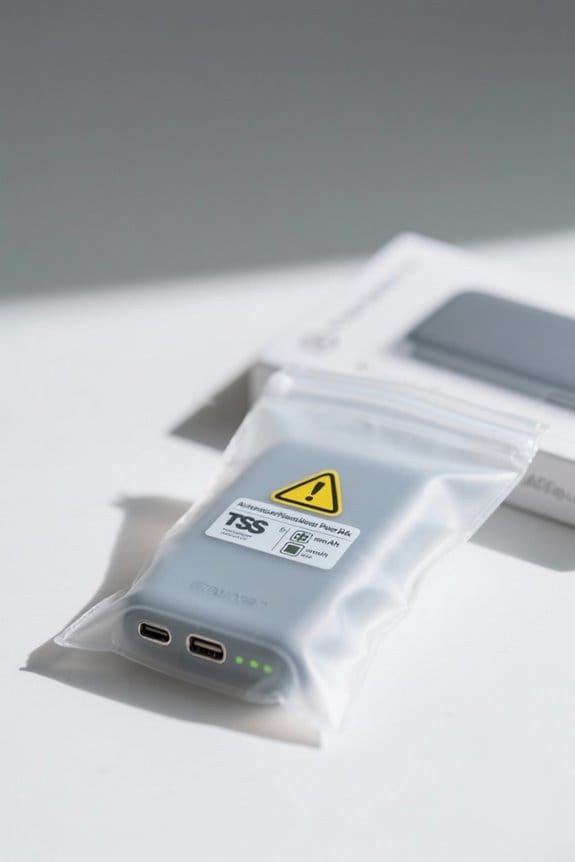
Packing power banks requires adherence to specific guidelines for safety and compliance. Passengers must store power banks in carry-on luggage only, as lithium batteries pose fire hazards when placed in checked baggage. To comply with regulations, power banks should not exceed 100 watt-hours (Wh), preventing potential confiscation at security checkpoints. Spare batteries must be individually protected to avoid short circuits, and they should also be carried in hand luggage for increased safety. It is advisable to keep power banks in easily accessible locations, like under the seat or in the seat pocket, facilitating quick access for cabin crew during emergencies. Finally, travelers should always verify specific airline policies regarding power banks, as additional restrictions may apply. Moreover, many power banks are designed with advanced safety systems to ensure reliable and safe usage during charging.
Recommended Products

【Power Hub For All Your USB-C Devices】From high powered USB-C laptops to tablets and smartphones, Omnicharge can keep all your devices charged up. Compact and functional.also have function of overcharge protection.

Off-Grid CPAP Power – Package includes 2 DC output cables: one for direct connection from Pilot-24 to AirMini, and one from Pilot-24 to AirSense 10. Compact 95Wh battery delivers reliable portable power supply for travel, camping, or emergencies.

High-Efficiency, Quick Charging Capability: CUKTECH 20 Power Bank delivers 140W of power, fully compliant with the latest PD3.1 charging protocol. It eliminates the inconvenience of sluggish charging, offering a quick-charging solution tailored for devices such as MacBook Pro. Compared to ordinary high-power chargers, it's in a league of its own.
Tips for Managing Battery Life During Flights
Managing battery life during flights is essential for ensuring that devices remain functional throughout the journey, especially on long flights where charging options may be scarce. Travelers should start with fully charged devices, particularly lithium batteries, to maximize usage time. Utilizing airport charging stations or power outlets in lounges before boarding can greatly help. Preference should be given to tablets over laptops, as they consume less power and offer longer battery life. In-flight entertainment systems should be used when available, as they can help conserve a personal device’s battery. It’s advisable to carry a USB-compatible charging cord for potential in-flight charging, but passengers must check if their airline allows the use of power banks or power outlets to charge devices. Additionally, ensuring that devices are connected to a surge protector can prevent damage from unexpected power fluctuations when charging.
Recommended Products

【AC Outlet Portable Charger】: 110V/130W (max). AC outlet provides a good solution to AC power supply. Compatible with a wide variety of laptops, phones,TVs, printers, fans, lamps, mini fridges and other AC plug devices ( less than 130W ). 2 x 18W QC 3.0 USB-A ports for USB devices and 1 x 20W TYPE C port for Nintendo Switch, iPad.
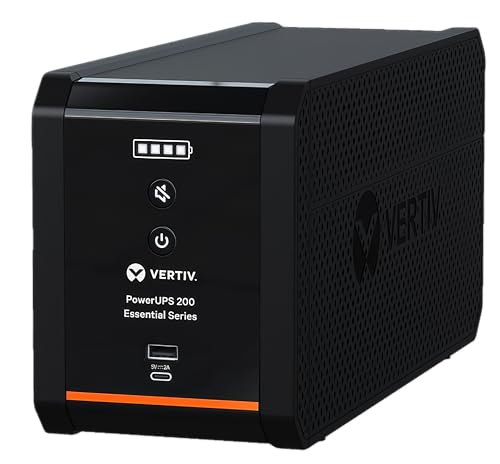
STABLE POWER SUPPLY: The AVR stabilizes output power during fluctuations, extends battery life, and provides clean power to connected devices.

【 AC Output Power Limitation – Read Before Use】 AC outlet supports devices ≤120W (110V/60Hz). Compatible examples: laptops, phone chargers, drone battery chargers, camera chargers, small LED lights. DO NOT use high-power devices such as hair dryers, electric kettles, rice cookers, space heaters, power tools, coffee makers. Exceeding 120W will trigger auto-shutdown and may damage your device. Check your device wattage before use.
Consequences of Non-Compliance With Regulations
Failure to comply with regulations regarding power banks can lead to significant consequences for travelers. Airlines enforce strict rules on lithium battery devices, including power banks. If a power bank doesn’t meet airline specifications, it may be confiscated at airport security, causing inconvenience. Additionally, passengers who fail to adhere to limits on watt-hours or the number of devices could face denied boarding or must return to check their items. Violations of usage policies during a flight may result in warnings from the cabin crew or, in extreme cases, legal action. In addition, such non-compliance can compromise overall safety, prompting airlines to tighten restrictions on power banks and lithium battery devices in future travel regulations. Surge protectors with 2000+ joules are often recommended to safeguard electronic devices during travel.
Recent Safety Incidents Involving Lithium Batteries
As recent incidents have shown, the risks associated with lithium batteries in aviation are becoming increasingly concerning. The FAA reported 34 incidents involving lithium batteries in the first half of 2026, averaging nearly six events monthly. A notable case involved a Delta flight requiring an emergency landing due to a fire caused by a passenger’s device, emphasizing the dangers associated with these batteries. In response, Air Busan prohibited power banks in overhead bins after a suspected power bank incident led to a plane fire. Additionally, South Korea tightened regulations in March 2023, banning power banks and e-cigarettes from luggage bins. Hong Kong also mandated local airlines to prohibit using or charging power banks on board after a baggage fire incident necessitated a flight diversion. These incidents highlight the importance of ensuring durability of devices to prevent potential hazards.
Resources for Travelers Regarding Battery Regulations
To guarantee a safe and smooth travel experience, it is essential for travelers to familiarize themselves with the regulations governing the transport of lithium batteries and power banks. The FAA’s PackSafe provides detailed guidelines for safely carrying these devices, helping travelers understand specific airline policies. Additionally, airlines like Emirates and some South Korean carriers have stringent rules that may ban power banks onboard entirely. Typically, power banks must be transported in cabin baggage, never in checked baggage, due to fire hazards associated with lithium batteries. Passengers should verify regulations with their airline, especially when traveling internationally, to prevent confiscation of these devices at the airport. Staying informed will aid in compliance and enhance safety while flying. Moreover, understanding safety mechanisms for battery products can help travelers choose devices that comply with airline regulations.
Recommended Products

EFFORTLESS MOBILITY: Patented Precision Glide System with magnetic self-aligning 360° dual spinner wheels, 4-stop PowerScope extension handle and non slip Contour Grip ensures stress free maneuverability. Top, side and bottom carry handles
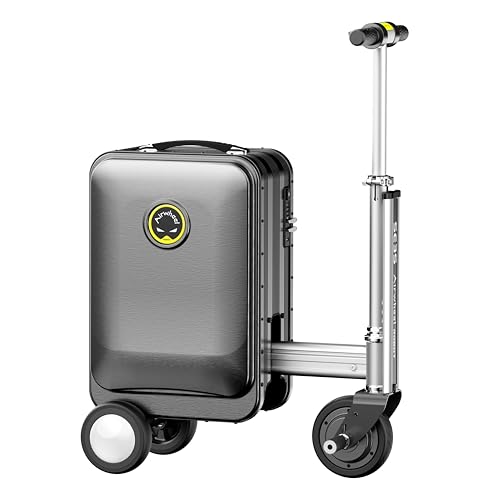
The Airwheel smart suitcase is a reliable companion that will help you wherever you travel. It is lightweight and can be easily switch between ride-on mode and pull-behind us

Experience effortless airport travel with this Ride On Suitcase for adults. Cruise at 6.2 MPH! This TSA-approved carry on luggage (22x14x9in) meets airline overhead bin size requirements as your perfect cabin suitcase for air travel. The top opening hard shell luggage (ABS+PC) protects belongings, with inline skate wheels for stable rides.
Frequently Asked Questions
Are Power Banks Allowed on Cruise Ships?
Power banks are generally allowed on cruise ships, subject to power bank restrictions. Passengers should consult cruise ship guidelines, ensuring their charging devices comply with safety regulations for onboard convenience and appropriate usage during travel.
What Power Banks Are Not Allowed on Planes?
Ironically, the most powerful power banks, those exceeding voltage limits set by airline guidelines, face prohibition. Following safety regulations, travelers should heed tips: carry only one power bank under 100Wh to guarantee compliant flying.
Which Airlines Ban Power Banks?
Several airlines, including Emirates, South Korean carriers, and major Southeast Asian airlines, have imposed power bank regulations, limiting battery capacity and usage. Travelers should follow airline safety guidelines and packing tips to avoid complications.
Do I Need to Declare a Power Bank?
While power bank regulations often allow unregistered devices under specified battery capacity limits, inconsistent luggage restrictions and flight safety measures necessitate vigilance. Travelers should always adhere to TSA guidelines and check specific airline policies before departure.


