As an Amazon Associate, we earn from qualifying purchases. Some links on this site are affiliate links at no extra cost to you. Our recommendations are based on thorough research and editorial judgment.


Velcro Vs Zip Ties: When to Use Each Fastener

When choosing between Velcro and zip ties, consider their distinct functions and applications. Zip ties provide a strong, permanent hold, making them suitable for structured cabling, especially in data centers. In contrast, Velcro offers a reusable, adjustable option ideal for projects requiring frequent modifications, such as bundling wires. While zip ties are cheaper upfront, Velcro may result in long-term savings due to its reusability. Understanding these features will aid in selecting the best fastening solution for your needs.
Key Takeaways
- Use zip ties for permanent installations where strong, secure fastenings are required, such as in structured cabling and data centers.
- Opt for Velcro in situations requiring adjustments, allowing for easy re-bundling and frequent access to cables.
- Choose zip ties for harsher environments, particularly with plenum-rated options, to maintain a tangle-free workspace.
- Consider initial costs; zip ties are cheaper upfront but can incur additional expenses for frequent replacements compared to Velcro’s long-term savings.
- Evaluate project needs to determine if a combination of both fasteners can enhance cable management efficiency, leveraging their respective strengths.
Understanding Zip Ties
You may be interested


Zip ties, also known as cable ties, are versatile fastening tools commonly used in various applications. Invented in 1958, these single-use fasteners made from strong nylon feature a flexible strap and a ratcheting mechanism. Ideal for cable management in structured cabling projects, zip ties are renowned for their high tensile strength, making them suitable for industrial and heavy-duty contexts. They come in various sizes, colors, and specialized grades, including plenum-rated options for electrical uses. Though effective for temporary and permanent installations, users must note that once tightened, they cannot be reused, requiring cutting for removal. Their low cost and durability are significant strengths, contributing to their popularity in sectors such as construction and data centers. Additionally, zip ties are often used in conjunction with cable tie mounts, providing enhanced organization and efficiency in managing cables.
Understanding Velcro

Velcro serves as a versatile alternative to zip ties, featuring a unique design that consists of two fabric strips—one embedded with tiny hooks and the other lined with loops. This fastener is reusable and adjustable, making it ideal for temporary applications like organizing cables or securing items outdoors. Velcro is often sold in rolls, allowing users to cut it to their desired length, enhancing its versatility for various projects. Its ability to detach easily without tools offers significant user-friendliness, particularly for quick fixes. Additionally, Velcro resists dirt and lint accumulation, maintaining its effectiveness over time, which is beneficial in various environments. Overall, Velcro provides a practical solution for dynamic fastening needs. Furthermore, it can be utilized in conjunction with devices that require surge protection, ensuring safe and organized setups.
Historical Background of Zip Ties

The history of zip ties reveals a significant innovation in fastening technology, essential for various organizational tasks. Invented in 1958 by Maurice L. H. Sweeney, zip ties were initially designed for organizing wires in airplane wire harnesses. Made from durable nylon, these fasteners feature a flexible strap combined with a ratcheting mechanism, allowing for high tensile strength. Their effectiveness in securing and organizing wires quickly attracted attention across multiple industries, including data centers, construction, and automotive sectors. Over time, zip ties became available in various sizes, colors, and plenum-rated versions, enhancing their versatility for both commercial and residential use. However, the removal of zip ties generally requires cutting, which underscores their nature as single-use fasteners. Their popularity parallels the rise of surge protectors as essential tools for safeguarding electronic devices from power surges.
Historical Background of Velcro

Innovative fasteners have shaped various industries, and the story of Velcro is particularly significant. Invented in the 1940s by Swiss engineer George de Mestral, Velcro emerged after he noticed burrs clinging to his clothing during a walk. The name “Velcro” combines the French words for velvet and hook, aptly describing its hook and loop design. Initially aimed at the fashion and textile industry, Velcro rapidly expanded its applications, becoming popular among NASA astronauts in the 1960s for securing items in space. Today, Velcro’s versatile nature makes it a favored choice across various sectors, from home organization to industrial applications, where its reusable qualities contribute to its widespread recognition and effectiveness as a fastening solution. Furthermore, the development of heavy-duty extension cords has illustrated the importance of reliable fastening solutions in ensuring safety and performance in electrical applications.
Cost Comparison of Zip Ties and Velcro

When considering fastening solutions, a notable factor is the cost comparison between zip ties and Velcro. Zip ties are generally cheaper upfront, often sold in bulk, making them a cost-effective choice for temporary jobs or one-time applications. However, their single-use nature means that frequent adjustments could lead to additional costs, as they require cutting for removal. In contrast, Velcro has a higher initial investment, especially for quality options, but its reusability justifies this cost over time. Velcro allows for repeated use and flexibility, making it more economical for projects demanding ongoing modifications. Moreover, using high-quality, eco-friendly materials in cable organizers can enhance overall sustainability while providing effective fastening solutions. Ultimately, the choice between zip ties and Velcro should be guided by the specific project needs and long-term cost considerations.
Recommended Products

Size: 4" | Length: 100 Feet | Color: Black

Designed for small cables such as USB adapter cables for mobile phones and earbud cords for portable music players

Durability and Strength of Zip Ties and Velcro
Durability and strength are critical factors in selecting between zip ties and Velcro for various fastening needs. Zip ties, made from strong nylon or plastic, exhibit high tensile strength, making them suitable for industrial and heavy-duty applications. However, they are single-use, requiring cutting for removal, which may limit adaptability. In contrast, Velcro consists of two fabric strips designed with hooks and loops, which allows for reusability without significant loss of effectiveness. Although Velcro’s durability may decrease under extreme stress, it excels in environments needing frequent adjustments. Ultimately, the choice between these fasteners depends on whether a user prioritizes the strong, permanent hold of zip ties or the adaptable and reusable nature of Velcro closures. Additionally, reinforced materials can enhance the longevity of fasteners, ensuring reliable performance in various conditions.
Recommended Products

Professional Cable Tie made of Polyamide 6.6

Dimensions: 6 Inch Long | 50 X 100 Pcs | Red | 80 Lbs. Strength | UV Resistant | Nylon | 1-1/8" x 1-7/8" Flag Space | 5mm Strap Width | Temp Range: -45° – 100°C (-50° F – 212°F)
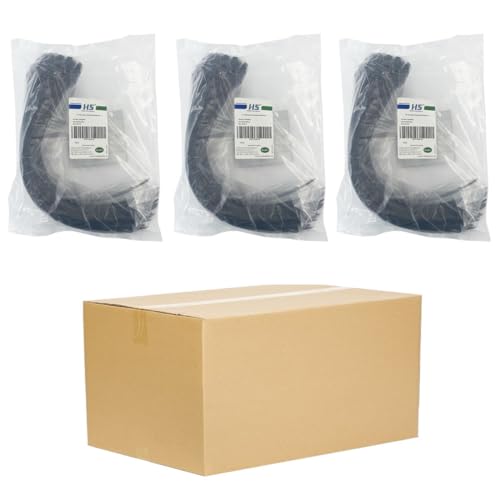
Case includes 2700 units-27 packs of 100 extra heavy duty zip ties black
Flexibility in Usage of Zip Ties
Zip ties provide a straightforward approach to fastening, but their design limits flexibility in usage. Primarily intended for single-use applications, they offer a strong hold once tightened, making them ideal for permanent or semi-permanent installations. The ratcheting mechanism allows for quick fastening; however, adjusting them post-installation is challenging, requiring cutting for removal. Available in various sizes and colors, zip ties are lightweight yet remarkably durable, suitable for industrial and light-duty tasks alike. Their high tensile strength makes them fit for harsh environments, such as data centers and construction sites. While cost-effective and often sold in bulk, zip ties lack the adaptability of Velcro, which may be preferable for multi-use fastening situations. Additionally, the adhesive strength of cable management clips can provide a versatile alternative for organizing cables without the need for cutting.
Flexibility in Usage of Velcro
Although often overlooked in favor of more traditional fastening methods, Velcro fasteners offer a remarkable level of flexibility that meets various user needs. Designed for reuse, Velcro wraps allow for easy adjustments and reconfigurations, making them suitable for different project sizes. The hook-and-loop design enables quick detachment and reattachment, providing access to cables when necessary. Unlike zip ties, which can require cutting tools for removal, Velcro fasteners preserve the integrity of cables. Though typically more expensive initially, their long-term cost-effectiveness becomes evident in applications requiring frequent access or changes. This combination of flexibility, user-friendliness, and adaptability makes Velcro a preferred choice for technicians managing large bundles of cables efficiently. Additionally, considering the need for durability and material in fastening solutions can enhance their overall effectiveness in various environments.
Ease of Use: Zip Ties vs. Velcro
How do the operational differences between zip ties and Velcro fasteners affect their overall ease of use? Zip ties are designed as single-use fasteners, requiring cutting for removal, which complicates adjustments. In contrast, Velcro fasteners utilize two fabric strips with hooks and loops, allowing users to attach and detach them swiftly without tools, enhancing ease of use in dynamic settings. While zip ties provide a robust hold with a ratcheting mechanism, they lack reusability once tightened. Conversely, Velcro supports adjustments for varying sizes, making it ideal for setups requiring modifications. Although Velcro may incur a higher initial cost, its user-friendly nature and reusability often make it a more practical choice for frequently accessed cables. Additionally, cable management solutions often benefit from the flexibility that Velcro provides, accommodating various cable sizes and setups with ease.
Ideal Applications for Zip Ties
A variety of ideal applications exist for zip ties, primarily due to their strong tensile strength and durability. These fasteners are suitable for permanent or semi-permanent installations, especially in structured cabling environments, where they securely hold electrical cables in place. Zip ties prevent tangling and accidental disconnections, which is essential in settings like data centers and construction sites. They are available in various sizes, colors, and materials, including plenum-rated options that withstand harsh conditions. Additionally, zip ties offer a cost-effective solution since they are often sold in bulk at lower prices compared to other fastening options. However, they are single-use fasteners that require cutting for removal, limiting their application in setups needing frequent adjustments. Moreover, their effectiveness in maintaining a tangle-free workspace aligns with the benefits of using comprehensive cable management solutions.
Recommended Products

Made in United States


Ideal Applications for Velcro
When considering cable management solutions, Velcro stands out as an excellent choice for temporary setups, particularly due to its ability to facilitate easy adjustments. Velcro is reusable, making it a cost-effective option for projects with frequent changes, such as home theater systems or office wiring. Its capability to support large bundles of wires makes it ideal for both domestic and commercial environments. Additionally, Velcro can be cut to custom lengths, providing flexibility to accommodate specific space requirements. This fastener excels in environments where regular access to cables is necessary, such as computer labs or production studios, because of its easy, tool-free detachment and reattachment. Overall, Velcro proves to be a practical solution for effective cable management needs.
Making the Right Choice for Your Project
Selecting the right fastening solution for cable management involves evaluating the specific needs of a project. When deciding between zip ties or Velcro, both have individual strengths and positive attributes. Zip ties excel in permanent or semi-permanent installations, as they provide a secure hold ideal for environments like data centers. Conversely, Velcro is better for temporary applications, allowing for easy adjustments without tools. Cost considerations are essential; zip ties are typically cheaper when purchased in bulk, while Velcro offers long-term savings through its reusability. For heavy-duty support, zip ties are recommended, whereas Velcro suits lighter applications. Combining both fasteners can optimize cable management, leveraging zip ties for stability and Velcro for flexibility, ultimately enhancing project outcomes.
Recommended Products

SPECIFICATIONS: 4” Inch Wide x 6’ Feet Length | Color – Black | 100 Pcs Pack | Material – Durable Industrial Grade Nylon


Made from nylon and fabric material with hook & loop attachments, reusable, durable, flexible, and detachable.
Frequently Asked Questions
What Are the Disadvantages of Velcro as a Fastener?
Velcro has several disadvantages, including durability issues under heavy loads, adhesion limitations in tight spaces, cleaning challenges from dirt accumulation, a noise factor when fastening, and potential environmental impact due to its synthetic materials.
What Are the Advantages of Velcro Fastening?
In the tapestry of fastening options, Velcro applications shine with their adjustable nature, ensuring user-friendly access. Its durability outstrips many Velcro alternatives, while minimal maintenance and diverse types further enhance its appeal in various domains.
How to Properly Use Velcro Cable Ties?
To properly use Velcro cable ties, apply installation techniques like cutting to length and ensuring a snug fit. Consider cable management tips to address velcro durability concerns and adhesive backing limitations, offering effective reusable fastening solutions.
When to Use Metal Zip Ties?
Metal zip ties should be used in high-temperature, corrosive environments requiring durability, such as construction and automotive sectors. Their strength, longevity, and secure fit make them preferable compared to other metal zip tie alternatives.


