As an Amazon Associate, we earn from qualifying purchases. Some links on this site are affiliate links at no extra cost to you. Our recommendations are based on thorough research and editorial judgment.


Cable Management Fundamentals: Planning for Growth and Safety

Cable management is essential for enhancing safety and efficiency in various environments. Proper organization reduces clutter, prolongs cable life, and maintains airflow, thereby preventing hazards. Key strategies include using trays, ties, and labeling systems for easy identification. Regular inspections and maintenance help identify potential issues early, ensuring compliance with safety standards. Planning must account for future technology needs, allowing for seamless expansion. By adopting these fundamentals, users can create a safer, more organized workspace. More insights on advanced techniques await.
Key Takeaways
- Conduct thorough site assessments to determine optimal cable pathways and layouts for future expansion and safety.
- Implement a modular design with adjustable trays and conduits to accommodate evolving technology and growing needs.
- Prioritize accessibility in design for frequently accessed cables, reducing the risk of accidents and enhancing efficiency.
- Utilize a consistent and durable labeling system to simplify identification, maintenance, and troubleshooting for optimal safety.
- Regularly perform inspections and maintenance to identify issues, ensuring the system remains safe and efficient over time.
Understanding the Importance of Cable Management
You may be interested


Effective cable management proves critical in both residential and commercial settings, as it markedly reduces clutter and mitigates safety hazards. Understanding the importance of cable management is essential for fostering an organized environment. Effective cable organization not only prolongs the lifespan of cables but also enhances overall workspace efficiency. By grouping, labeling, and protecting cables, users can prevent hazards such as tripping and overheating due to restricted airflow, particularly in data centers. Additionally, well-implemented cable management systems simplify troubleshooting and decrease maintenance time, as tangled cables complicate repairs. Ultimately, these practices promote a professional appearance and guarantee compliance with safety standards, confirming that strategic cable management is indispensable for every setting. Moreover, utilizing cable management kits can provide comprehensive solutions for organizing various cables effectively.
Key Components of Effective Cable Management

Cable management relies on several key components that guarantee the orderly arrangement of wires and cables in any environment. Effective cable management strategies often include the use of cable trays and ladders, which organize and support network cables while promoting airflow and reducing interference. Additionally, cable ties and fasteners secure cables together, minimizing tangling while ensuring they are not over-tightened to prevent damage. Proper planning includes implementing a thorough labeling system, essential for easy identification during maintenance. In addition, cable raceways and conduits protect cables in high-traffic areas, greatly lowering damage risk. Overall, systematic cable management enhances network performance, simplifies maintenance, and prepares for future expansions, demonstrating the importance of these foundational elements. Using cable management clips can further optimize organization by keeping cables in place and easily accessible.
Recommended Products

7-Foot Ladder Rack (TIA-Compliant): Provides a sturdy and straight 12-inch-wide cable pathway across server rooms, telecom closets, and data centers

Pathway & Compliance: Provides a 5-foot, 12-inch-wide horizontal cable pathway; TIA-compliant — two 5-foot sections per pack
Best Practices for Cable Management

To achieve ideal cable management, it is crucial to implement several best practices that enhance organization and efficiency. First, utilizing cable trays and ladders helps to keep cables organized, preventing tangling and reducing electrical interference. Next, establishing proper cable lengths minimizes slack, which decreases clutter and supports efficient airflow around network equipment for maximum cooling. Implementing a consistent labeling system further aids in identifying cables easily, enhancing troubleshooting capabilities and reducing downtime. Regular inspections should be conducted to guarantee adherence to these practices, allowing for early identification of potential issues. Finally, it is beneficial to bundle cables and maintain accessibility for frequently accessed connections, especially in industrial environments, which increases maintenance efficiency and reduces risks associated with inaccessible wiring. Additionally, incorporating customizable cable raceways can provide an effective solution for organizing multiple cables while blending seamlessly with your decor.
Recommended Products

[Dimension Design]:This nickel globe chandelier includes 16 x 6-inch globe shades and the ceiling tray is 23.6 inches in diameter. The total height of this chandelier is 126 inches The cable cord is adjustable and the overall shape of the fixture is simple and smooth DIY styling can be done as needed

This full-size wood loft bed smartly combines a comfortable elevated sleeping area with a dedicated gaming or workstation below. The ergonomic desk space accommodates monitors, consoles, and a PC tower, while integrated cable holes keep wires neatly managed for a streamlined, clutter-free setup.

Product Type : THHN/THWN2
Planning and Design Strategies

Planning a robust cable management system requires careful consideration of multiple factors that will guarantee long-term efficiency and adaptability. Effective planning strategies begin with conducting a thorough site assessment, identifying equipment layouts and critical pathways. Load calculations and electrical requirements must be considered to create a system that accommodates both current and future needs. By prioritizing accessibility in the design, frequently accessed cables remain easy to reach, enhancing maintenance efforts. Additionally, planning for proper cable lengths minimizes clutter and promotes airflow, reducing overheating risks. Establishing a detailed labeling system simplifies the identification of cables for troubleshooting and future expansions. Incorporating eco-friendly options in your cable management solutions can also contribute to a sustainable infrastructure. Adhering to these cable management principles ultimately leads to a streamlined and sustainable infrastructure.
Safety Protocols for Cable Installation

Successful implementation of cable management systems not only relies on planning and design but also necessitates adherence to safety protocols during installation. Technicians must always follow lockout/tagout (LOTO) procedures to prevent accidental energization of electrical systems. Employing appropriate personal protective equipment (PPE), such as gloves and safety glasses, safeguards against electrical hazards encountered during cable installation. Moreover, ensuring proper grounding and bonding of cables is essential to mitigate electrical shock risks and comply with national electrical codes. Conducting thorough visual inspections of cables and conduits before installation helps identify any potential hazards or damage. Finally, ergonomic practices should be implemented when routing and securing cables, reducing the risk of strain injuries among installation personnel. Additionally, utilizing devices with surge protection features can help protect sensitive electronics during installation and operation.
Maintenance and Regular Inspections
Maintenance and regular inspections are essential components of effective cable management systems. Conducting inspections at least once a quarter can identify wear, hazards, and guarantee compliance with safety standards. Visual inspections can reveal visible damage quickly, while thermal imaging technology detects overheating in densely packed areas. Establishing a routine maintenance schedule fosters accountability and promotes adherence to best practices within the organization. Proper documentation of inspection findings aids in tracking system effectiveness and supports future planning. A proactive approach to maintenance not only enhances safety but also mitigates downtime, addressing issues before they escalate into costly problems. By prioritizing these inspections and maintenance procedures, organizations can create a safer and more efficient cable management environment. Additionally, incorporating surge protectors with high joule ratings can further protect valuable equipment from power spikes.
Cable Management Solutions for Different Environments
How can effective cable management adapt to various environments? In data centers, utilizing cable trays and ladders optimizes airflow, essential for cooling efficiency. Maintaining organized and separated cables prevents overheating, which is vital in server rooms. In home office settings, under-desk trays and raceways enhance aesthetics while providing efficient cable access for adjustments and upgrades. Industrial systems call for robust solutions such as cable conduits, designed to withstand harsh conditions and protect cables from potential hazards, ensuring long-term reliability and safety. Assessing the size of organizers is crucial to ensure compatibility with various cable types, thereby promoting effective management. Ensuring proper cable management, adaptable across different environments, not only promotes safety but also supports future scalability, allowing both home and corporate installations to grow easily alongside evolving technology and equipment needs.
Recommended Products

Eight universal 2.5 or 3.5-inch SSDs/HDDs drive bays w/ Dual Thunderbolt 3 ports (Thunderbolt 2/Thunderbolt backward compatible)

SPECS – Cable Tray Bulk Pack Straight Section | Width: 6” Inch (152.4mm) | Length: 10’ Feet | Depth: 2” Inch (mm) | Color – Chrome | Material – Zinc Plated Steel

【Enterprise-Grade NAS】The 8-bay NAS is engineered for demanding businesses looking for a high-performance NAS with massive storage, a powerful processor, and productivity-boosting features. Whether you run Windows, macOS, Linux, iOS, Android or Google services—or a mix of them all-UGREEN protection strategy work seamless across any devices. Its peak performance and largest capacity help users to work efficiently on business projects with clients and collaborators.
Enhancing Organization With Labeling Systems
Effective cable management is not solely reliant on physical organization methods; it also benefits greatly from a robust labeling system. A consistent labeling strategy allows users to easily identify cables, which minimizes troubleshooting time and enhances maintenance efficiency. Labels should clearly designate the purpose, destination, or type of cable. Additionally, color-coded labels can facilitate faster recognition of different cable functions at a glance, making this a valuable management tip. Regularly updating labels during system expansions is vital, as it keeps information accurate and avoids confusion during maintenance. Investing in high-quality, durable labels guarantees they can withstand various environments, promoting a professional appearance and long-term reliability, essential for efficient cable management within any setting. Furthermore, incorporating tangle-free designs in cable management solutions can enhance organization by preventing knots and reducing clutter.
Recommended Products

Includes 4 LED Smart TV's, professional mounting frame, HDMI splitter, all cables, LED accent lighting, and remote controls. This is the complete JumboTron experience out of the box — no hunting for compatible parts, no guessing on sizes, no surprise costs. One order, one delivery, one setup, total wow factor.

Patented Retention Force Technology protects tines from damage from 4- or 6-pin plugs

✅ ALL-IN-ONE ACCESS CONTROL CABLE: Combines 18AWG/4C (power) + 22AWG/4C (reader/data) + 22AWG/2C (door contact) + 22AWG/6C (request-to-exit/alarm) in a single jacket — designed for complete access control system wiring.
Adapting to Future Growth Needs
To effectively prepare for future growth in cable management, it is vital to anticipate the evolving demands of technology. Planning for future growth involves recognizing that bandwidth requirements will increase, necessitating the design of cable systems with ample space. Implementing cable management solutions like modular trays and adjustable raceways allows for seamless expansion while minimizing disruption and rework costs. Regular assessments of current usage promote adaptability, preventing overcrowding and performance inefficiencies. Utilizing flexible conduits and removable components not only protects cables but also accommodates new technologies. A thorough labeling system further simplifies expansions, promoting quick identification of cable types, thereby reducing downtime during maintenance. Overall, thoughtful design and proactive planning are key to supporting both current and future needs in cable management. Additionally, incorporating durable construction in cable management solutions enhances longevity and reliability, ensuring that systems remain effective under increased demands.
Recommended Products

Flexible Conference Table: Are you struggling to choose between conference tables of varying sizes? Are you bothered by the heaviness of traditional conference tables? Why not take a look at our conference tables on wheels! We offer 47"/55"/63"/71" in length, with a standard height of 29.5"-and flexible configurations. Whether you need a large conference table over 6 feet, a group meeting table between 2 and 6 feet or a single-use training table, we have something to suit your needs
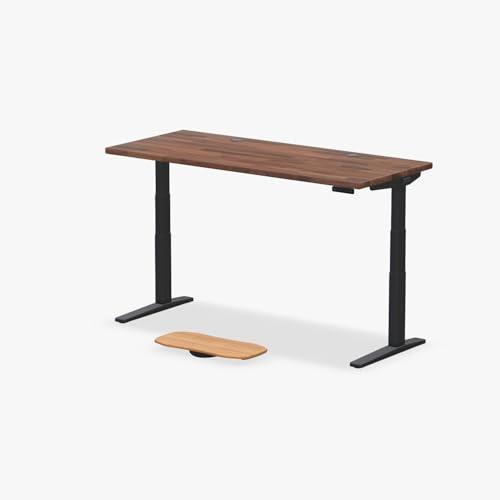
STABLE & ADJUSTABLE PERFORMANCE – Dual-motor lifting system with a 355 lb capacity and 3-stage legs delivers smooth height adjustment from 22.6" to 48.7"; integrated anti-collision technology and cable management help support an organized workspace..

INTEGRATED POWER SUPPLY COLUMN - Our patent-pending design uses a single concealed cable within your desk leg and a built-in electrical socket to power your desk and devices with just one cable.
Frequently Asked Questions
What Is Cable Management in Safety?
Cable management enhances safety by employing organization techniques that reduce hazards of tangled cables, like using cable trays. Labeling systems aids in maintenance and choosing appropriate materials further guarantees effective and secure cable handling in environments.
How Can Cable Management Improve the Safety of a Workspace?
Cable management enhances workspace safety by reducing cable clutter and tripping hazards, ensuring clear wire pathways for emergency access, facilitating effective equipment maintenance, and promoting a safer environment for all employees through organized cabling practices.
What Role Does Planning Play in Effective Cable Management?
Planning transforms tangled wires into a symphony of systematic layouts, guiding efficiency and safety. Strategic planning strategies, growth projections, and maintenance schedules guarantee adaptability, while paving the way for future expansions and seamless integration within dynamic environments.
What Safety Considerations Should Be Made Regarding Cables?
Safety considerations regarding cables include identifying trip risks, adhering to electrical codes, using proper tools for installation, selecting appropriate cable types, and mitigating fire hazards through appropriate cable coverings and maintaining clear cable paths.


