As an Amazon Associate, we earn from qualifying purchases. Some links on this site are affiliate links at no extra cost to you. Our recommendations are based on thorough research and editorial judgment.


Grounding and Bonding Basics for Safe Power Distribution

Grounding and bonding are essential in electrical systems for safe power distribution. Grounding connects equipment to the earth, protecting against electrical shock and stabilizing voltage. Key techniques involve using grounded outlets and chassis grounding to minimize hazards. Bonding guarantees all metallic components share the same electrical potential, reducing shock risks. Good grounding practices limit electrical resistance, and compliance with standards is critical for safety. Polycase offers durable enclosures designed to enhance grounding efficiency. Further exploration reveals more best practices and guidelines.
Key Takeaways
- Grounding involves creating a conductive connection between electrical equipment and the earth to protect against electrical shocks and surges.
- Bonding connects metallic components to the same electrical potential, reducing shock risks and enhancing safety in electrical systems.
- Properly grounded outlets feature three slots and comply with NEC standards to minimize shock hazards when using high-power devices.
- Low earth resistance is crucial for effective grounding; high resistance can lead to equipment failures and pose severe safety risks.
- Ongoing education about grounding and bonding practices is essential for staying updated on safety compliance and industry standards.
What Is Grounding?
You may be interested


Grounding, a critical safety measure in electrical systems, involves creating a direct conductive connection between electrical equipment and the earth or another conductive object. This connection is essential for protecting personnel from electrical shock and safeguarding structures against electrical faults. Grounding systems must feature low-resistive and low-impedance paths to effectively dissipate surge currents during incidents like lightning strikes. By doing so, they stabilize voltage to the earth during normal operations, preventing dangerous overvoltages. A properly designed system typically employs earth grounding rods and grounding bars, which facilitate secure connections and guarantee electrical continuity. Overall, grounding establishes a reliable framework for the safe operation of electrical devices, contributing to the overall protection and reliability of electrical systems. Additionally, surge protectors with surge protection ratings are important for ensuring that connected devices are shielded from voltage spikes.
The Basics: Earth Grounding

A solid understanding of earth grounding is essential for ensuring the safety and reliability of electrical systems. Earth grounding connects electrical systems to the earth, providing a path for stray currents to dissipate. This is critical in preventing ground faults that can lead to dangerous overheating. Grounding rods are often used, offering a low-resistance route for safe current redirection. At the heart of the grounding system is a grounding bar within electrical panels, where various circuit components connect to the ground. The National Electrical Code mandates adhering to standards for effective earth grounding, which is crucial in both residential and commercial settings. Proper implementation reduces shock hazards and aids in the efficient operation of electrical equipment. Additionally, ensuring the use of grounded extension cords can significantly enhance safety when connecting multiple devices.
The Basics: Grounded Outlets

Understanding grounded outlets is fundamental for anyone looking to enhance electrical safety in their home or workplace. Grounded outlets are designed with three slots—one for the hot wire, one for the neutral, and one for the ground connection. This configuration guarantees safe operation for devices, particularly those with higher power demands, such as dishwashers and televisions. The National Electrical Code (NEC) mandates electrical grounding to minimize shock risks and promote safety. The grounding prong directs excess current back to the neutral terminal during faults, creating a low-resistance path to ground. This bonding mechanism effectively protects users from electrical shock hazards, enhancing overall electrical safety in any environment, especially where metal-cased appliances are used. Additionally, incorporating surge protectors with high joule ratings can provide further safety by absorbing excess electrical surges that may impact grounded outlets.
Recommended Products

Complete Protection from Surges and Spikes

12 Grounded Outlets: Power multiple tools, devices, or electronics from one central location. Ideal for workbenches, AV setups, and server rooms.

Enhanced Safety Alerts: Stay ahead of electrical issues by receiving timely wireless fault alerts, ensuring your camper is always protected from unexpected power anomalies.
The Basics: Chassis Grounding

Chassis grounding serves as an essential component in various electrical systems, establishing a common grounding point that minimizes the risk of ground loops. By centralizing grounding points for multiple devices, chassis grounding guarantees a reliable return path for electrical currents, particularly in automotive applications. Conductive materials, such as steel or aluminum, are often utilized to improve grounding and bonding efficiency, which is important for the stability of the entire electrical system. Additionally, effective chassis grounding enhances electromagnetic compatibility (EMC), reducing interference from external electromagnetic fields. A well-designed chassis grounding system also creates an effective ground-fault current path, greatly lowering the potential for electrical hazards and protecting both equipment and personnel from possible faults. Moreover, ensuring safety features in electrical systems can further safeguard against potential hazards associated with power distribution.
The Basics: Bonding

Bonding is a critical practice in electrical systems that guarantees the continuity of electrical paths between metallic components. This process connects non-current-carrying conductive parts, ensuring they share the same electrical potential, which helps to prevent hazardous voltage differences. By facilitating effective grounding, bonding minimizes the risk of electrical shock by preventing conductive components from becoming energized. Additionally, main electrical panels typically feature bonding screws or studs that link ground and neutral bars, enhancing safety. Proper bonding practices are essential as they eliminate objectionable currents resulting from poor connections, thereby improving system reliability. According to bonding standards, bonding conductors must be capable of carrying fault currents while maintaining electrical continuity throughout the system, ensuring ideal safety and performance. Anker power strips, known for their 8-point safety system, also emphasize the importance of grounding and bonding in protecting devices from electrical risks.
Devices That Need Grounding or Bonding
Electrical devices come in various forms, and many require proper grounding or bonding to guarantee user safety and equipment reliability. Devices that need grounding or bonding typically include higher-powered equipment, such as dishwashers and televisions, which have metal components that pose shock risks. While home power tools may lack grounding prongs, they often contain sufficient internal insulation. In contrast, low-power devices, like radios or small lamps, usually operate safely without grounding but still feature protective designs. Effective grounding connections safeguard against electrical faults by directing excess current back to the neutral terminal of the electrical circuit or equipment. Ensuring compliance with these grounding requirements is vital for the safety of both the equipment and its users. Additionally, devices with higher joule ratings can offer better protection against electrical surges, further enhancing safety measures.
Recommended Products

Bang & Olufsen Signature Sound with Active Noise Cancelation (ANC).Connectivity Technology: Wireless

【Solid Pure Copper Conductors】High-Conductivity 12 AWG Cores: Built with high-grade 12 gauge solid pure copper conductors for all power lines and the dedicated ground wire. Unlike low-cost CCA (aluminum) wires, solid bare copper delivers superior energy transmission, lower thermal output, and permanent terminal stability to prevent safety hazards.

Advanced Stainless Steel: 18-gauge type 430 stainless steel work table, corrosion and wear resistant, and also will not easily deformed. Smooth surface is easy to clean, and the 1 1/2 Inches backslash effectively protects your walls from scratches and dirty water, ensuring a clean and tidy kitchen
Staying in Compliance With Grounding and Bonding Standards
Guaranteeing compliance with grounding and bonding standards is crucial for maintaining safety and reliability in electrical systems. Compliance with the National Electrical Code (NEC) is indispensable during electrical installations, as it specifies requirements for grounding electrodes and bonding practices. Understanding the IEEE Standard 1100-2005 helps enhance safety and effectiveness in designing grounding systems. Article 250 of the NEC outlines necessary methods to prevent electrical hazards and guarantee proper bonding of equipment. Additionally, regular inspections and testing of grounding systems are essential to confirm compliance with established standards, mitigating electrical faults and surges. Utilizing effective grounding techniques, as recommended in standards like NFPA 780 for lightning protection, further supports system stability and minimizes the risk of overvoltages. Furthermore, implementing surge protectors for device safety can significantly enhance protection against electrical surges and ensure the longevity of sensitive equipment.
Recommended Products
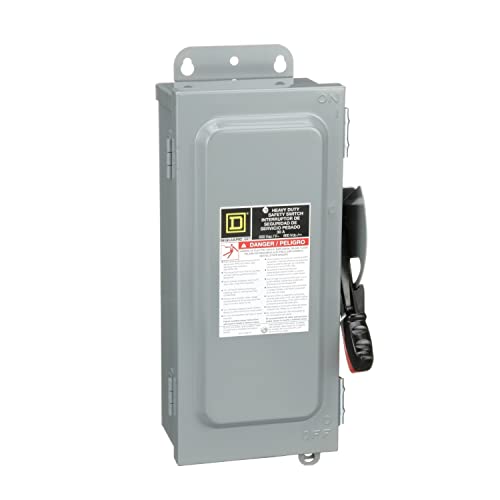
Single Throw Heavy Duty Safety Switch

Single Throw Heavy Duty Safety Switch

Complete 4-Wire Kit – Includes each of 6 AWG stranded THHN copper in black, red, and white, plus an 8 AWG green ground wire. Standard color coding makes conductor identification quick and NEC compliant.
Grounding Codes and Standards
Grounding codes and standards are fundamental to the safety and functionality of electrical systems. The National Electrical Code (NEC), particularly Article 250, details essential requirements for bonding and grounding, specifying the installation of grounding electrodes and conductors. Compliance with these codes is critical, as they guarantee grounding systems minimize electrical hazards by limiting overvoltages and stabilizing operating voltages during both normal and fault conditions. Effective performance depends on factors such as soil characteristics and conductor materials, which must be considered during the installation process. Non-compliance can lead to serious safety risks, including equipment damage and liability issues for builders. Understanding and adhering to these guidelines fosters a safer environment for both electrical systems and their users. Additionally, products with high surge protection ratings can further enhance safety by safeguarding against electrical surges.
The Need to Ground
A well-implemented grounding system is crucial for the safety and reliability of any electrical installation. Grounding provides a safe electrical path for fault currents to flow into the earth, greatly reducing the risk of shocks. A properly designed ground system also protects structures and equipment from electrical faults, including lightning strikes, by stabilizing voltage to earth. Maintaining low earth resistance is critical; high resistance can lead to equipment failures and hazards. Grounding systems, often including bonding jumpers, help limit voltage drops and reduce electronic noise, which enhances the performance of electrical devices. Compliance with grounding codes is necessary; improper grounding can result in serious safety issues, including shock or fire hazards, making grounding a crucial aspect of any protection system. Additionally, understanding the importance of surge protectors can further enhance safety by preventing damage from voltage spikes.
Importance of Good Grounding
While electrical systems can function effectively, the importance of good grounding cannot be overstated. Good grounding minimizes ground resistance and provides a low-impedance path for fault currents, thereby enhancing personnel safety by reducing the risk of electrical shock and equipment damage. Effective grounding dissipates lightning energy into the earth, protecting structures from electrical surges. Additionally, proper grounding techniques consider variables like soil resistivity and moisture, ensuring that service equipment performs reliably under various conditions. This system promotes equipotential bonding, reducing voltage differences during surges. Adhering to established grounding codes is essential for compliance and safety; improper grounding may compromise the function of overcurrent protective devices, increasing the risk of electrical hazards considerably. Furthermore, implementing safety features in electrical systems can significantly enhance user protection and operational reliability.
Polycase’s Enclosures for Electronic Device Design
Polycase’s enclosures provide essential solutions for electronic device design, integrating functionality with durability. These enclosures are equipped with built-in metal grounding studs, which facilitate easy connections to a grounding conductor, ensuring effective grounding during power distribution. The SA Series stainless steel enclosures comply with NEMA 4X standards, offering protection against dust, water, and corrosion while preserving reliable grounding capabilities. In contrast, the AN Series diecast aluminum enclosures meet NEMA 6P standards, making them ideal for rugged applications. Additionally, the extruded anodized aluminum EX Series enclosures feature pre-molded PCB circuit board slots, enhancing both grounding efficiency and assembly ease. Overall, Polycase enclosures promote best practices in grounding and bonding, ensuring safety and compliance with industry regulations.
Recommended Products

J Series Outdoor Water Fountains: The Kasco J Series floating pond fountain kit is the perfect focal point for any pond or lake. These recently redesigned fountain kits feature increased performance and improved pattern definition for a stunning display. This decorative lake aerator comes in 120 volts, 1HP, with a 50 ft power cord.

Provides unmatched protection for housing electrical components in highly corrosive environments

Load cells: 8; 350 Ohm Load Cells or 16; 700 Ohm Load Cells
Resources for Grounding and Bonding Knowledge
Understanding the nuances of grounding and bonding is essential for both safety and effectiveness in electrical installations. Various resources exist to enhance knowledge in these areas, particularly IEEE standards. For instance, IEEE Std 142 offers guidelines for industrial grounding practices, ensuring compliance and improving safety. Engaging with professional organizations can further provide updates on best practices and evolving standards. Additionally, companies like Polycase offer high-performance enclosures that support effective grounding and bonding, featuring built-in metal studs for secure connections. Ongoing education remains crucial, as it fosters understanding of new technologies and their implications for grounding and bonding safety. Staying informed not only promotes adherence to standards but also helps prevent potential hazards in electrical systems.
Frequently Asked Questions
What Are the Fundamentals of Grounding and Bonding?
Grounding techniques guarantee low-resistance paths for electrical current, while bonding methods equalize potential among metallic components. Together, they enhance electrical safety, improve system reliability, and provide equipment protection during faults or surges, preventing hazards.
What Is an NEC Requirement for Grounding and Bonding?
Like a safety net for a tightrope walker, NEC codes dictate grounding techniques and bonding procedures to guarantee electrical systems adhere to safety standards, minimizing risks associated with overvoltages and electrical shock. Compliance is essential.
What Needs to Be Grounded in a Power Distribution System and Why?
In a power distribution system, essential grounding components like metallic enclosures and equipment frames must be grounded. The importance of grounding includes enhanced safety, while grounding system maintenance and techniques comparison reveals the detrimental effects of poor grounding.
What Are the 5 Steps of Grounding?
The five steps of grounding encompass establishing low-resistance paths, connecting systems through bonding methods, ensuring reliable connections, maintaining compliance with installation practices, and regularly testing for electrical safety and system reliability, creating a harmonious electrical environment.


