As an Amazon Associate, we earn from qualifying purchases. Some links on this site are affiliate links at no extra cost to you. Our recommendations are based on thorough research and editorial judgment.


Motion Flood Lights: Best Practices to Reduce Nuisance Trips

To reduce nuisance trips with motion flood lights, install them at a height of 8–12 feet for ideal coverage. Aim sensors to detect movement from 30–70 feet while avoiding busy areas. Adjust the sensitivity settings to medium, balancing human detection with minimizing false triggers. Implement shields to block unwanted detection zones, and clean the sensors regularly to prevent dirt accumulation. These practices enhance performance, ensuring effective security lighting. Explore additional tips to maximize the benefits of these essential fixtures.
Key Takeaways
- Install motion sensors 8–12 feet high to optimize coverage and minimize false activations from pets and environmental factors.
- Adjust sensitivity settings to medium to balance human detection while preventing unnecessary false alarms from small animals or fleeting movements.
- Position lights away from busy pedestrian areas to avoid frequent triggering by passersby or vehicular traffic.
- Aim sensors to illuminate key entry points, avoiding obstructions like trees or shrubs that could cause false trips.
- Regularly clean and maintain sensors to prevent dirt buildup that can lead to erroneous activations and check wiring for optimal functionality.
Understanding Motion Flood Lights
You may be interested


Motion flood lights serve as an essential tool for enhancing outdoor security, providing illumination only when movement is detected. These lights use advanced sensor technologies such as Passive Infrared (PIR) sensors, which identify the thermal signatures of moving objects. Proper placement is critical; installing motion lights 8–12 feet high optimizes coverage while minimizing false activations caused by nearby vegetation or heat sources. Users can adjust sensitivity settings to fine-tune the detection range, effectively reducing nuisance trips from small animals or environmental factors. With smart integration options available, homeowners can control their motion flood lights remotely or schedule them, allowing for customized security lighting that also helps in managing energy consumption. Additionally, incorporating features like surge protection can enhance the reliability of motion flood lights against electrical surges.
Benefits of Motion Flood Lights

The benefits of using flood lights equipped with motion sensors extend well beyond mere convenience. Motion flood lights enhance security by activating when movement is detected, effectively startling intruders and decreasing burglary risks. By only illuminating when necessary, these lights can reduce energy consumption by 80–95% compared to conventional systems that remain constantly on. In addition, the instant light provided by motion detection improves safety, illuminating pathways and outdoor areas to prevent accidents at night. Advanced technologies, including dual sensors, enhance performance, while adjustable sensitivity settings help minimize false triggers from pets or wildlife. These attributes combine to deliver efficient security systems that provide reliable functionality tailored to individual needs, ensuring both safety and convenience in residential properties. Moreover, using outdoor surge protectors can further safeguard your motion flood lights from electrical surges, enhancing their longevity and performance.
Common Causes of Nuisance Trips

Common causes of nuisance trips in flood lights can significantly impact their effectiveness and user experience. One major source is moving branches and foliage, which can trigger motion sensors during windy conditions. Animals, particularly pets, may also activate these sensors, leading to false alarms if sensitivity adjustments are not made or appropriate pet-friendly sensors are not used. Improper sensor placement, such as directing them toward high-traffic areas like sidewalks, increases the chance of nuisance trips. Additionally, heat sources like exhaust vents can emit thermal energy, mistakenly registering as movement. Implementing features such as time delays or sensitivity adjustments can help the system detect movement more accurately and reduce unnecessary light activations in the outdoor environment. Furthermore, using devices with overload protection can enhance safety and prevent equipment damage caused by unexpected power fluctuations.
Recommended Products

The information below is per-pack only MOTION ACTIVATED: motion activated from all angles up to 60 feet, or 18 meters, with 110° detection zone, your house will never be so...
Optimal Placement Strategies

Effective placement of flood lights is essential for maximizing their security benefits and minimizing false activations. Position Outdoor Motion Sensors 8–12 feet high to achieve ideal coverage while minimizing false triggers from ground disturbances. Direct the sensors to cover a detection range of 30–70 feet, avoiding areas prone to frequent movement, like trees or sidewalks. The installation of multiple lights with overlapping views eliminates dark corners, enhancing security throughout the property. Utilizing masking or shields on sensors can also block unwanted detection zones, further reducing nuisance activations. This strategy not only enhances security but also contributes to energy conservation, ensuring that the lights operate efficiently while effectively detecting movement in targeted areas. Additionally, selecting lights with high-capacity power banks can improve the reliability of your outdoor lighting system.
Recommended Products

DESIGN - ASD LED security camera outdoor wired with a motion sensor is a great way to keep your home safe at night. Side-to-side (150°) and up-and-down (180°) square rotatable light heads allow you to direct light where it is needed. It is designed to operate on 120V circuits

HIGH BRIGHTNESS SOLAR STREET LIGHT – Experience superior illumination with this commercial solar street light. Equipped with high-efficiency LEDs, it serves as a powerful solar powered street light that delivers intense brightness, perfect for acting as large solar street lights outdoor waterproof solutions for expansive areas.

【High-power LED】:This solar lights outdoor features 144 ultra-bright 5054 high-power LED beads, equipped with convex lenses that focus the light for greater distance.Provide lighting up to 3800sq.ft. It delivers high brightness while consuming less power,making the solar street light more energy-efficient, longer-lasting, and safer to use
Adjusting Sensitivity Settings

How can one optimize the effectiveness of motion flood lights while minimizing unnecessary activations? Adjusting sensitivity settings on these lights can markedly reduce nuisance trips caused by passing animals or moving branches. Most motion flood lights come with adjustable sensitivity levels; a medium setting strikes a balance between detecting human visitors and preventing unnecessary triggers. Additionally, fine-tuning the detection range helps prevent false alarms by ensuring the sensor responds only within the desired perimeter. Many models include features like a time delay before lights turn off, ensuring they remain lit long enough for valid activity. Regularly reviewing and adapting these settings according to seasonal changes or landscaping adjustments further enhances the lights’ ability to detect genuine motion with minimal disruptions. Furthermore, utilizing surge protectors with high joule ratings can safeguard your motion flood lights from electrical surges that may cause malfunction.
Recommended Products

Powerful protection for any property — 1080p HD security camera for your home or business with motion-activated LED floodlights, 105dB security siren.
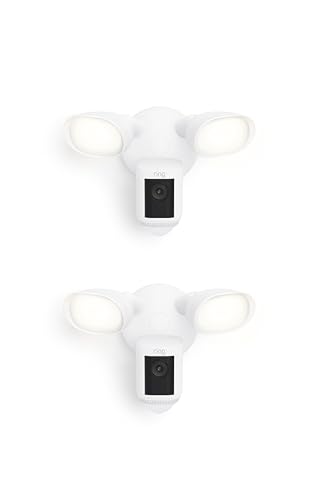
Get pro-level security — Security camera with Retinal 2K video, motion-activated LED floodlights, Two-Way Talk and Audio+, 3D Motion Detection, and a built-in 110 dB security siren.

Motion Activated Security Lighting: 180° motion detection automatically illuminates outdoor areas when movement is detected, helping improve security around garages, driveways, patios and building entrances
Selecting the Right Detection Range
Selecting the right detection range for motion flood lights is essential for achieving ideal performance while minimizing false triggers. The best detection range usually lies between 30 to 70 feet, depending on the coverage area. To effectively reduce false alerts, adjust the range to activate the light only when movement occurs within the designated area. Many motion sensors come with adjustable settings, allowing customization based on specific needs, which significantly decreases nuisance trips caused by small animals or passing vehicles. Additionally, positioning sensors at optimal heights, typically 8 to 12 feet, and angling them properly can enhance detection accuracy. Ensuring the detection range is not set too wide also promotes energy efficiency by limiting unnecessary activations of the flood lights. Choosing a battery type compatibility is crucial, as different batteries can impact the performance of motion flood lights.
Recommended Products
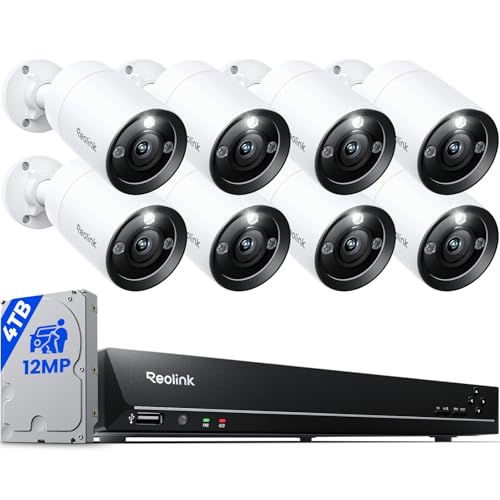
INCREDIBLE 12MP UHD IMAGE -- Mind-blowing 12MP PoE home security camera system becomes affordable for your home and business security. Subtle details are recorded to ensure your peace of mind.

This product includes three Spotlight Cam Plus, Plug-In.

IP67 Waterproof Spotlight - Our DLC certified bullet spot lights are built with weatherproof aluminum housing and a shatter resistant lens that endure harsh conditions, making them perfect for year round walkway spotlights and garden lighting
Implementing Time-On Delays
The implementation of time-on delays in motion flood lights enhances user control and efficiency in lighting management. By setting these delays to remain activated for periods of 30 seconds to 2 minutes, homeowners can effectively reduce nuisance trips. This feature minimizes false activations caused by small animals or environmental movement, ultimately conserving energy and prolonging bulb life. Many modern motion sensor lights include customizable features, allowing users to adjust settings according to specific high-traffic areas, striking a balance between security and convenience. Additionally, time-on delays can help prevent light pollution by limiting illumination duration in residential neighborhoods, hence supporting adherence to local regulations and enhancing overall environmental compatibility. This thoughtful approach to lighting contributes positively to a community’s aesthetic. Furthermore, utilizing a surge protector can greatly enhance the reliability of these lights by safeguarding them against power fluctuations, ensuring consistent operational performance.
Utilizing Directional Sensors
Integrating directional sensors into motion flood lights greatly enhances the efficiency and effectiveness of outdoor lighting systems. These sensors are designed to detect movement within specific areas, considerably reducing false triggers from nearby objects, such as trees or animals. By adjusting the angle of directional sensors, homeowners can target desired coverage areas, guaranteeing effective illumination while limiting unnecessary activations. Many modern flood lights feature adjustable detection ranges, allowing sensors to engage only at close distances, which further minimizes disturbances. Utilizing shields can refine detection angles, offering tailored sensitivity to avoid unwanted activations from pets or vehicles. Additionally, combining a time-on delay feature with directional sensors guarantees prolonged illumination after activation, enhancing safety without causing frequent disruptions. This approach mirrors the concept of UL certification by ensuring that devices operate reliably and safely within their intended parameters.
Avoiding Common Placement Mistakes
Avoiding common placement mistakes plays an essential role in maximizing the effectiveness of motion flood lights. Proper installation height is vital; lights should be mounted 8–12 feet high to optimize coverage and avoid false triggers from small animals. Additionally, sensors must be positioned away from heat sources, such as air conditioning units, to prevent inadvertent activations. It is imperative to avoid placing lights near busy pedestrian areas where constant motion could lead to excessive activation. Aim lights to cover critical entry points while ensuring trees or fences do not obstruct the detection field. Finally, utilizing adjustable sensitivity settings allows users to fine-tune the activation range, enhancing security and efficiency in outdoor lighting setups while minimizing nuisance trips. Choosing models with motion detection capabilities can further improve the effectiveness of your lighting solutions.
Maintenance Tips for Motion Flood Lights
Proper maintenance of motion flood lights is essential for guaranteeing their ideal performance and longevity. Homeowners should regularly clean the motion sensors to prevent dirt and debris from obstructing their functionality, which helps to reduce false activations. It is also advisable to adjust sensitivity settings to match environmental conditions, thereby minimizing nuisance trips caused by wind or animals. Employing the right installation height between 8–12 feet enhances lighting performance, while careful positioning can avoid unnecessary triggers from nearby movement. Utilizing time delay settings, which can range from 30 seconds to 2 minutes, reduces the likelihood of false triggers. Conducting periodic checks on wiring and connections guarantees the system remains operational, and replacing burnt bulbs promptly maintains peak lighting performance. Additionally, understanding the surge protection ratings of nearby electronics can help ensure that your devices remain safe from power surges that may coincide with motion flood light activations.
Upgrading to Smart Motion Flood Lights
Upgrading to smart motion flood lights enhances both convenience and performance in home security systems. These innovative lights offer customizable sensitivity settings, effectively reducing nuisance trips caused by small animals or moving foliage. Many smart models integrate seamlessly with home automation systems, allowing users the flexibility to adjust settings remotely and schedule operational times. By sending notifications to users’ smartphones upon detecting motion, these lights guarantee real-time security awareness. Additionally, advanced sensing technology considerably decreases false alarms, enhancing overall reliability. They often feature energy-saving modes, which activate only when necessary, thereby conserving power and minimizing unnecessary operation. This combination of features makes smart motion flood lights a practical investment for any homeowner focused on optimizing security and efficiency.
Recommended Products
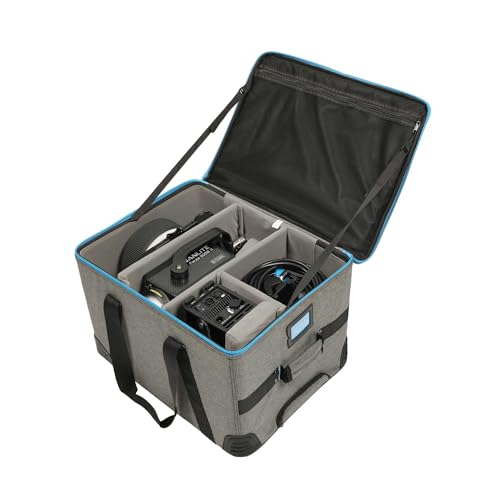
SUPERIOR BRIGHTNESS - The NanLite Forza 500B II delivers an impressive output, reaching over 200000 Lux at 1m (Spot), ensuring your subject is brilliantly illuminated for exceptional detail and clarity.

(1). [ Enhanced AI Alerts for Precision ] __ Benefit from advanced AI detection capabilities, covering face, people, vehicle, sound, pet, and package detection, effectively minimizing false alarms. Tailor the camera's motion detection to specific areas, ensuring you receive notifications that matter most. Additionally, the camera triggers a sound and light alarm upon motion detection, instantly sending email and push notifications to your mobile device.

Designed and Engineered in the U.S.A.: At Night Owl, all products are safely designed and engineered in the United States. We are proudly compliant with Section 889 of the National Defense Authorization Act (NDAA) which helps ensure our country’s safety and yours.
Frequently Asked Questions
Will Motion Lights Deter Thieves?
Motion lights effectiveness considerably enhances outdoor safety and property surveillance. Their security benefits include visibility enhancement, which deters theft through sudden illumination. When used with home security systems, motion detection technology strengthens theft prevention measures effectively.
How to Deal With Neighbor Flood Lights?
Over 50% of neighbors experience light disturbances. Effective communication strategies can address flood light issues through neighborhood light policies, proposing lighting adjustments, landscaping for reduction, nighttime shading solutions, and establishing mutual agreements for privacy concerns resolution and alternative lighting options.
What Are the Disadvantages of Motion Sensor Lights?
Motion sensor lights present disadvantages, including increased energy use from phantom draw, unexpected activations due to sensitivity adjustments, a false sense of security stemming from limited range, installation challenges, environmental impact, and potential malfunctions compromising reliability.
What Happens if You Put Tape Over a Motion Sensor?
Covering a motion sensor with tape dramatically halts motion detection, hindering sensor adjustment and light sensitivity. This tape effects may exacerbate false triggers, complicate practical use, and create maintenance challenges amid unpredictable environmental factors. Security risks loom dangerously.


